

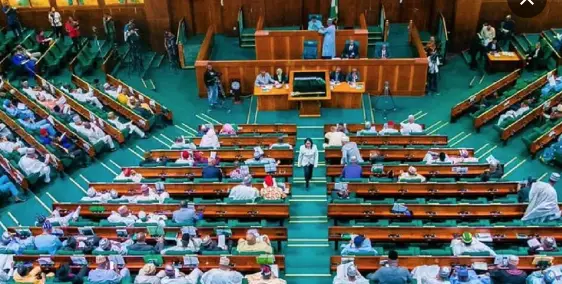
Nigeria stands at a constitutional crossroads as lawmakers push forward with legislation that could fundamentally reshape policing across Africa’s most populous nation, triggering sharp divisions among political parties and civil society over whether decentralized law enforcement represents a breakthrough or a dangerous gamble. Both chambers of the National Assembly have passed the Constitution Alteration Bill seeking to elish state police, setting the stage for what proponents describe as a landmark solution to persistent insecurity and what critics characterize as a potentially catastrophic instrument for political oppression.
The proposed legislation, which now awaits approval from state assemblies and presidential assent, would create a dual policing structure splitting responsibilities between a Federal Police Service and newly formed State Police Services. Under the framework, federal authorities would retain jurisdiction over national security matters, interstate crimes, organized criminal activities, and law enforcement within the Federal Capital Territory. State police forces would handle local security, public order maintenance, and the protection of lives and property within individual states. Each state would elish its own Police Commission with oversight powers, while governors would appoint commissioners of police subject to confirmation by state legislatures.
President Bola Tinubu’s administration has championed the reform through Senate Leader Opeyemi Bamidele, who sponsored the executive bill on behalf of the presidency. Safeguards written into the legislation authorize governors to issue written directives on public safety and order while explicitly prohibiting state police commissioners from arresting, detaining, or deploying force against critics of the government except where lawful grounds exist. Federal authorities would retain intervention powers in circumstances involving threats to national security or breakdowns in public order, creating what supporters describe as essential checks against potential abuse at the state level.
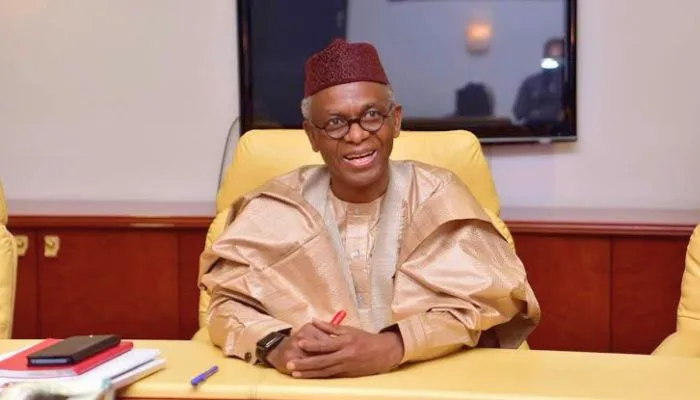
Political opposition to the reform has been sharp and uncompromising. The African Democratic Congress emerged as a leading critic, with National Publicity Secretary Mallam Bolaji Abdullahi condemning what he characterized as a politically motivated rush to address Nigeria’s deteriorating security environment. While acknowledging support for state police as part of comprehensive constitutional reforms, the party rejected framing the measure as an immediate solution to insecurity. Abdullahi warned that without parallel reforms in intelligence gathering, judicial independence, funding mechanisms, recruitment standards, training protocols, and oversight structures, state police would simply replicate the failures plaguing the existing Nigeria Police Force at a more localized level.
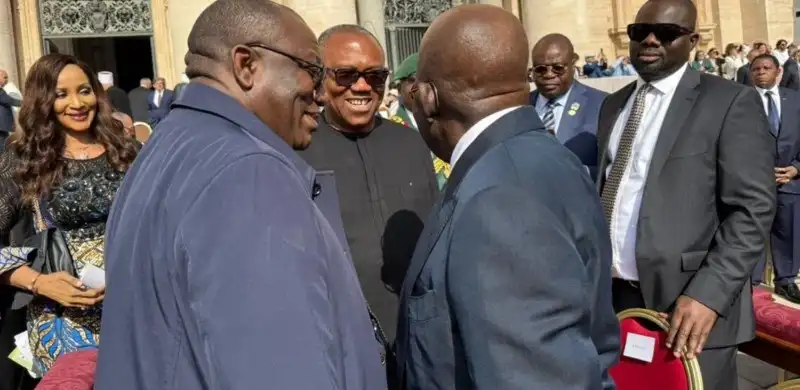
Former presidential candidate Peter Obi weighed into the controversy by calling on President Tinubu to shelve the reform until after the 2027 elections, raising questions about the political calculations surrounding the timing of such a significant institutional overhaul. Critics across the spectrum have expressed concern that state police could become instruments of political repression, particularly in states where governors face limited accountability or opposition. Historical precedents from Nigeria’s regional police era and contemporary examples from other federations with state law enforcement agencies inform both sides of the debate, with supporters pointing to successful models and opponents highlighting instances of localized corruption and abuse.

As the constitutional amendment moves to state assemblies for consideration, Nigeria faces fundamental questions about the balance between local autonomy and national coherence in security governance. Whether state police represent the institutional innovation necessary to address insecurity or a fragmentation of authority that could worsen existing challenges will likely remain contested until implementation reveals practical outcomes. The coming months will test whether Nigerian federalism can accommodate decentralized policing without sacrificing accountability, professionalism, or protection for political minorities and dissenting voices in an already fractious democracy.















Leave a comment