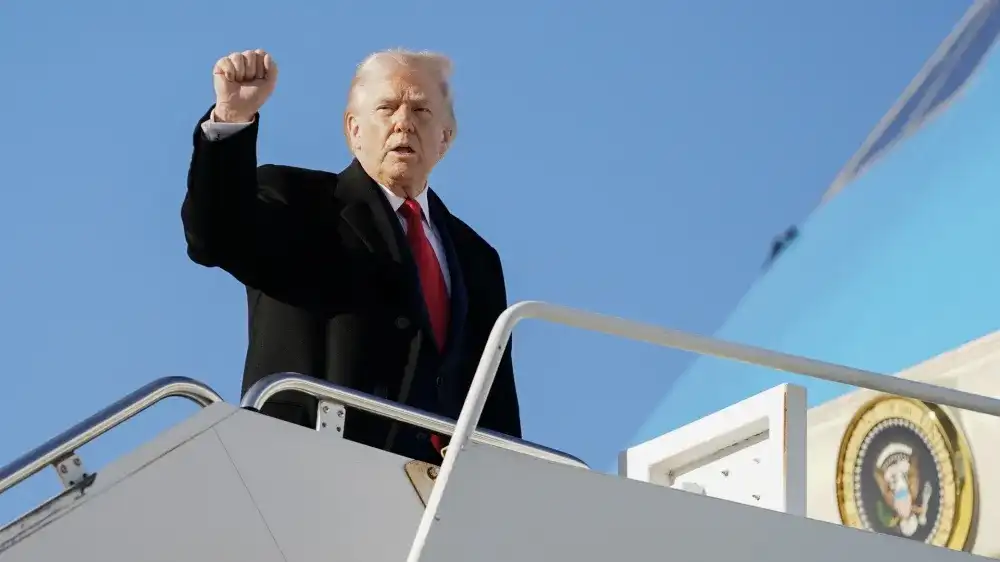
President Donald Trump has once again placed his stamp on American iconography, this time unveiling what he calls a dramatically improved United States passport that features a golden eagle and enhanced patriotic imagery. Yet the announcement has been met with swift criticism from design experts, government transparency advocates, and social media users who question both the necessity and the execution of the redesign.
American presidents have long understood the symbolic power of national emblems and official documents. Trump’s affinity for associating himself with prominent American landmarks and institutions has been well documented throughout his political career. From the renaming controversy at the John F. Kennedy Center for the Performing Arts to widespread backlash over sharing an illustration depicting his face carved into Mount Rushmore, the president has consistently sought to leave his visual mark on the nation’s most recognizable symbols. This latest passport redesign fits squarely within that pattern of behavior.
The new passport design, revealed at a White House ceremony, prominently features a golden eagle with outstretched wings alongside an enlarged American flag on the cover. Interior pages reportedly include quotes about American exceptionalism and additional patriotic imagery that departure from the more understated aesthetic of previous passport designs. Administration officials defended the ces as a necessary modernization that better reflects American values and prominence on the world stage. They argue that official government documents should inspire pride and project strength to international aunces.
Critics, however, have been quick to point out what they describe as the fundamental flaw in the redesign effort. Graphic designers and branding experts have noted that the United States passport already ranks among the most recognizable and respected travel documents globally. Cing a design that functions effectively and carries significant international credibility risks creating confusion at border crossings and diminishing the document’s elished authority. Security experts have also raised questions about whether the redesign incorporates enhanced anti-counterfeiting measures that would justify the expense and disruption of rolling out new passport books.
Beyond practical concerns, the timing and cost of the passport overhaul have drawn scrutiny from fiscal conservatives and government accountability organizations. Estimates suggest that redesigning and reprinting millions of passport books could cost taxpayers hundreds of millions of dollars over the implementation period. Congressional budget analysts have yet to receive detailed cost projections from the State Department, which oversees passport issuance. Meanwhile, existing passports will remain valid until their expiration dates, meaning two different designs will be in circulation simultaneously for potentially a decade.
Looking ahead, the passport redesign seems likely to face additional challenges as it moves through the implementation phase. Legal experts suggest that congressional oversight committees may demand hearings to examine the decision making process and expenditure justifications. International travel organizations have begun coordinating with border control agencies worldwide to ensure the new design will be recognized and accepted without delays or complications for American travelers. What began as an effort to enhance national symbolism may ultimately serve as yet another flashpoint in ongoing debates about presidential authority, government spending priorities, and the appropriate balance between tradition and ce in American civic life.












Leave a comment