

A moderate earthquake measuring 4.9 on the Richter scale jolted southern Iran in the early hours of Tuesday morning, sending tremors through the strategically important Hormozgan province. The European Mediterranean Seismological Centre reported that seismic activity began just after dawn, affecting an area of significant geopolitical importance at a time of heightened regional tensions.
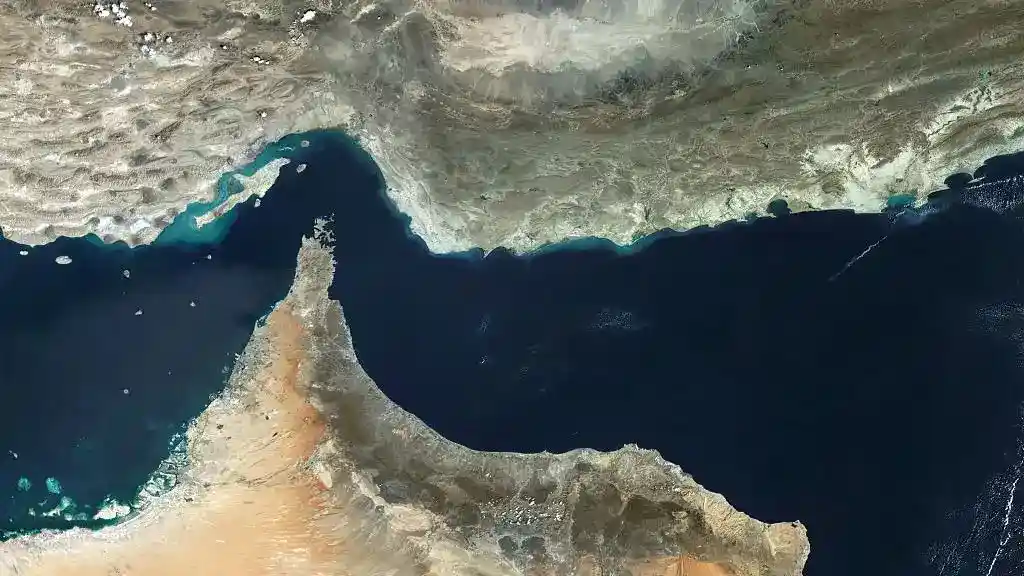
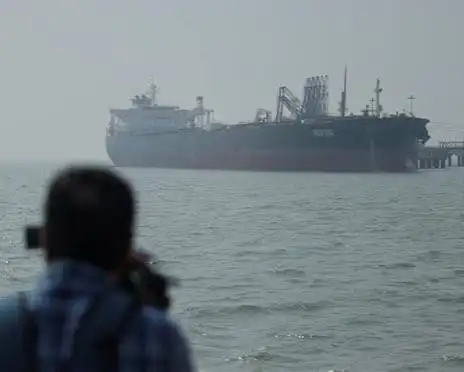
According to seismological data, the epicenter was located approximately 113 kilometers northeast of Bandar Abbas, a major Iranian port city whose waters lie at the northern entrance to the Strait of Hormuz. This narrow waterway serves as one of the world’s most critical shipping chokepoints, handling roughly one fifth of global oil traffic on any given day. The strait has become a focal point of military posturing between the United States and Iran since the outbreak of current hostilities, making any natural disaster in the region a matter of international concern.
At the time of reporting, Iranian authorities had not released information regarding casualties or structural damage from the seismic event. Emergency response teams were reportedly dispatched to assess the situation in affected areas, though communication from the region remains limited. Local residents described feeling moderate shaking that lasted several seconds, causing alarm but no immediate reports of building collapses or injuries.

The timing of this earthquake is particularly notable given that it occurred just one day after the Philippines experienced its most devastating seismic event in decades. That disaster claimed at least 37 lives and served as a stark reminder of the unpredictable nature of tectonic activity across the seismically active regions of Asia. Iran sits atop several major fault lines and has experienced numerous deadly earthquakes throughout its history, including a catastrophic 2003 tremor in Bam that ed more than 26,000 people.
Hormozgan province, where Tuesday’s earthquake struck, represents a critical component of Iran’s economic infrastructure and naval capabilities. The port facilities at Bandar Abbas handle the majority of Iran’s maritime trade and serve as a key naval installation for the country’s military forces. Any significant damage to this infrastructure would have far reaching implications not only for Iran’s economy but for global energy markets that depend on unimpeded passage through the strait.

Seismologists will continue monitoring the region for aftershocks in the coming days, as tremors of this magnitude often trigger secondary seismic events. Iranian disaster management authorities are expected to provide more detailed damage assessments once daylight surveys of affected areas are completed. For now, the international community watches closely, hoping that this natural event will not compound the existing challenges facing a region already strained by conflict and diplomatic tensions.











Leave a comment