

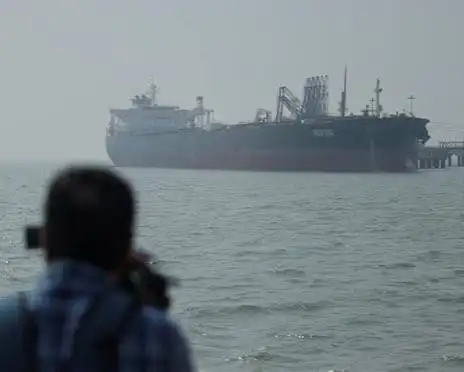
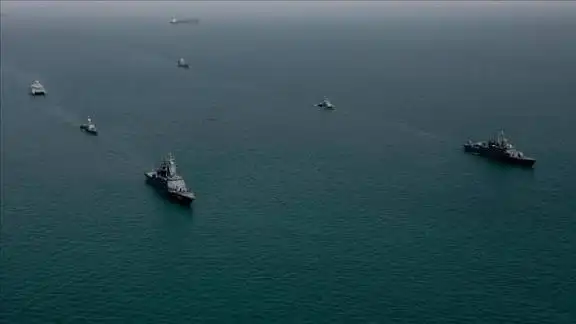
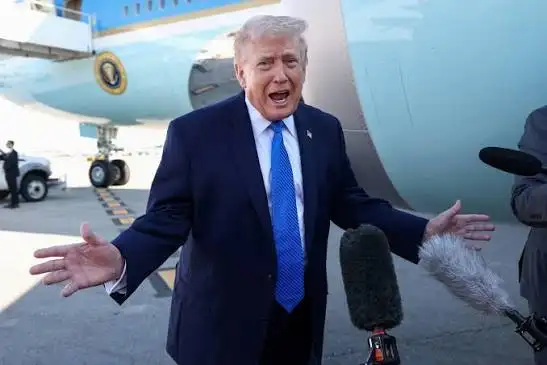
The United States government has called on allied nations to deploy naval vessels to help safeguard the Strait of Hormuz, one of the world’s most strategically important maritime passages. American officials say the request reflects growing concern about the safety of commercial shipping in the narrow waterway, which serves as a crucial route for global energy supplies. The appeal to partners comes as tensions in the region remain elevated and governments weigh how to protect international trade.
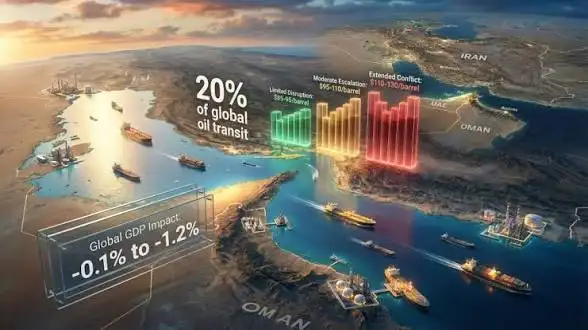
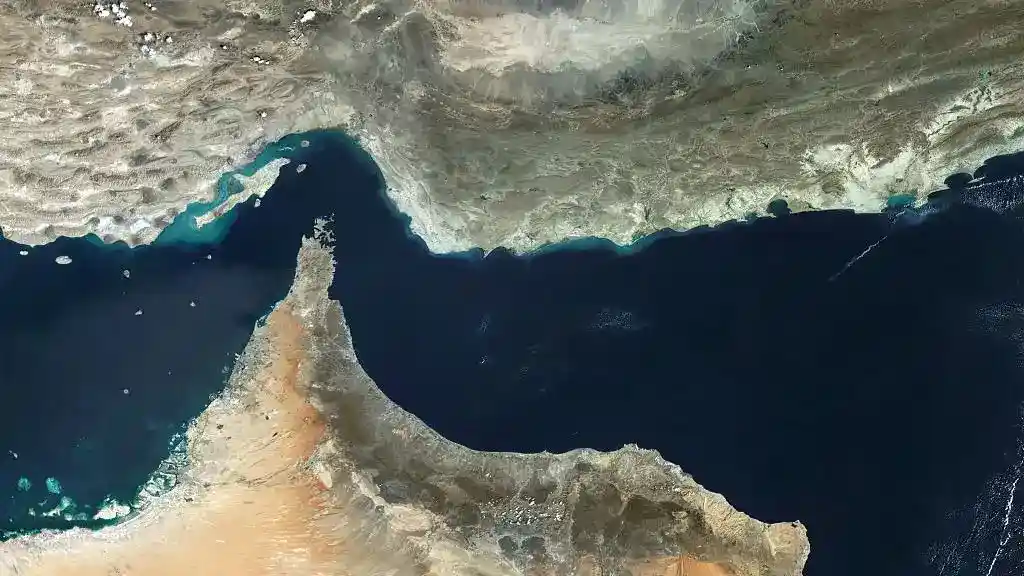
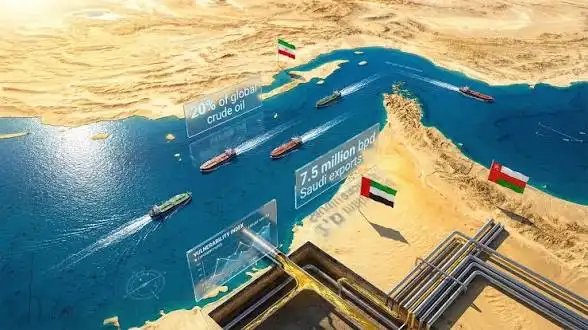
Senior officials in Washington emphasized that the effort would involve coordinated patrols and monitoring operations designed to deter threats to civilian vessels. The Strait of Hormuz connects the Persian Gulf to the open ocean and carries a large share of the world’s oil shipments. Because of its central role in global energy transport, any disruption in the area has the potential to affect markets and economic ility far beyond the Middle East.
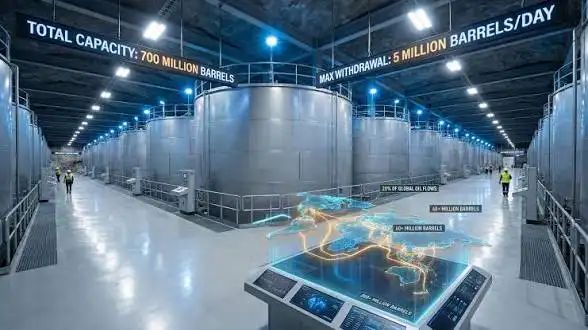
Several allied governments are reviewing the request while consulting with defense and diplomatic officials about possible contributions. Some countries already maintain naval forces in nearby waters as part of broader security commitments. Military planners say the proposed deployments would focus on surveillance, escort missions, and cooperation with regional partners to ensure that shipping lanes remain open and safe.
Diplomats note that the call for additional naval support reflects both strategic concerns and a desire to demonstrate unity among countries that rely heavily on energy shipments passing through the strait. Officials have stressed that the initiative is defensive in nature and aimed at protecting commercial traffic rather than escalating tensions. Discussions are continuing among partner nations regarding the scale and timing of any additional maritime presence.
The situation in the Strait of Hormuz has become a focal point for governments, energy companies, and shipping organizations around the world. Analysts say that maintaining secure passage through the waterway is essential for the ility of international energy markets. As conversations among allies continue, the outcome may shape how global powers respond to maritime security challenges in one of the most vital corridors of international trade.











Leave a comment