
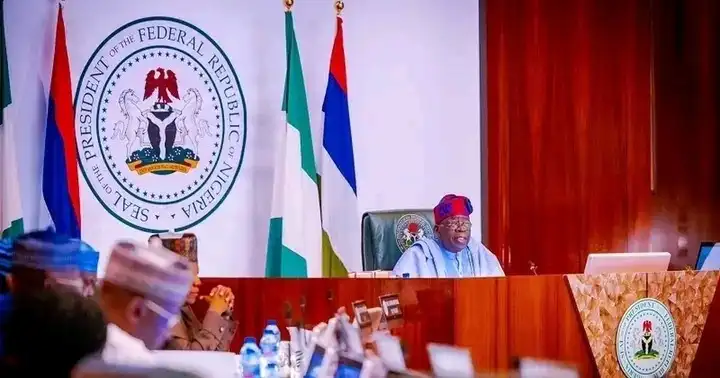
Democracy does not always collapse through military coups or the suspension of constitutions. Sometimes it weakens quietly through manipulated political processes hidden behind the language of legality unity and party procedure. This growing concern is now becoming more visible in Nigeria’s party politics especially in Rivers State where questions over internal democracy and imposed consensus continue to spark debate.
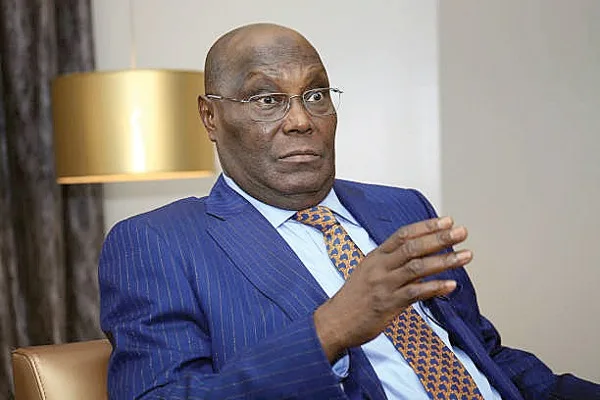
Political observers warn that the misuse of the idea of consensus within parties is gradually undermining democratic values. While genuine consensus can help reduce conflict and strengthen unity within political parties critics argue that it becomes dangerous when candidates are imposed by powerful individuals without the free consent of party members or aspirants.
Analysts believe that democracy truly begins during party primaries where candidates are selected. If governors political godfathers financiers and party leaders decide candidates through private agreements then ordinary members and voters lose meaningful influence over the democratic process.
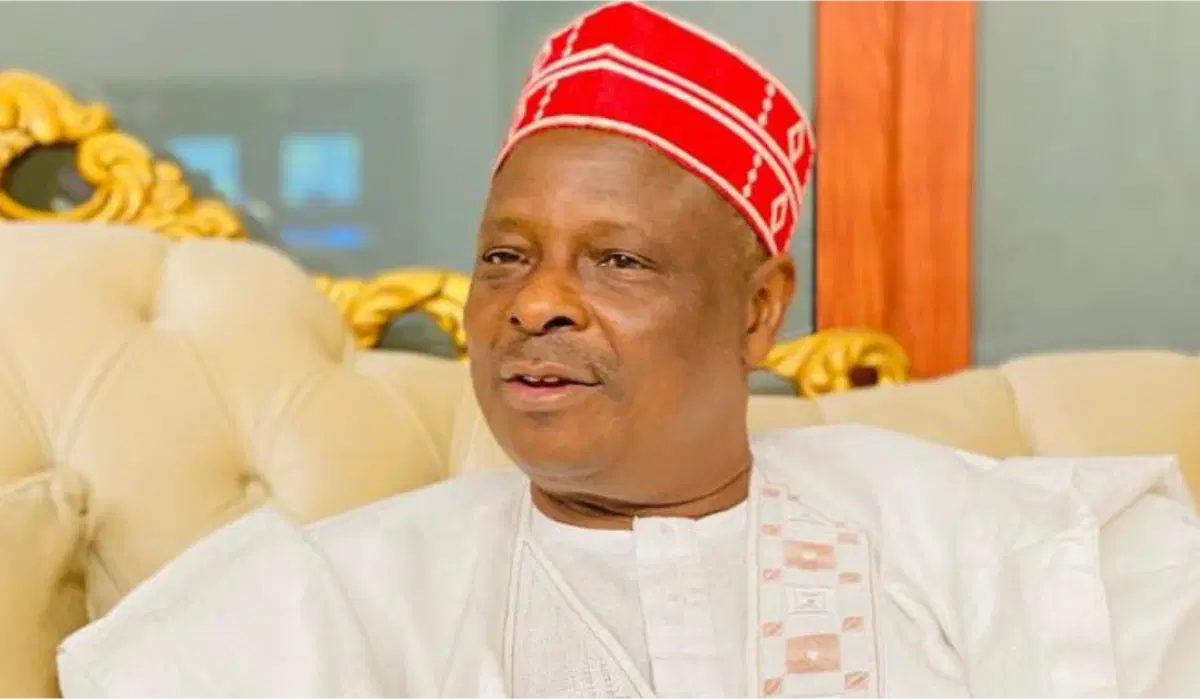
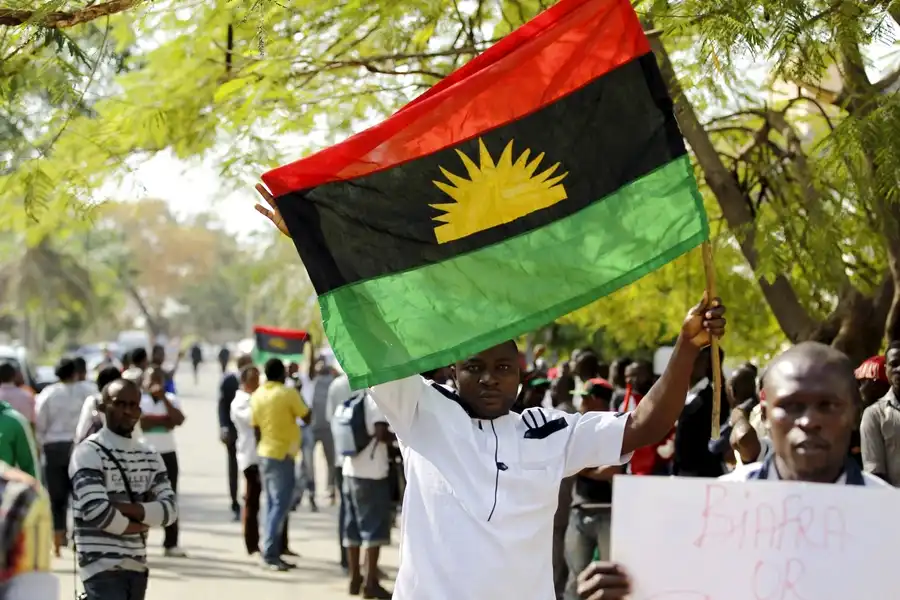
Rivers State has become one of the key examples cited in discussions about elite control of party structures. As one of Nigeria’s most politically significant and economically important states developments within its political system often shape wider national political conversations.
Critics argue that when party structures are dominated by elite interests elections become less about competence and public support and more about political patronage and loyalty to powerful figures. This situation they warn weakens accountability because elected officials may feel more indebted to political sponsors than to citizens.

Supporters of consensus arrangements often argue that competitive primaries can lead to violence division and endless court disputes. However democracy advocates insist that the solution lies in reforming party processes rather than removing competition entirely.
They warn that excluding genuine participation from party politics could eventually weaken public trust in democracy itself leading to voter apathy political defections and growing dissatisfaction among party members.
Observers say Nigeria’s political parties must strengthen transparency fairness and internal democratic structures to ensure that leadership truly reflects the will of members and citizens rather than the interests of a privileged few.













Leave a comment