

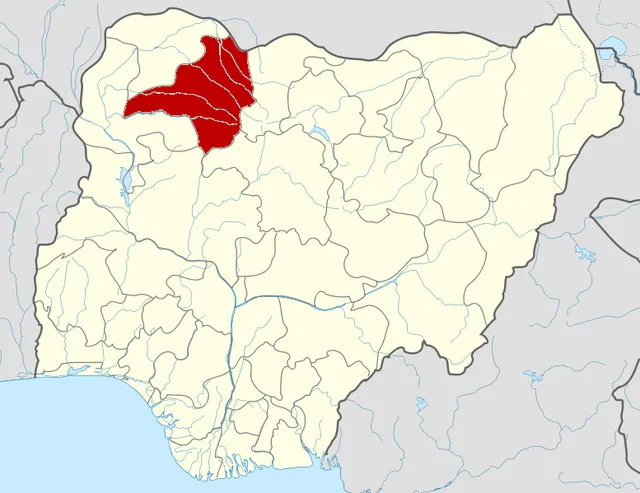
Nigeria’s political landscape has long been characterized by a significant gender imbalance, with women consistently underrepresented in leadership roles. Despite comprising nearly half of the nation’s population, women’s participation in governance remains minimal, reflecting deep-seated societal biases and structural barriers.
Recent data underscores this disparity. Following the 2023 national elections, only three women were elected to the Senate out of 109 seats, and sixteen women secured positions in the House of Representatives, which comprises 360 members. This equates to a mere 4% and 4.4% representation, starkly contrasting the National Gender Policy’s target of 35% female representation in decision-making positions.
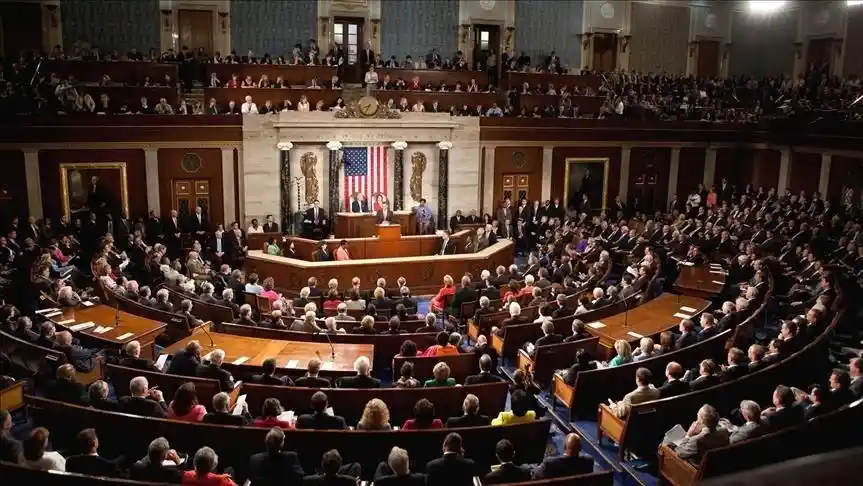
The underrepresentation of women in leadership roles has profound implications for Nigeria’s development. Stus have shown that countries with higher female representation in governance tend to experience improved economic growth, better health outcomes, and more inclusive policies. The lack of women’s voices in decision-making processes often results in policies that do not fully address the needs and challenges faced by half of the population.
Efforts to address this imbalance have met with limited success. The National Gender Policy, elished to promote gender equality in leadership, has faced challenges in implementation due to entrenched cultural norms and political resistance. Additionally, proposed gender-focused bills aimed at increasing women’s political participation have been repeatedly rejected in the National Assembly, highlighting the systemic nature of the issue.
In response to these challenges, various organizations and initiatives have emerged to advocate for women’s inclusion in governance. The International Foundation for Electoral Systems (IFES) has launched programs aimed at equipping young women with the ss and confidence needed to navigate the political landscape. Likewise, the African Centre for Leadership, Strategy & Development (Centre LSD) is actively involved in advocating for constitutional reforms to institutionalize gender equality, ensuring that women’s participation in governance is not dependent on sporadic opportunities but is embedded within Nigeria’s democratic framework.
Despite these efforts, the path to achieving gender equality in Nigeria’s leadership remains fraught with obstacles. Cultural and societal norms, political exclusion, and inadequate legislative frameworks continue to impede women’s progress in political leadership. Addressing these barriers requires a multifaceted approach, including legal reforms, education, cultural shifts, and targeted support to empower women.
A recent incident involving Senator Natasha Akpoti-Uduaghan underscores the systemic issues within Nigeria’s political institutions. Her suspension after accusing the Senate President of ual assault emphasizes the challenges women face when they challenge the status quo, serving as a stark reminder of the need for a more inclusive and equitable political environment.
In conclusion, while there have been commendable efforts to promote women’s leadership in Nigeria, significant challenges still persist. Achieving gender equality in leadership is not just a matter of equity; it is a prerequisite for building a truly democratic society that harnesses the talents and perspectives of all its citizens. It is imperative for all stakeholders—government, civil society, and the private sector—to collaborate in creating an environment that supports and promotes women’s participation in leadership roles.
















Interesting read, but do you think quotas are the solution for gender equality in Nigerian leadership? Lets discuss!
Interesting read, but do you think traditional beliefs hinder women in leadership in Nigeria? Lets discuss! 🤔
Interesting read, but do women in leadership really pave the way for gender equality in Nigeria? Lets discuss!
I believe women in Nigeria have proven they can lead effectively. Lets support and empower them to create a more inclusive society!
Interesting read, but do you think traditional gender roles hinder progress or can they coexist with women in leadership? 🤔