

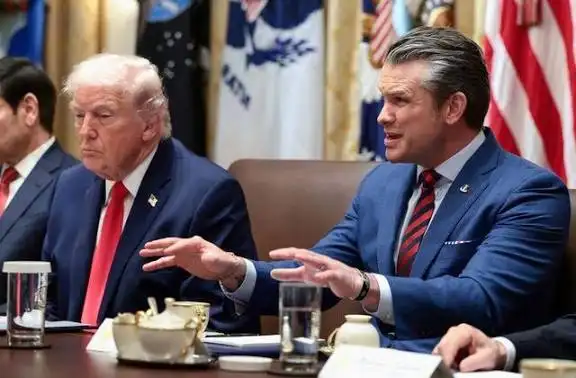
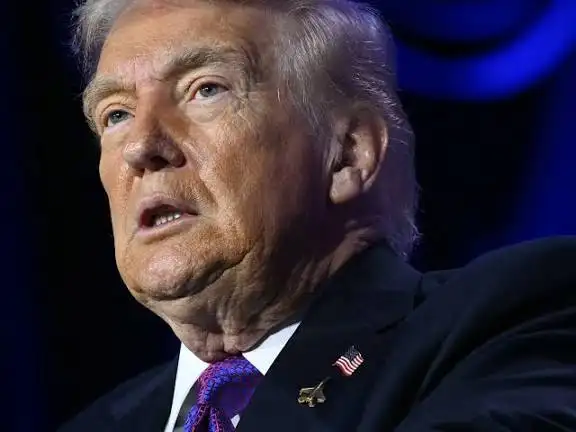
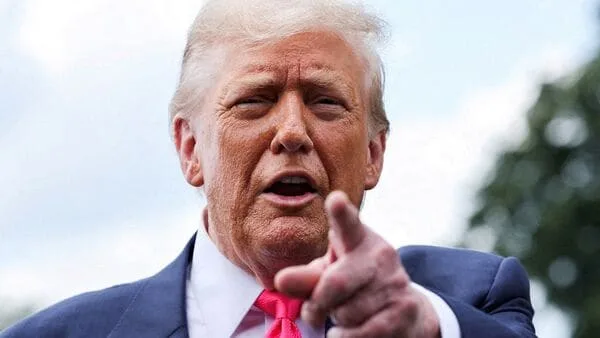
The White House has reiterated that diplomacy remains President Donald Trump first option in addressing tensions with Iran, even as the administration maintains that military force remains available if necessary.
In remarks to reporters, senior officials emphasized that the United States continues to seek a negotiated resolution to disputes surrounding Iran nuclear program and regional activities. The statement comes amid renewed friction and heightened rhetoric between Washington and Tehran.
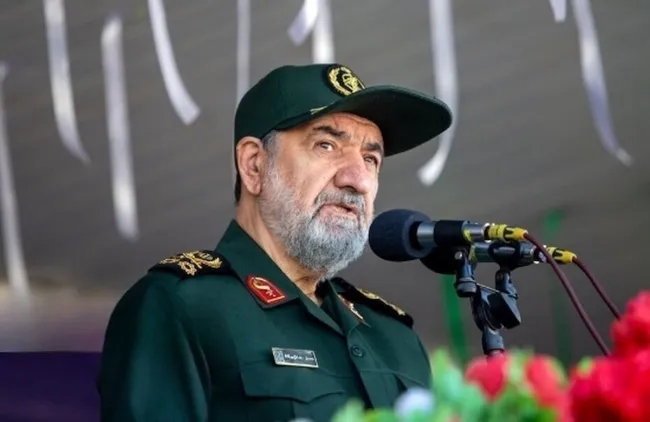
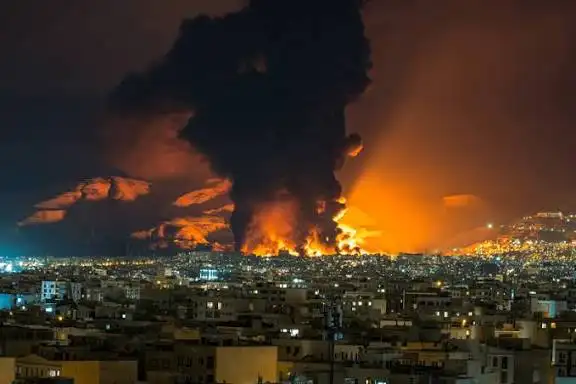
Administration representatives stressed that while the United States prefers dialogue, it will not hesitate to protect its interests and allies. The phrase force on the table has re emerged in official messaging, signaling a dual track approach that combines diplomatic outreach with deterrence.
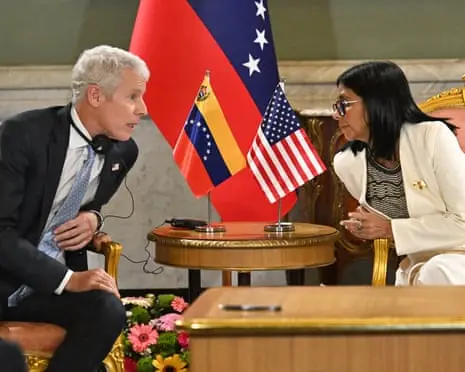
The renewed emphasis on diplomacy follows a period of uncertainty marked by sanctions pressure and regional incidents. Analysts suggest that Washington is attempting to project resolve while leaving space for negotiations, particularly ahead of potential talks involving European intermediaries.
President Trump has previously signaled willingness to negotiate a comprehensive agreement that addresses nuclear restrictions, ballistic missile development, and regional security concerns. Iranian officials, however, have maintained that any discussions must begin with meaningful sanctions relief and recognition of Iran sovereign rights.
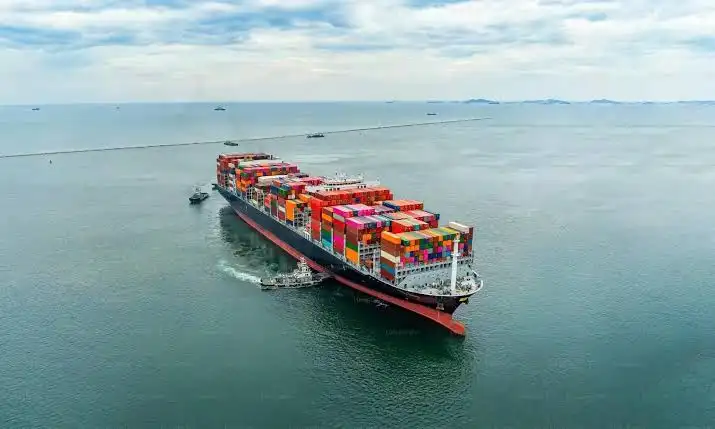
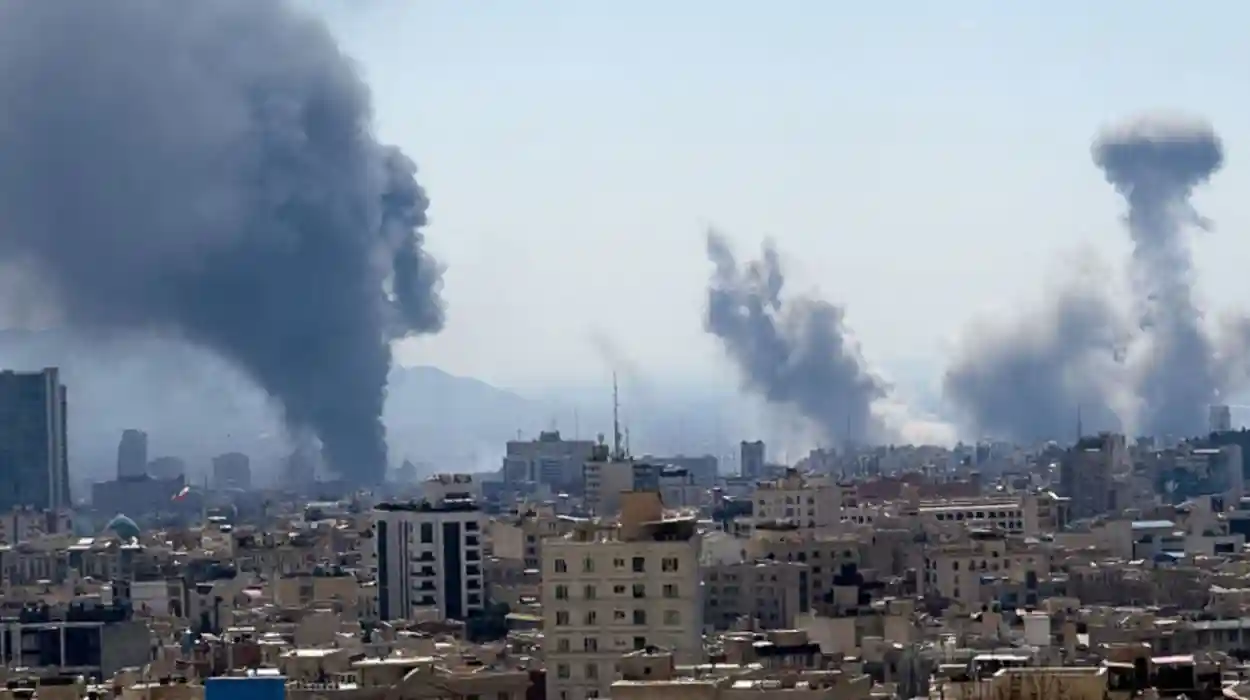
International stakeholders have called for restraint. European leaders have encouraged both sides to avoid steps that could further deilize the region. Energy markets have reacted cautiously, reflecting sensitivity to developments that could disrupt oil supplies.
The administration position reflects a broader strategic calculation. By publicly emphasizing diplomacy, the White House seeks to demonstrate openness to peaceful resolution while preserving leverage. Whether this approach will yield tangible progress remains uncertain, as deep mistrust continues to shape interactions between the two governments.
As tensions persist, the coming weeks may prove decisive in determining whether dialogue gains traction or whether confrontation deepens in an already volatile geopolitical environment.












Leave a comment