

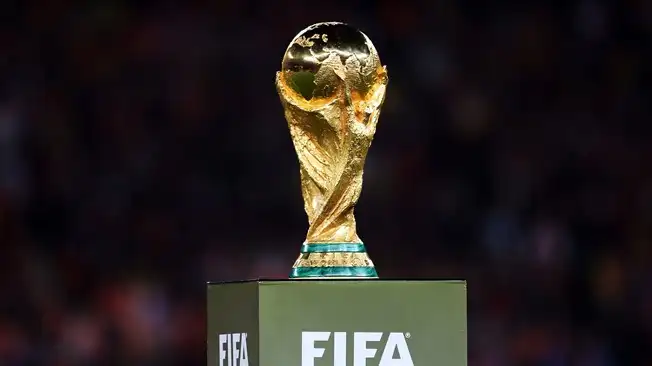
Every four years, billions of eyes turn to the world’s most watched sporting spectacle, but fewer observers recognize the complex web of political intrigue, diplomatic negotiations, and corporate power plays unfolding behind the scenes. The World Cup has long transcended its origins as a simple soccer tournament, morphing into soing far more significant: a barometer of global influence, a platform for national image making, and a massive economic engine that moves billions of dollars across borders.
FIFA, the governing body of international soccer, wields power that rivals many multinational corporations and even some nation states. Its decisions about host countries, broadcasting rights, and sponsorship deals ripple through economies and shape perceptions on a scale that few other organizations can match. Awarding hosting rights to a country can legitimize governments on the world stage, boost tourism for decades, and fundamentally reshape urban landscapes through infrastructure development. Yet these same decisions often spark fierce debate about human rights, labor conditions, and whether sporting events should be used to whitewash authoritarian regimes.
Diplomatic channels hum with activity around World Cup cycles as nations jockey for position, form voting blocs, and trade favors to secure coveted hosting rights or favorable regulatory treatment. Foreign ministers and heads of state regularly involve themselves in what might seem like purely sporting matters, recognizing that success in the World Cup arena translates to soft power gains that money cannot buy. Corporate sponsors, meanwhile, navigate a minefield of political sensitivities as they seek to associate their brands with the tournament while avoiding controversies that could damage their reputations in key markets.
Business interests intersect with political calculations at every level of the tournament. Construction contracts worth billions go to well connected firms. Media conglomerates negotiate exclusive broadcasting deals that determine how hundreds of millions of viewers will experience the games. Hospitality packages, merchandise licensing, and sponsorship hierarchies create parallel economies that operate alongside the matches themselves. Each transaction carries political weight, and each decision potentially advantages some stakeholders while disadvantaging others.
Critics have long questioned whether FIFA operates with sufficient transparency and accountability given its outsize influence on global affairs. Corruption scandals have periodically rocked the organization, leading to arrests, resignations, and calls for fundamental reform. These controversies highlight a central tension: an organization that presents itself as focused solely on sport actually makes decisions with profound political and economic consequences, yet it operates outside the traditional frameworks of democratic oversight or international governance.
As the tournament unfolds, observers who look beyond the matches themselves will find a masterclass in how power operates in the 21st century. The intersection of sports, politics, and commerce creates a unique laboratory for understanding how nations project influence, how corporations navigate global complexity, and how international organizations wield authority that transcends borders. Whether FIFA can balance its sporting mission with its inevitable role as a political and economic actor remains one of the most compelling questions surrounding not just this tournament, but the future of global sports governance itself.
You May Like











Leave a comment