

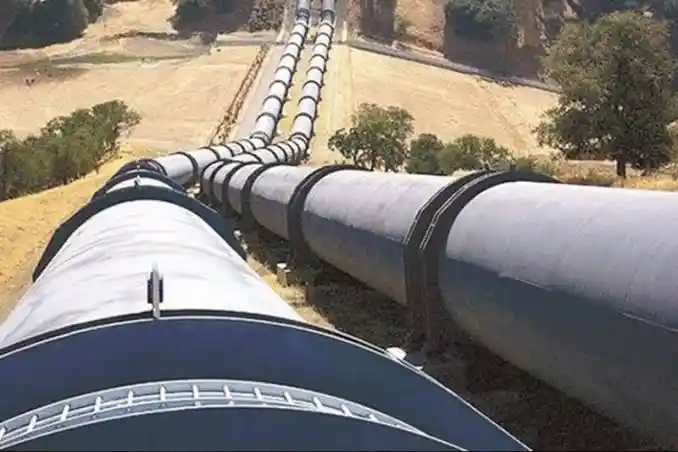
West African leaders have thrown their political weight behind one of the continent’s most ambitious infrastructure projects, endorsing a $25 billion gas pipeline that promises to reshape regional energy security while opening new export routes to Europe. Heads of state from the Economic Community of West African States approved the Nigeria-Morocco Gas Pipeline during their summit in Sierra Leone on Sunday, providing crucial sovereign backing for a project first proposed nearly a decade ago.
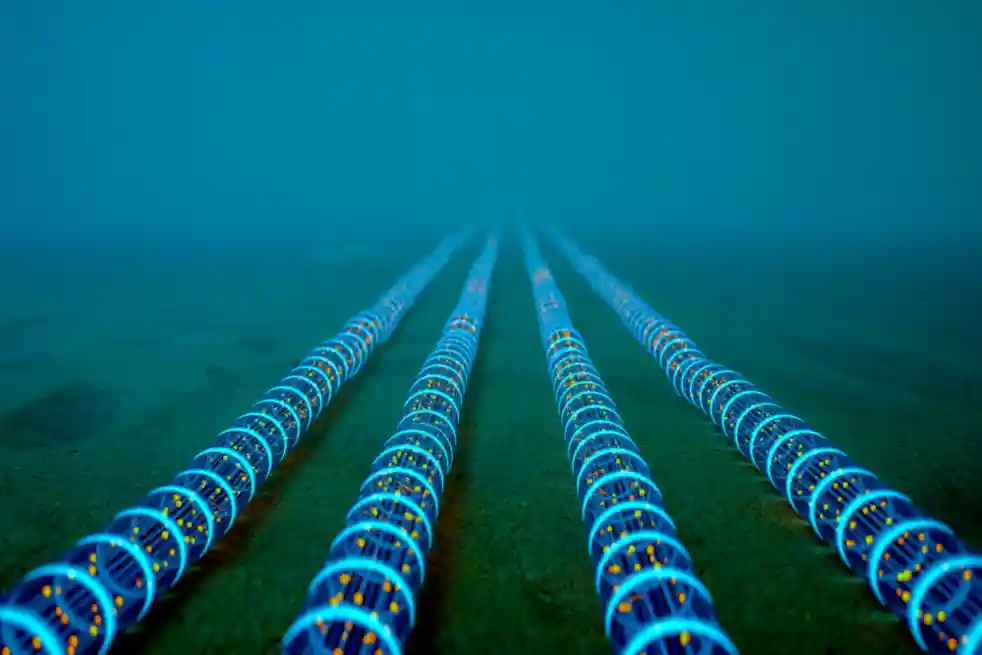
The planned 6,800 kilometer pipeline will snake through 13 West African countries, connecting Nigeria’s vast gas reserves to Morocco before linking with the existing Maghreb-Europe Gas Pipeline to Spain. Once operational, the infrastructure is expected to transport up to 30 billion cubic meters of natural gas annually, with roughly half destined for Moroccan and European markets. Project developers from Morocco’s National Office of Hydrocarbons and Mines and the Nigerian National Petroleum Company will elish a dedicated company in Casablanca and a higher coordinating authority in Abuja to oversee financing and shepherd the project toward a final investment decision.
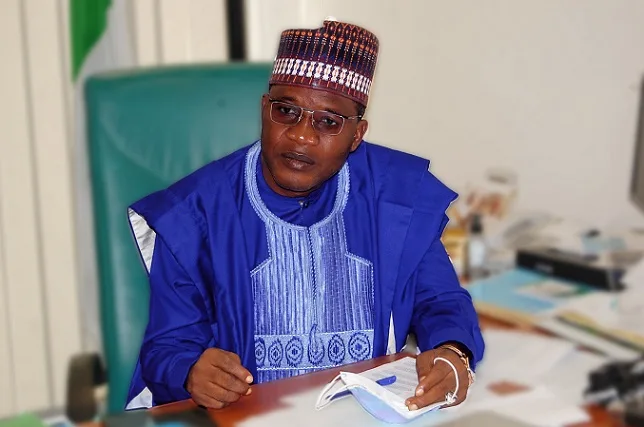
Beyond its role as an export corridor, the pipeline represents a fundamental transformation of West Africa’s energy landscape. Countries that currently lack access to reliable natural gas supplies will gain connectivity to resources from Nigeria, Senegal and Mauritania. Such access could catalyze electricity generation, support industrial development and energize regional trade across participating economies. NNPC Chief Executive Officer Bayo Ojulari characterized the ECOWAS agreement as the sovereign framework needed to move from planning to implementation, signaling confidence that political obstacles have been cleared.
The project has gained significant momentum as Europe scrambles to diversify natural gas supplies following geopolitical disruptions in global energy markets. Morocco first proposed the initiative in 2016, but recent European demand for alternative energy sources has accelerated interest and planning. Regional political support now reduces one of the project’s biggest risks, though substantial challenges remain. Financing arrangements, engineering specifications and commercial agreements must still be completed before construction can begin.
Competition over African energy routes adds another dimension to the pipeline’s strategic importance. Algeria is pursuing its own Trans-Saharan Gas Pipeline, which would carry Nigerian gas north through Niger to Algeria before connecting to European markets. Both projects position Africa as a long term supplier to European demand, yet they differ markedly in geography, security considerations and the roster of participating countries. Each nation involved faces choices about which project to prioritize and how to balance regional cooperation against national interests.
If completed as planned, the Nigeria-Morocco pipeline would rank among the world’s longest combined offshore and onshore gas pipelines and stand as one of Africa’s largest cross-border infrastructure projects. Success would demonstrate that continental cooperation can deliver transformative infrastructure despite complex political and financial obstacles. Whether the project meets its ambitious timelines depends on securing billions in financing, navigating diverse regulatory environments and maintaining political consensus across more than a dozen countries for years to come.
















Leave a comment