

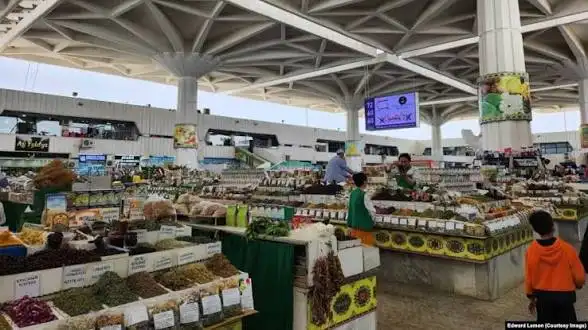
Turkmenistan is confronting a sudden rise in consumer prices following the collapse of key imports from neighboring Iran, a development that is placing pressure on the country’s domestic economy. Government officials and market observers say the disruption has affected several sectors that depend on cross border trade, including food products, construction materials, and household goods. The situation has highlighted the vulnerability of supply chains that rely heavily on regional trade connections.
Local markets in several Turkmen cities have experienced noticeable increases in the cost of everyday items as merchants struggle to replace goods that were previously sourced from Iranian suppliers. Traders say that shipments that once moved regularly across the border have slowed significantly, forcing businesses to seek alternative suppliers or reduce available inventory. For many consumers this shift has translated into higher prices and fewer choices on store shelves.
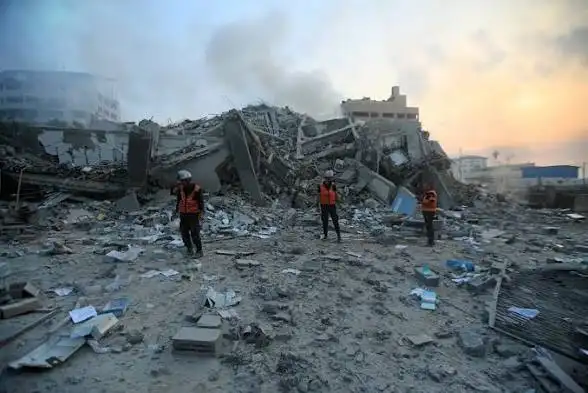
Economists note that Iran has long served as an important trading partner for Turkmenistan, particularly for goods that can be transported quickly across their shared border. The disruption of this trade relationship has created a supply gap that cannot easily be filled in the short term. Importers are now attempting to secure products from more distant markets, but transportation costs and longer delivery times are contributing to the rising price pressures felt across the country.
Government representatives have acknowledged the challenges facing domestic markets and say authorities are examining measures that could ease the economic strain. These may include adjusting import regulations, encouraging local production, or seeking new trade partnerships with alternative suppliers. Officials have also emphasized the importance of maintaining economic resilience during periods of regional uncertainty that affect elished commercial routes.
Analysts believe the situation illustrates how regional geopolitical tensions can influence everyday economic conditions in neighboring states. Even countries not directly involved in major conflicts can feel the impact when trade networks become disrupted. For Turkmenistan the sudden decline in imports from Iran has created a ripple effect throughout the economy, reminding policymakers and businesses alike of the importance of diversified supply chains in an increasingly interconnected global marketplace.















Leave a comment