

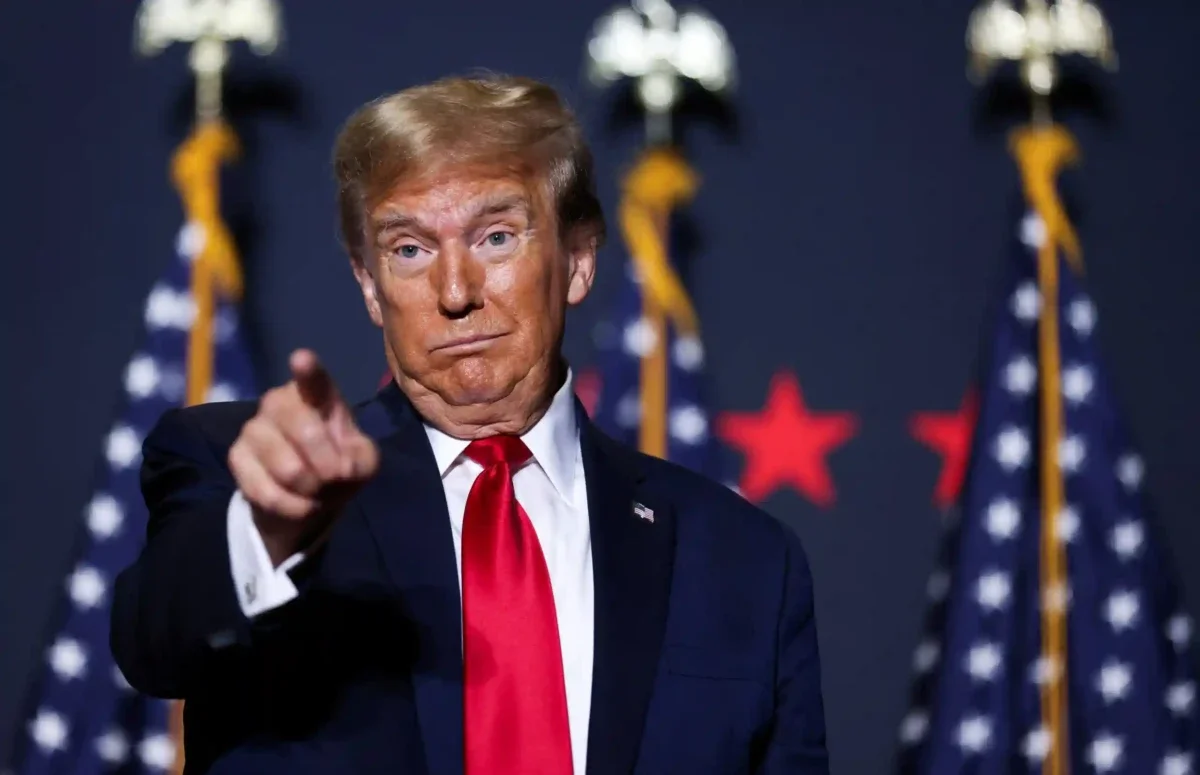
In a significant escalation of tensions between the United States and Russia, President Donald Trump has ordered the repositioning of two U.S. nuclear submarines c to Russian waters. This decision comes in response to recent provocative statements made by former Russian President Dmitry Medvedev, who now serves as the Deputy Chairman of Russia’s Security Council.
Medvedev’s remarks, which included warnings about Russia’s nuclear capabilities and the potential for conflict, were perceived by the U.S. administration as highly inflammatory. In a social media post, President Trump stated, “Based on the highly provocative statements of the Former President of Russia, Dmitry Medvedev… I have ordered two Nuclear Submarines to be positioned in the appropriate regions, just in case these foolish and inflammatory statements are more than just that.” He further emphasized the importance of words and their potential consequences, expressing hope that the situation would not escalate further.
The deployment of nuclear submarines is a rare and significant military maneuver, typically reserved for moments of heightened international tension. While the exact locations of the submarines have not been disclosed, the move is widely interpreted as a direct response to Medvedev’s comments. President Trump justified the action by stating, “A threat was made by a former president of Russia, and we’re going to protect our people.”
This development marks a notable deterioration in U.S.-Russia relations, which have been strained over various issues, including the ongoing conflict in Ukraine. The U.S. has been critical of Russia’s military actions in Ukraine and has called for a ceasefire. President Trump had previously issued a 10-day ultimatum to Russia to agree to a ceasefire, warning of potential economic sanctions if progress was not made. However, Moscow has shown no indication of complying with the demands.
Analysts have expressed concern over the potential for further escalation. Daryl Kimball, Executive Director of the Arms Control Association, commented, “No leader or deputy leader should be threatening nuclear war, let alone in a juvenile manner on social media.” The situation remains fluid, and international observers are closely monitoring developments to assess the potential implications for global security.
You May Like














Do we really need to escalate tensions with Russia like this? Whats the endgame here? Seems risky.
Is this a strategic move or escalating tensions unnecessarily? Lets discuss the implications of Trumps decision.
Is this a strategic move or a reckless escalation? What are your thoughts on Trumps decision? Lets discuss!
Why move nuclear subs c to Russia? Is it for safety or provocation? Curious to hear different perspectives.
Is this a strategic move or unnecessary provocation? What do you think about Trumps decision?
Why escalate tensions with Russia? Isnt diplomacy a better option? This move seems risky and unnecessary.
Is this a strategic move or a reckless provocation? What do you think about Trumps decision? Lets discuss!
This move seems like a risky game of chess, but will it escalate tensions or deter aggression? Hard to say.
Wow, is this a bold move or a dangerous escalation? What do you think about Trumps decision? Lets discuss!