

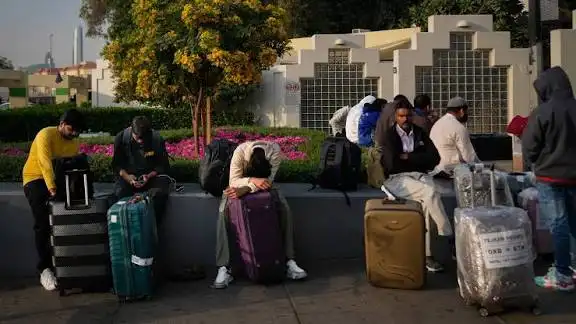
Travelers attempting to leave parts of the Middle East are facing unusually high transportation costs as flight disruptions linked to the ongoing regional conflict reshape air travel across the region. Airlines have reduced or suspended several routes due to security concerns and operational challenges, leading to a sharp decline in available seats. The limited capacity has pushed ticket prices significantly higher, forcing many passengers to pay far more than usual to secure a flight out of affected areas.
Airports in several regional hubs have seen crowded terminals as travelers search for alternative routes and last minute bookings. Many passengers have reported difficulty finding direct flights, prompting them to consider multi stop journeys through distant transit points. Travel agencies and airline representatives say demand for outbound flights has surged in recent days as tourists, expatriate workers, and business travelers attempt to leave the region while conditions remain uncertain.
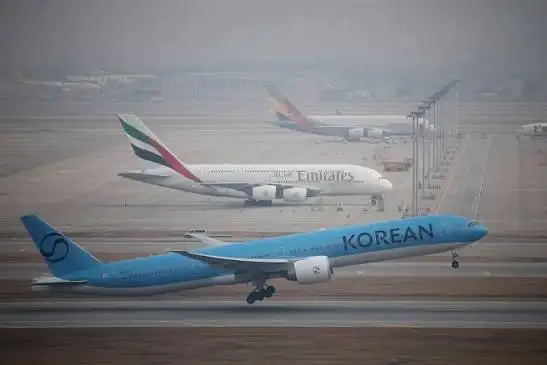
Airlines operating near conflict zones often adjust flight paths or suspend services entirely when security risks increase. These measures are designed to protect passengers and crews but can dramatically reduce overall travel capacity. As a result remaining flights tend to fill quickly and prices rise due to the imbalance between demand and available seats. Aviation experts say such conditions are common during geopolitical crises that disrupt normal air traffic patterns.
Governments in several countries have issued travel advisories urging citizens to monitor official guidance and register with diplomatic missions if they are currently in affected areas. Some governments are also exploring options to assist nationals who wish to depart but face logistical challenges. Diplomatic channels remain active as officials coordinate with airlines and regional authorities to ensure that commercial travel routes can continue operating where possible.
The surge in travel costs illustrates how regional conflicts can quickly influence civilian mobility and international tourism. Airlines, travelers, and policy makers are now watching developments closely as they evaluate whether the disruptions will ease or continue. For many passengers the immediate priority remains finding safe and reliable transportation options while navigating a rapidly cing travel environment across the Middle East.


















Leave a comment