

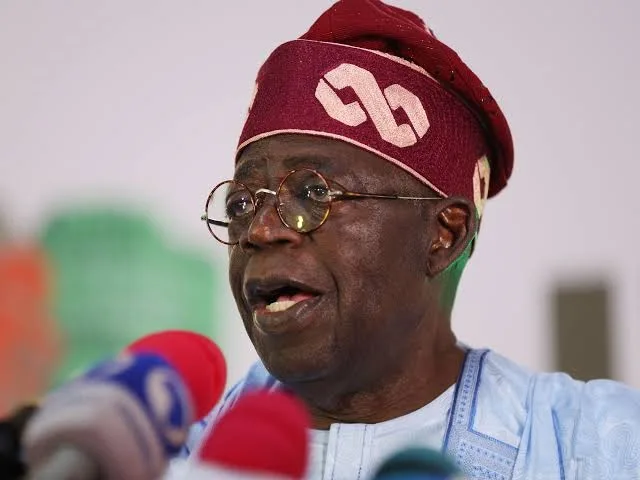
President Bola Ahmed Tinubu’s Federal Executive Council (FEC) announced a landmark decision to ban the procurement of foreign goods and services by federal ministries, departments, and agencies, a move dubbed the “Nigeria First Policy.” Unveiled by Minister of Information Mohammed Idris, the policy aims to prioritize locally manufactured goods, strengthen the naira, and reduce Nigeria’s N16.6 trillion import bill from Q4 2024. Stakeholders, including Muda Yusuf of the Centre for the Promotion of Private Enterprise (CPPE), Gbolade Idakolo of SD & D Capital Management, and Billy Gillis-Harry of the Petroleum Products Retail Owners Association of Nigeria (PETROAN), have hailed the initiative as a game-cer for indigenous businesses like Dangote Refinery and Innoson Motors, amid Nigeria’s struggling $253 billion GDP, trailing Algeria, Egypt, and South Africa, per the IMF’s 2025 outlook.
The policy, set to be formalized through an Executive Order drafted by the Attorney General, is designed to curb reliance on imports and foster industrialization. Idris emphasized its role in supporting local producers, citing examples like Dangote’s 650,000-barrel-per-day refinery, which has reduced petrol prices to N910 per litre, and Innoson Motors, Nigeria’s premier vehicle manufacturer. Yusuf urged extending the ban to state governments and services, noting that Nigeria’s $10-15 billion annual service imports—spanning IT, software, and advertising—could be slashed by patronizing local talent. “This will boost GDP, create jobs, and conserve foreign exce,” he told DAILY POST, advocating for broader trade protections for local manufacturers of furniture, pharmaceuticals, and uniforms.
Idakolo predicted economic flourishing, citing Nigeria’s 2024 trade surplus—the first in a decade—driven by reduced imports and increased exports. “This policy will retain foreign currency and strengthen the naira,” he said, linking it to the naira-for-crude deal with Dangote Refinery, which Aliko Dangote credited for cutting forex demand by 40%. Gillis-Harry, with fervor, called it “the best news in my 65 years,” suggesting that rigorous implementation could propel Nigeria toward global economic prominence. He stressed collective sacrifice to escape the “economic quagmire.”
Sentiment on X reflects cautious optimism, with @TheWhistlerNG praising the policy’s intent to stimulate the economy, though @LRNZH questioned whether Tinubu would lead by example, swapping his Cadillac for Innoson vehicles. Critics, like Afenifere, have warned that prior reforms, such as fuel subsidy removal before Dangote’s operations, exacerbated economic woes, suggesting implementation will be key. The policy aligns with Tinubu’s broader reforms, including naira flotation and subsidy cuts, which, despite initial hardship, are showing signs of ilization, as petrol prices drop and the naira strengthens. If enforced, the Nigeria First Policy could mark a pivotal step toward self-reliance, but its success hinges on consistent execution across all government levels.
You May Like





















I dont see how banning foreign goods benefits consumers. What about variety and quality? This seems short-sighted.
I dont buy it. Tinubus ban might help some, but what about consumers who rely on affordable foreign goods? #DebateTime
I think this ban on foreign goods could lead to higher prices for consumers. What do you all think?
This ban could lead to monopolies and limited choices for consumers. Is it really a boost for the economy?
This ban could backfire, limiting consumer choices and increasing prices. Lets consider the consequences before celebrating.
I disagree with the notion that banning foreign goods will automatically boost the economy. Innovation and competition are key!
This ban on foreign goods may help local businesses but could also limit consumer choices and increase prices. What do you think?
This ban could lead to a rise in local production, but what about consumers choices and affordability? Will it really benefit everyone? #DebateTime
I think the ban on foreign goods could lead to higher prices for consumers. Is that really a boost for the economy?