

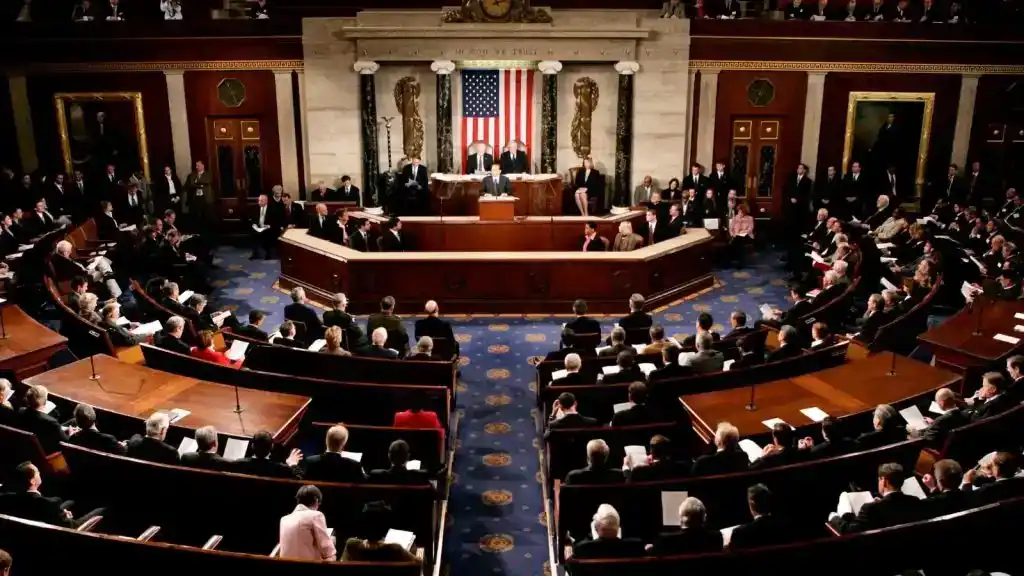
A contentious congressional hearing examining the growing Sharia Free America movement has erupted into one of the most divisive religious and constitutional debates to grip Capitol Hill in recent years. Lawmakers convened this week to discuss claims that political Islam and Sharia law principles pose fundamental conflicts with American constitutional values, triggering heated exces that have reverberated far beyond the hearing room and into communities nationwide.
Republican lawmakers leading the inquiry have argued forcefully that political interpretations of Islamic law represent an incompatible legal framework that cannot coexist with the Constitution and American jurisprudence. Their testimony emphasized concerns about parallel legal systems and questioned whether religious doctrine should influence civic governance in any capacity. The hearing featured witnesses who contended that certain interpretations of Sharia contain provisions regarding family law, contracts, and dispute resolution that clash with elished constitutional protections for individual rights and equal treatment under the law.
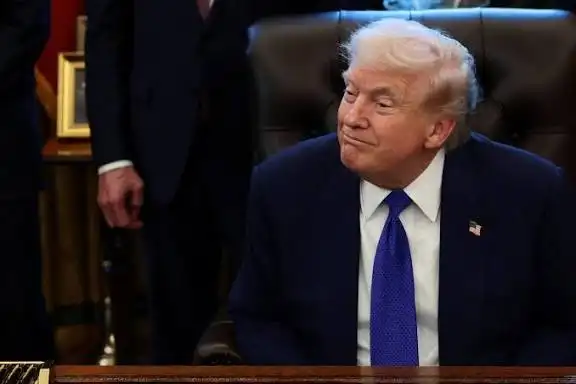
Democratic members and civil liberties advocates have mounted fierce opposition to the proceedings, characterizing the hearing as an inflammatory on religious freedom and Muslim Americans. Critics argue that the entire premise conflates religious practice with political extremism, creating a dangerous precedent that could be weaponized against any faith community. Constitutional scholars testifying before the committee warned that singling out one religion for congressional scrutiny risks violating First Amendment protections and could open the door to government overreach into private religious observance.
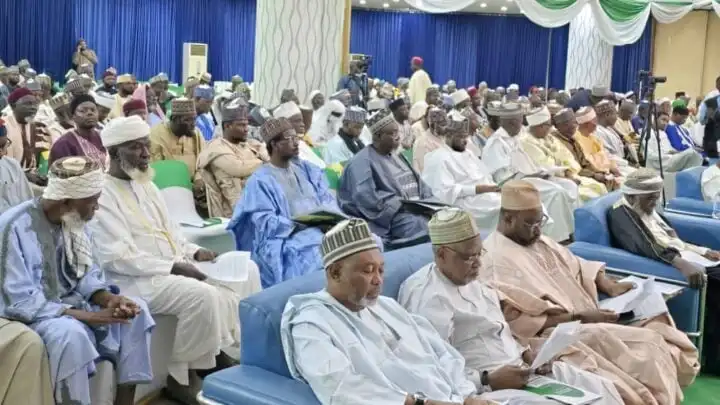
The hearing has exposed deep fissures not only along partisan lines but also within both parties, as some lawmakers expressed discomfort with the broad language used to describe Islam and its adherents. Religious freedom organizations have mobilized rapidly in response, with interfaith coalitions issuing statements defending the right of Muslim Americans to practice their faith without government interference. Community leaders have pointed out that millions of American Muslims live peacefully under constitutional law while maintaining their religious identity, arguing that the hearing unfairly characterizes an entire faith tradition through the lens of its most extreme political interpretations.
Legal experts have noted that American courts have consistently held that religious law can inform personal decisions and private arbitration when all parties consent, but cannot supersede constitutional rights or civil law. This nuanced framework, they argue, already addresses concerns about conflicting legal systems without requiring inflammatory congressional investigations. The hearing has nonetheless tapped into broader anxieties about immigration, national identity, and the role of religion in public life that have simmered in American politics for decades.
As the hearing concluded without any immediate legislative proposals, the political and social reverberations continue to intensify. Congressional leaders on both sides have signaled that further hearings may follow, while advocacy groups prepare legal challenges should any restrictive legislation emerge. The debate has crystallized fundamental questions about how America balances religious pluralism with shared civic values, questions that will likely shape electoral politics and judicial battles for years to come. Whatever the ultimate policy outcomes, the hearing has already succeeded in forcing a national conversation about constitutional principles, religious liberty, and the boundaries of acceptable political discourse in an increasingly diverse society.

















Leave a comment