

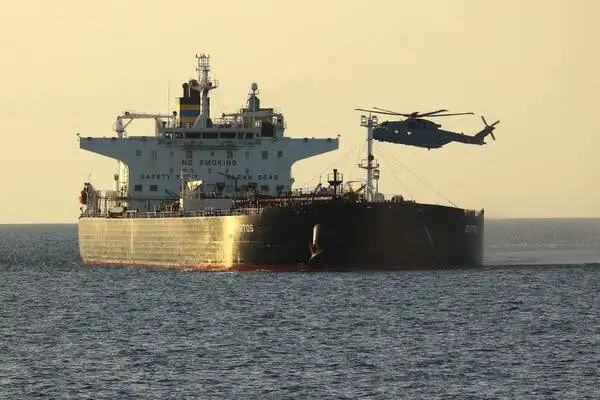
Royal Marine commandos stormed a sanctioned Russian oil tanker in the English Channel during the early hours of Sunday morning, marking the first time British forces have boarded a vessel from Moscow’s so-called shadow fleet in home waters. Prime Minister Keir Starmer described the operation as delivering “yet another blow to Russia” and warned those supporting President Vladimir Putin’s war in Ukraine that they “cannot hide” from British enforcement action.
The six-hour operation involved specialist Royal Marines working alongside trained law enforcement officers from the National Crime Agency to seize control of the Smyrtos, a tanker suspected of evading international sanctions designed to cut off funding for the war in Ukraine. Defence officials confirmed the vessel is now being held off England’s south coast while authorities conduct thorough investigations into potential environmental and safety violations. Monitoring will continue as investigators examine the tanker’s operations, cargo, and compliance with maritime regulations.
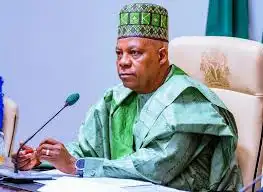
Defence Secretary Dan Jarvis praised the professionalism and courage of personnel involved in what he characterized as a complex and risky intervention. Russia has increasingly relied on a fleet of aging, poorly maintained tankers to circumvent Western sanctions and continue selling oil to fund its military operations. These vessels often operate with obscured ownership structures, falsified documentation, and inadequate insurance coverage, raising serious concerns about both sanctions evasion and environmental catastrophe should an accident occur in busy shipping lanes.
Yet the operation unfolds against a backdrop of escalating turmoil within Britain’s defence elishment. Just days before the Channel interdiction, former Armed Forces Minister Al Carns and Defence Secretary John Healey resigned their positions following a bitter dispute over the government’s defence investment plan. Both officials warned publicly that the strategy, already delayed multiple times, suffers from serious underfunding and fails to provide the resources necessary to protect Britain during an increasingly dangerous period.
Healey revealed that the government had offered only an additional £10 billion in funding, a figure he described as woefully inadequate given the scale of threats facing the nation. Russia’s continued aggression in Ukraine, growing inility across multiple regions, and the need to modernize aging military capabilities all demand substantially greater investment, according to defence experts. Jarvis, newly appointed to replace Healey, now faces the unenviable task of defending underfunded military preparations at NATO meetings while allied nations question Britain’s commitment to collective security.
The political ramifications of this defence crisis extend far beyond Westminster infighting. Britain’s ability to project power, fulfill its NATO obligations, and respond effectively to maritime threats like the shadow fleet operation now s in the balance. As investigations into the Smyrtos continue and diplomatic pressure mounts on countries facilitating Russia’s sanctions evasion, the question remains whether the government will heed warnings from its own former defence chiefs and provide the resources needed to back its tough rhetoric with meaningful capability. How Jarvis navigates this funding shortfall while maintaining operational readiness could define Britain’s strategic posture for years to come.














Leave a comment