

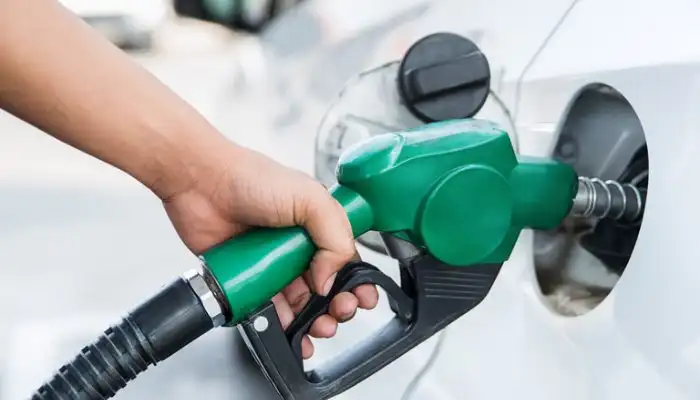
Nigeria is facing renewed anxiety over rising fuel costs as global crude oil prices surge following escalating conflict involving the United States, Israel, and Iran. Brent crude has climbed above 114 dollars per barrel, its highest level in years, triggering fears of further increases in petrol prices across the country.
The spike comes after s on critical energy infrastructure, including Iran’s South Pars gas field, the world’s largest natural gas reserve. Retaliatory strikes targeting facilities in Qatar and Saudi Arabia have intensified uncertainty in global energy markets, pushing prices upward.

In Nigeria, petrol prices have already risen sharply, with pump prices ranging between 1200 and 1400 naira per litre in several locations. The impact is being felt nationwide, as transportation and commodity costs continue to climb, worsening the burden on households and businesses.
The situation has been compounded by adjustments from key domestic suppliers such as Dangote Refinery and Nigerian National Petroleum Company, both of which have increased prices in response to global market pressures. Since Nigeria relies heavily on international crude benchmarks, local pricing remains vulnerable to external shocks.
Meanwhile, tensions continue to rise globally, with Donald Trump warning of further escalation if s on allied energy infrastructure persist. Concerns over potential disruption to the Strait of Hormuz, a critical global oil transit route, have added to market volatility.
Despite the surge in crude oil prices, cooking gas prices have remained relatively le in some parts of Nigeria, although regional disparities persist, with higher costs recorded in the South East and South South regions.
Economic analysts warn that unless proactive measures are taken, the current situation could deepen inflationary pressures. Recommendations include strengthening local refining capacity, diversifying the economy beyond oil, and implementing targeted support for vulnerable citizens.
As global uncertainty continues, Nigeria’s dependence on external energy markets underscores the urgency of building a more resilient and self sufficient economic framework. Without such reforms, fluctuations in global oil prices will continue to have direct and severe consequences for everyday life.
You May Like

















Leave a comment