


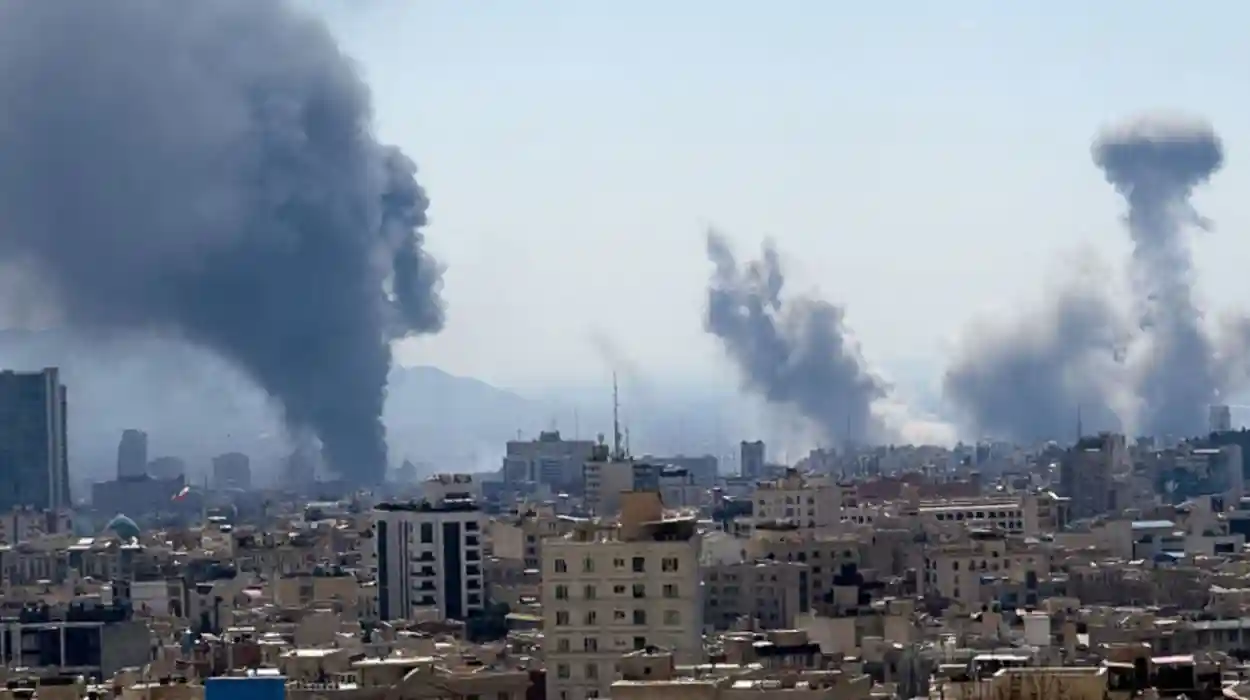
Regulatory authorities in several countries have summoned major fuel companies to explain sudden increases in petrol prices, as governments seek to address public concern over rising living costs. The move comes against the backdrop of a broader energy disruption linked to tensions involving Iran, Israel, and the United States, which has unsettled global oil markets. Officials are under mounting pressure to ensure that price adjustments reflect genuine supply constraints rather than opportunistic behavior.
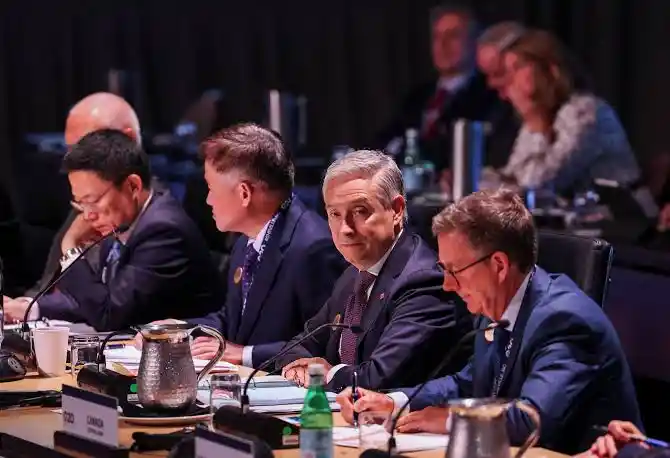
Energy regulators have requested detailed breakdowns of pricing structures, including wholesale costs, distribution expenses, and profit margins. In some cases, executives from major fuel distributors have been asked to appear before oversight bos to clarify how international price shifts are being passed on to consumers. Authorities are particularly focused on whether companies are adhering to fair pricing standards during a period of heightened uncertainty.
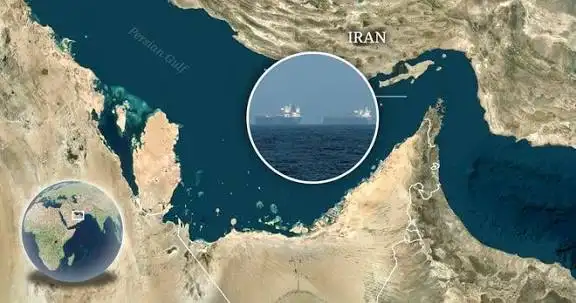
The surge in prices has been closely tied to developments around the Strait of Hormuz, a critical route for global oil shipments. Concerns about potential disruptions have led to increased volatility in crude markets, which in turn affects refined fuel prices worldwide. However, regulators argue that domestic pricing should not rise disproportionately or without clear justification, especially in countries with elished oversight mechanisms.
Public reaction has been swift, with consumer groups and advocacy organizations calling for greater transparency and accountability. Many households are already facing financial strain due to higher transportation and energy costs, and further increases risk deepening economic hardship. In response, some governments are considering temporary measures such as price caps, tax reductions, or subsis to mitigate the impact on consumers.
Analysts note that while regulatory scrutiny may help curb excessive pricing, it cannot fully shield markets from global pressures. The underlying issue remains the inility in energy supply chains, which continues to influence pricing dynamics across regions. As investigations proceed, the outcome of these regulatory actions could shape how fuel markets operate during periods of international tension and determine the balance between market forces and consumer protection.
You May Like
















Leave a comment