

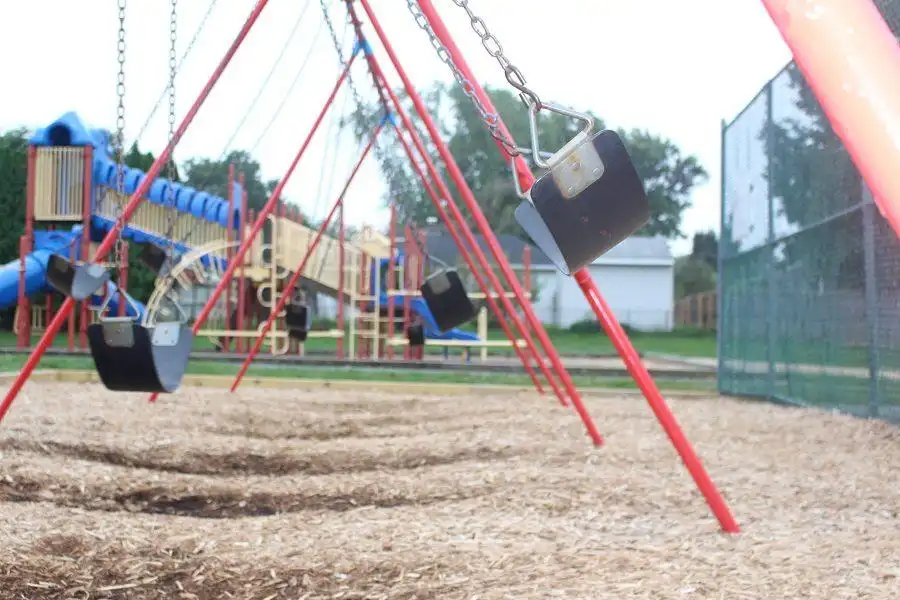
Playground time may look like simple fun, but medical experts are making clear that school recess serves as a cornerstone of childhood development that cannot be replaced by structured physical education or classroom instruction. As academic pressures mount and schools face increasing demands to maximize instructional time, the American Academy of Pediatrics has issued a renewed call to protect and prioritize unstructured play during the school day.
Recess provides children with critical opportunities that extend far beyond burning energy between math lessons. During these precious minutes of free play, students develop social ss through peer negotiation, practice conflict resolution without adult intervention, and build emotional resilience by navigating the complex dynamics of playground relationships. Children learn to create their own games, elish rules, and solve problems collaboratively in ways that no structured curriculum can replicate.

The physical benefits alone justify protecting recess time in an era when childhood obesity rates continue to climb and sedentary screen time dominates after school hours. Unstructured outdoor play allows children to move their bos in varied and unpredictable ways, developing coordination, balance, and cardiovascular fitness through genuine enjoyment rather than forced exercise. Medical professionals emphasize that this kind of movement breaks are not luxuries but necessities for growing bos and developing brains.
Cognitive science supports what parents and teachers have long observed: children who have regular breaks for play return to classrooms more focused, attentive, and ready to learn. Brain research demonstrates that periods of unstructured activity actually enhance academic performance by allowing neural pathways to consolidate new information and giving overtaxed attention systems time to reset. Schools that have eliminated or drastically reduced recess in favor of additional instruction time may be undermining the very academic goals they hope to achieve.
Despite this growing body of evidence, many schools continue to treat recess as expendable, particularly for students who struggle academically or behaviorally. Some districts have adopted policies that withhold recess as punishment or replace it with remedial instruction, practices that pediatric experts strongly condemn as counterproductive and potentially harmful. Children who face learning challenges or behavioral difficulties often need movement breaks more than their peers, not less.
Looking ahead, advocates for child health are calling on school administrators, policymakers, and parents to recognize recess as a non negotiable component of the school day rather than an optional add on. As education continues to evolve and schools grapple with competing demands for student time, protecting space for unstructured play may prove one of the most important investments in the next generation’s physical health, social competence, and academic success.





















Leave a comment