

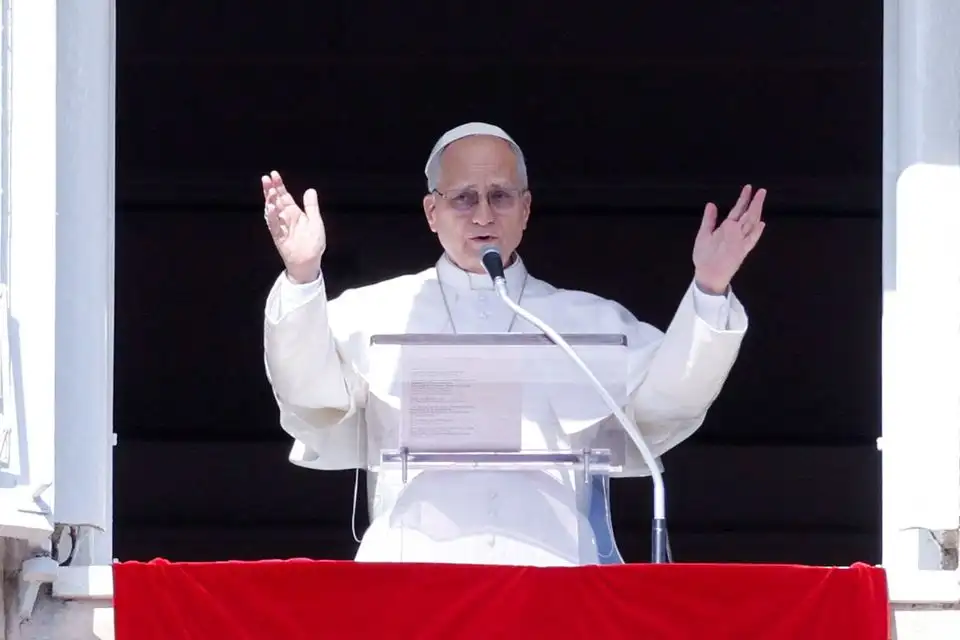
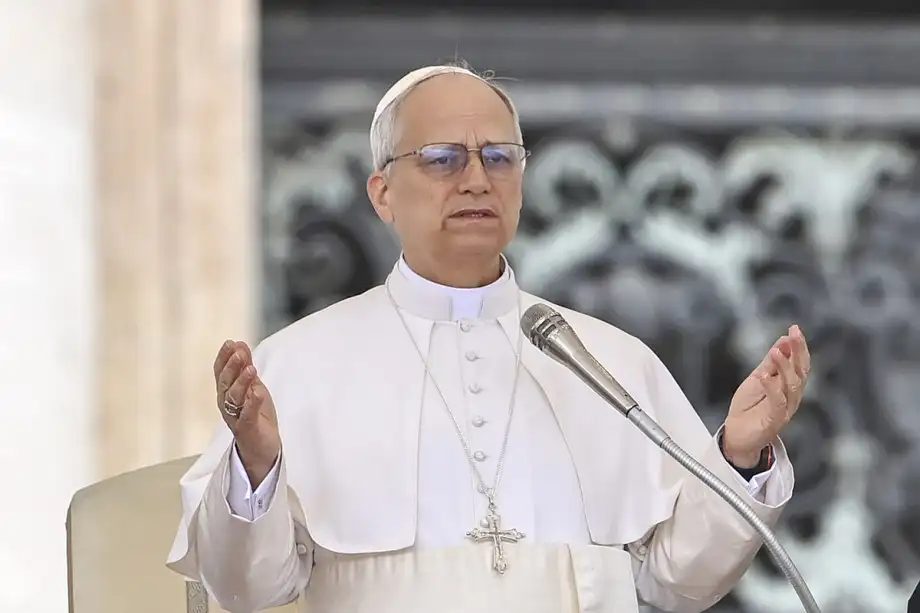
Pope Leo XIV arrives in Spain this weekend to find a nation transformed, where the once mighty Catholic Church grapples with a legacy of abuse while a Socialist government navigates turbulent political waters. The American pontiff’s weeklong journey, beginning Saturday in Madrid, represents the first papal visit to the Iberian nation in 15 years and signals a renewed Vatican focus on Europe’s traditional Christian heartlands.
King Felipe VI and Queen Letizia, the country’s Catholic monarchs, will welcome Leo on his arrival, and his first day concludes with a prayer vigil attended by young Spaniards, many of whom will witness a pope on their soil for the first time. Vatican spokesman Matteo Bruni indicated that a central message of the visit would address youth, helping them “envisage the future, even in an age of strongmen, where the church seeks to foster holy men.” Yet shadows loom over the celebratory atmosphere. Late Friday, the Vatican confirmed that Leo will meet with survivors of clergy ual abuse, acknowledging a crisis that continues to haunt papal travels worldwide.
Spain’s Catholic hierarchy now faces a belated but necessary reckoning with decades of abuse and institutional cover ups in what was historically one of Europe’s most devoutly Catholic nations. The meeting with survivors underscores how dramatically the church’s standing has shifted in a country where secularization has accelerated and public trust in religious institutions has eroded. For many Spaniards, particularly younger generations, the Church represents not spiritual guidance but a painful reminder of past transgressions and moral failures.
Leo’s visit marks a strategic pivot from his predecessor’s approach to European engagement. Pope Francis largely avoided traditional centers of European Christianity, preferring instead to visit smaller Catholic communities in more remote regions. Leo, however, appears determined to reassert the papacy’s presence across the continent. His Spain trip follows a day visit to Monaco in March and a brief stop in San Marino in August, with a four-day French visit planned for September. This European focus comes as the continent wrestles with profound challenges, from Russia’s ongoing war in Ukraine to economic anxieties and the disruptive arrival of artificial intelligence.
The centerpiece of Leo’s Spanish visit will be an address Monday to both chambers of the Spanish Parliament, a historic first for any pope. This speech offers the American pontiff an opportunity to articulate his vision for Europe’s future and the role of faith in increasingly secular democracies. Spain’s Socialist government, currently mired in political crisis, will host a religious leader whose message of peace, unity, and human dignity may resonate differently across the nation’s polarized political landscape. How lawmakers and citizens receive his words will reveal much about contemporary Spain’s relationship with its Catholic heritage.
Beyond political symbolism, Leo’s visit confronts fundamental questions about religious identity in modern Europe. Spain’s transformation from a nation where Catholicism shaped every aspect of public life to one where church attendance has plummeted and secular values dominate reflects broader continental trends. Young Spaniards increasingly identify as non religious, viewing the Church as irrelevant to their lives or actively hostile to progressive values on issues from gender equality to LGBTQ rights. Leo’s prayer vigil with youth represents an attempt to bridge this widening generational divide.
As the pope prepares to address Parliament and meet with abuse survivors, the success of his visit will ultimately be measured not in crowds gathered or ceremonies conducted, but in whether he can offer a credible path forward for a wounded institution in a skeptical age. Spain’s complex relationship with Catholicism, combining deep historical roots with contemporary disillusionment, makes it a critical test case for the Church’s relevance in 21st century Europe. Whether Leo’s message can penetrate the polarization and secularization that define modern Spain remains an open question, one that will shape not only this visit but the broader trajectory of European Christianity in the years ahead.















Leave a comment