

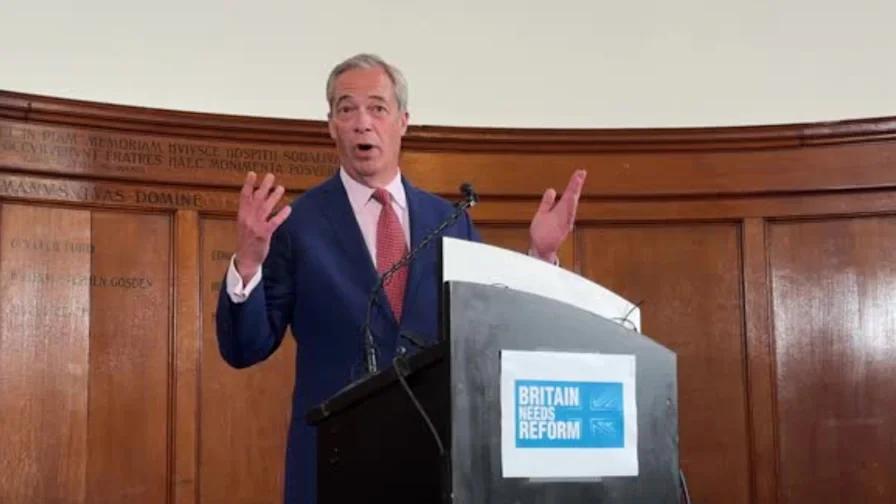
Zack Polanski’s social media habits have finally caught up with him. The Green Party leader recently shared an Instagram image depicting a man in a black T-shirt emblazoned with the words “we’re only making plans for Nigel” alongside a picture of a guillotine, sparking fury from Nigel Farage and prompting Reform UK to file police reports. While the response may seem overblown, and the prospect of prosecuting what amounts to a feeble joke as incitement appears remote, the incident raises a more troubling question: what was Polanski thinking?
In a political environment still reeling from the s of former MPs David Amess, Jo Cox, and Ann Widdecombe, the risks to public figures in an open democracy could hardly be clearer. Yet Polanski apparently failed to grasp how such imagery might land in a country where political violence has claimed real lives. Making matters worse, the Green Party of England and Wales issued an absurd and sanctimonious response claiming Polanski didn’t realise what he was posting and urging everyone to show kindness instead. Rather than defusing the controversy, this explanation merely compounds the offence by treating voters as if they lack basic comprehension ss.
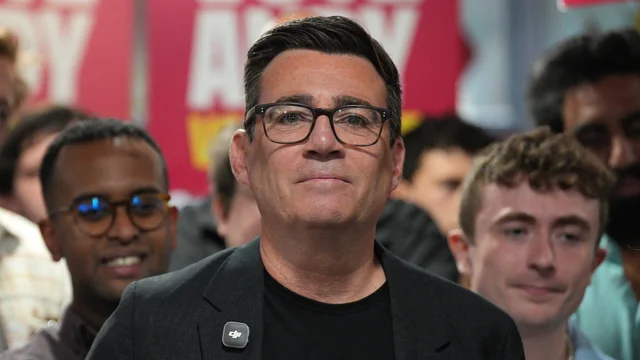
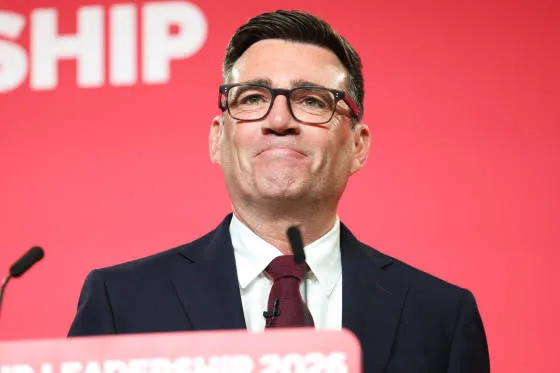
Polanski has led the Greens for almost 10 months, during which time he has achieved notable success. Victories in the Gorton and Denton by-elections, coupled with strong council election results, represented historic gains for a party long confined to the margins of British politics. Yet recent polling suggests the tide may be turning. One survey this week from More in Common shows Labour pulling ahead at the Greens’ expense, while another from YouGov places the party eight points down from its February peak. Whether Andy Burnham’s bounce proves ephemeral remains to be seen, but Polanski’s shortcomings have been progressively exposed in recent months, and he appears to lack the intellectual depth, character, and political judgement required to chart a credible path forward.
Policy detail does not appear to be his forte. During an appearance on Laura Kuenssberg’s BBC programme last November, Polanski made the extraordinary claim that loans from the Bank of England represent “money we owe to ourselves” and are “not borrowing or a debt in any real sense,” adding that “a household economy is nothing like a national budget.” These statements bear the hallmarks of Modern Money Theory, a fringe economic doctrine that takes the truism that central banks with sovereign currencies can print money and draws the alarming inference that fiscal constraints don’t really exist. There is little evidence Polanski genuinely understands these complex issues or could defend his position under sustained scrutiny from economists or political opponents.
Character flaws have also emerged into public view with increasing frequency. Allegations that he failed to pay council tax on the narrowboat serving as his main residence for three years would constitute more than a minor peccadillo if proven true. Polanski has apologised for any “unintentional mistake,” though it remains unclear whether he actually owes the tax. Puzzlingly, a party spokesperson initially told Times journalists who broke the story that Polanski had stayed on the boat only occasionally, a statement that proved false and for which he has offered no apology. Beyond this, Polanski has repeatedly given biographical details that turn out not to be true, claiming at various times to have been a spokesperson for the Red Cross and to have worked at the Ministry of Justice, neither of which is accurate. Why he makes such easily verifiable false claims remains a mystery, as does what fabrication might emerge next.
Perhaps most troubling is evidence of an ugly element entering the Green Party reminiscent of the problems Labour faced under Jeremy Corbyn. Comments from Green council candidates have included antisemitic slurs such as references to Jewish “roaches,” remarks entirely unrelated to debates over Gaza or Middle East policy. For a party seeking to attract tactical votes from those wishing to defeat Reform UK at the next election, and from voters valuing seriousness and probity in public life, Polanski increasingly appears a liability. Once a reputation for integrity is lost, it proves exceedingly difficult to retrieve, and the Green leader now represents a standing risk to his party’s credibility at precisely the moment when it might otherwise capitalise on broader political discontent.
You May Like








Leave a comment