

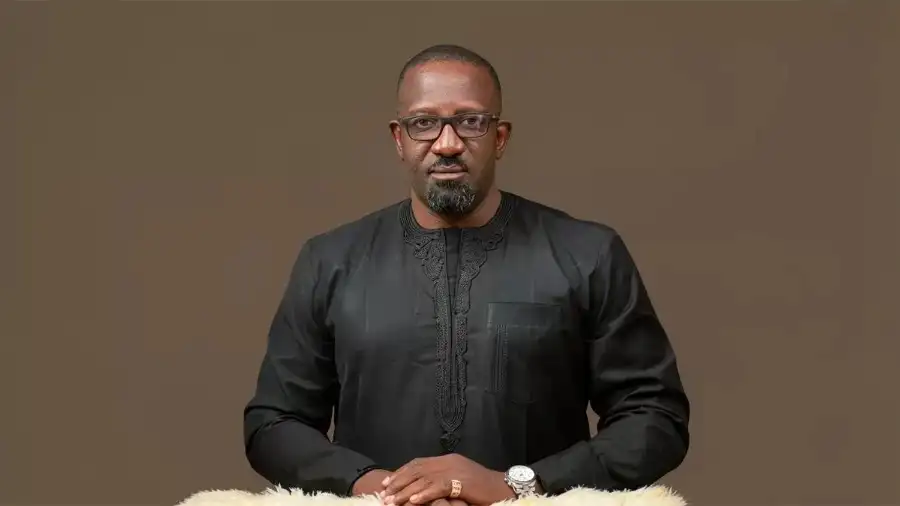
Former member of the Enugu State House of Assembly and ex South East spokesman for President Bola Tinubu Denge Onoh has criticised former Head of State Yakubu Gowon over recent comments concerning civilian casualties during the Nigerian Civil War.
Onoh described Gowon’s remarks as a dangerous attempt to minimise the human suffering experienced during the war fought between 1967 and 1970.
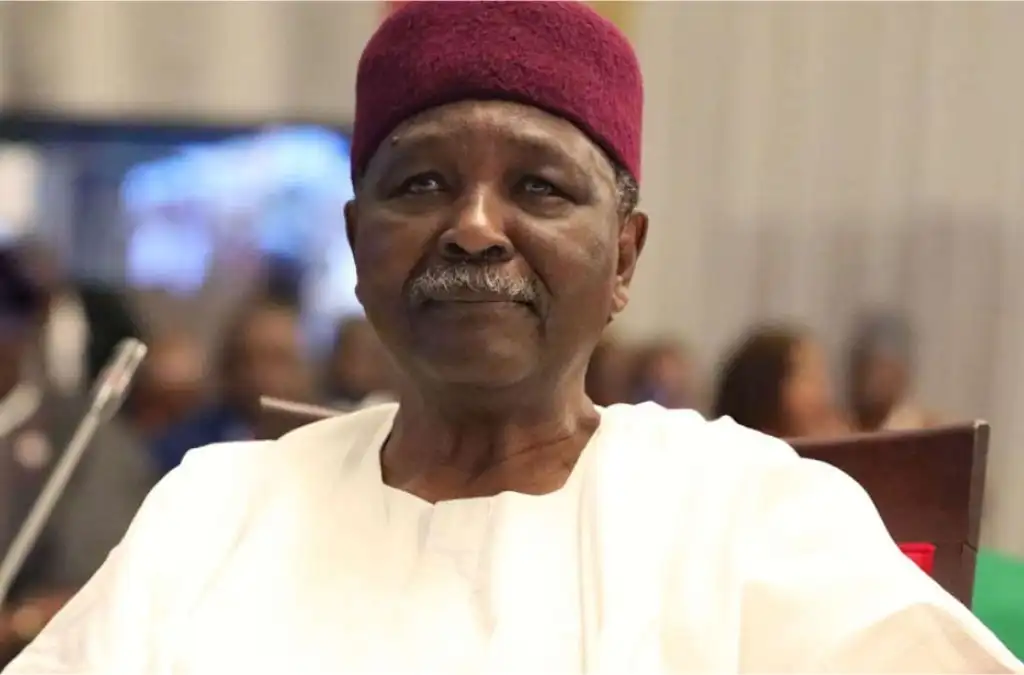
The criticism followed an interview on Arise Television where Gowon reportedly recalled visiting former Biafran territories after the war and noticing black spots on palm trees believed to be bullet marks. According to Gowon most bullets fired by Nigerian solrs hit palm trees instead of people.
Reacting to the statement Onoh argued that such comments contradict historical accounts eyewitness testimonies and international reports documenting the devastating impact of the civil war on civilians across the South East.
He noted that an estimated three million people lost their lives during the conflict mostly from starvation disease and the effects of the federal blockade. Onoh added that many others d from ings combat operations and violent reprisals.
According to him reducing the tragedy of the war to stories about bullets striking palm trees ignores the widespread humanitarian crisis experienced by millions of people especially children who suffered severe malnutrition and displacement.
Onoh also questioned the credibility of Gowon’s autobiography My Life of Duty and Allegiance claiming the book presents a defensive narrative that downplays the suffering of victims and shifts blame to Biafran leaders.
While acknowledging Gowon’s post war policy of No Victor No Vanquished and the Reconciliation Rehabilitation and Reconstruction programme Onoh insisted that true healing can only happen through honest acknowledgment of the pain endured by victims.
He urged Nigerians especially people from the South East to critically examine historical accounts of the civil war and called on Gowon to apologise to the Igbo people for the suffering experienced during the conflict.
You May Like













Leave a comment