


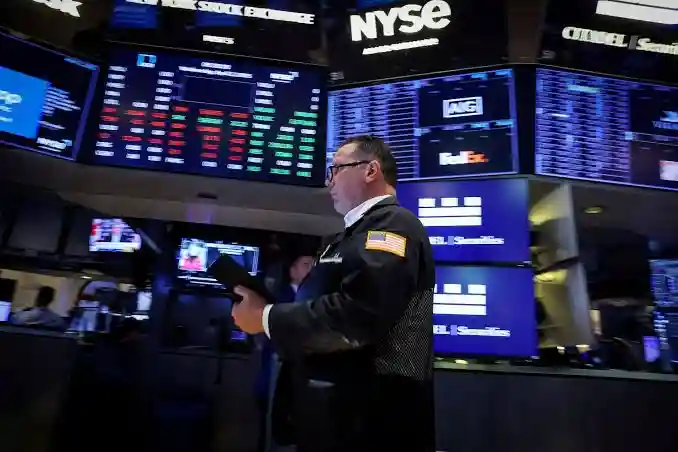
Oil prices moved sharply throughout global trading sessions as investors reacted to new developments connected to the war in the Middle East. Market data showed significant fluctuations during the day as traders evaluated potential risks to production facilities and key shipping routes. Analysts said the unpredictable price movement reflected the uncertainty that often emerges when geopolitical tensions affect major energy producing regions.
Commodity traders reported that price swings were driven largely by cing expectations about how the conflict could influence global supply. News of military developments, diplomatic efforts, and security updates from the region has been closely monitored by investors seeking to anticipate market direction. As each new report reaches financial markets, trading activity increases as participants adjust positions in response to evolving information.

Energy economists note that the Middle East plays a central role in the global oil industry, supplying a substantial portion of the world’s crude exports. When tensions rise in the region, market participants often react quickly because even the possibility of supply disruption can influence pricing. This sensitivity has been evident during the current conflict as traders assess whether production facilities or export terminals could face operational challenges.
Financial institutions have also been evaluating how the volatility in oil prices might affect broader economic trends. Sharp increases in energy costs can contribute to inflation by raising transportation expenses and manufacturing costs across many sectors. At the same time, sudden price declines can create uncertainty for producers and governments that rely heavily on oil revenues to support national budgets.
Experts say the coming weeks may remain unpredictable as the war continues and diplomatic efforts attempt to reduce tensions. Energy markets are expected to remain highly responsive to developments involving military activity, political negotiations, and shipping conditions in the Gulf region. Until the broader geopolitical outlook becomes clearer, investors are likely to remain cautious while navigating one of the most volatile periods for oil trading in recent years.

















Leave a comment