


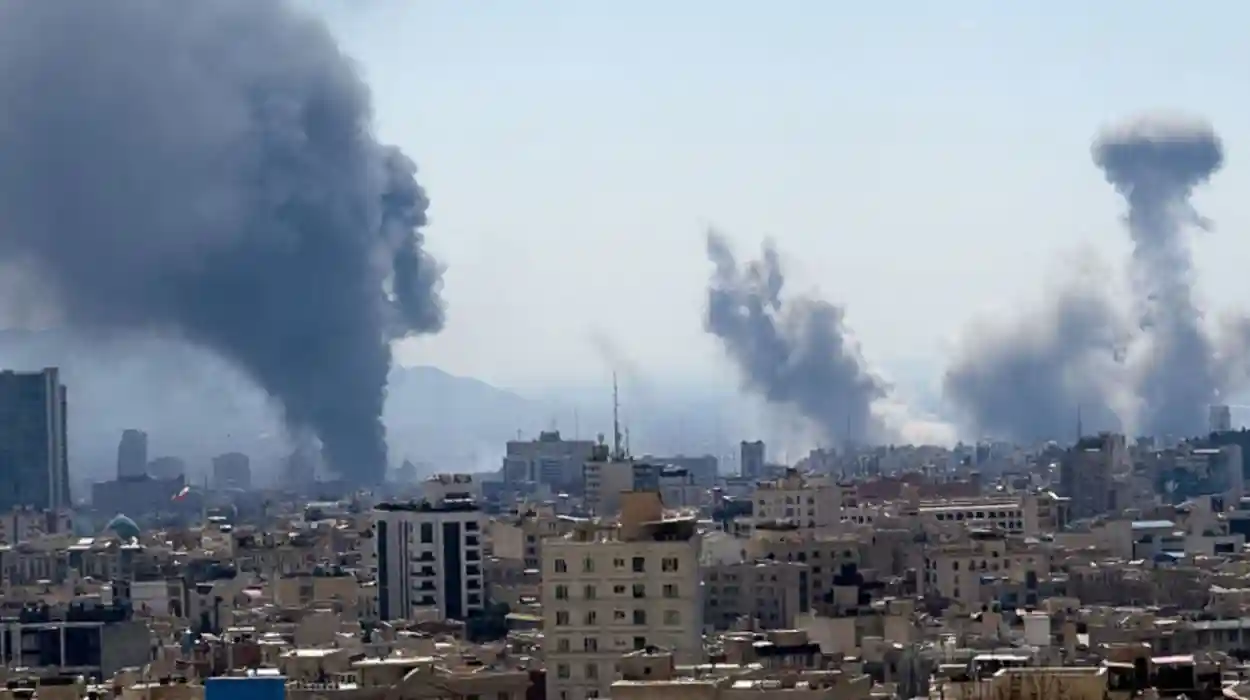
Global oil benchmarks advanced as Iranian officials rejected claims of imminent negotiations with the United States, reinforcing concerns about supply continuity across key energy corridors. Traders cited risk premiums linked to regional tensions, shipping insurance costs, and refinery procurement strategies. Market participants monitored official statements, freight data, and inventory signals while recalibrating positions across futures curves and options markets.
Energy authorities in Iran said reports suggesting renewed dialogue were inaccurate, reiterating that policy positions remain unced. Spokespersons emphasized national priorities and legal considerations governing external engagement. The clarification arrived as importers evaluated procurement schedules and storage capacity, balancing commercial needs with uncertainty surrounding transit routes and contractual performance obligations.

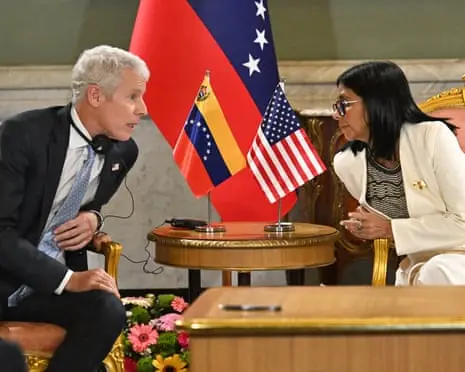
In Washington, officials maintained that diplomatic channels remain available, while declining to discuss private communications. Analysts said mixed messaging can amplify volatility when markets seek directional cues. Advisory notes highlighted the influence of headline risk on pricing models, margin requirements, and hedging behavior across energy intensive industries and commodity linked currencies.
Shipping data from the Strait of Hormuz drew attention as insurers reassessed exposure and premiums. Maritime operators reviewed routing options, convoy coordination, and compliance procedures. Port authorities and logistics firms emphasized continuity planning, aiming to minimize disruptions that could ripple through refining hubs, petrochemical complexes, and downstream distribution networks serving consumers and manufacturers.
Market strategists observed that price formation reflects both physical balances and sentiment indicators. Inventory reports, refinery maintenance cycles, and seasonal demand forecasts intersect with geopolitical narratives. Funds adjusted exposure through spreads and structured products, seeking resilience against sharp moves while preserving liquidity for opportunistic positioning as information flows evolved across global trading sessions.
Industry groups called for transparent communication to reduce rumor driven swings. They recommended standardized reporting on production, exports, and transit conditions, enabling evidence based assessments. Regulators monitored market conduct and disclosure practices, reminding participants of compliance obligations and surveillance frameworks designed to maintain orderly trading and investor confidence during heightened uncertainty.
Economists said sustained price pressure could influence inflation expectations, fiscal planning, and consumer spending patterns. Policymakers weighed targeted support measures against long term transition goals. Observers concluded that coordinated dialogue, maritime safeguards, and credible data will shape energy outlooks, guiding investment decisions and risk management strategies across interconnected markets worldwide in coming cycles.















Leave a comment