
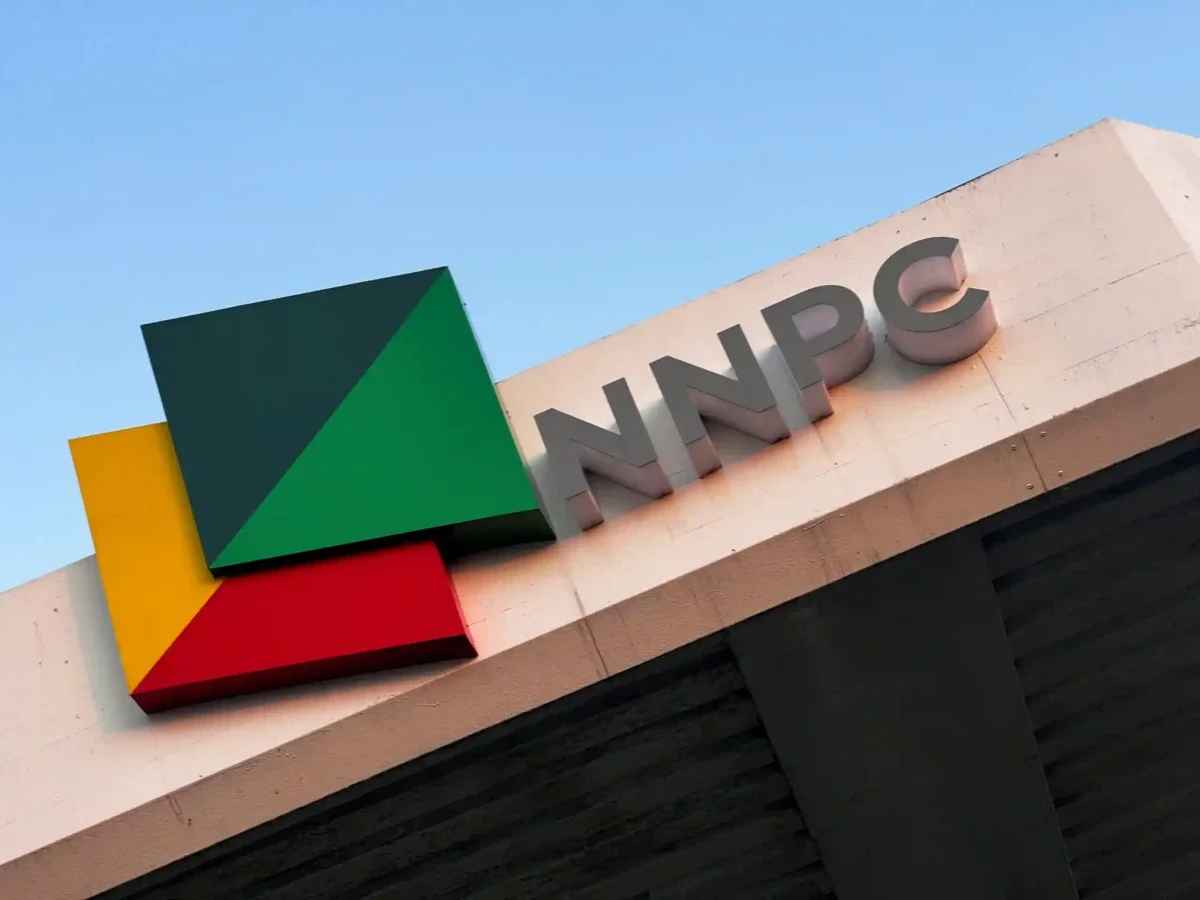
The Nigerian National Petroleum Company Limited and the Nigerian Upstream Petroleum Regulatory Commission have remitted over N322bn and $116.9m into the Federation Account within two months following the implementation of Executive Order 9 signed in February 2026.
Documents presented at Federation Account Allocation Committee meetings showed that the remittances were made after the Federal Government directed full transfer of crude oil and gas revenues into the Federation Account to improve transparency and boost national revenue inflows.

The policy, known as Executive Order 9, was signed by President Bola Tinubu and is aimed at addressing long standing revenue leakages, overlapping deductions, and structural inefficiencies in the oil and gas sector.
According to official FAAC records, the NNPC remitted $29.28m and N42.64bn for March 2026 crude oil and gas receipts shared in April 2026, while a much larger remittance of $87.63m and N121.34bn was recorded for February 2026 receipts shared in March.
The documents revealed that the funds were generated from multiple sources including Production Sharing Contract profits, crude oil exports, domestic crude sales to refineries, gas earnings, and other miscellaneous revenues.
The upstream regulator also confirmed separate remittances of N34.2bn in March 2026 from royalties, gas flare penalties, concession rentals, and other oil related income.
A breakdown showed that oil and gas royalties accounted for N18.69bn, gas flare penalties contributed N10.2bn, while concession rentals and miscellaneous revenues made up the rest.
However, the March figures reflected a sharp decline compared to February, mainly due to reduced royalty collections and lower gas flare penalty revenue.
The implementation of the executive order has been described as a major reform aimed at increasing federation revenues at a time when Nigeria is facing fiscal pressure, rising debt obligations, and increased spending needs.
The World Bank has also urged full enforcement of the policy, recommending that all ministries departments and agencies be moved to transparent budget funding while eliminating deductions at source.
Analysts say the policy could significantly increase monthly allocations to federal state and local governments if sustained over time, potentially improving infrastructure funding and economic ility.
You May Like
















Leave a comment