

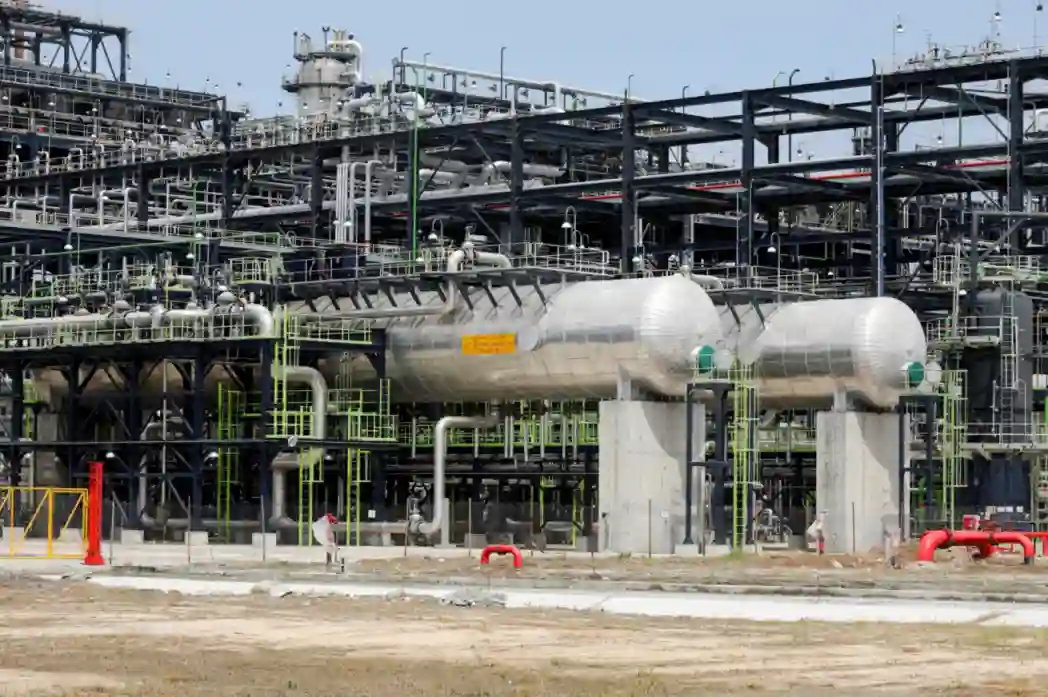
Oil producers in Nigeria have supplied about 58.8 million barrels of crude oil to domestic refineries in the second quarter of 2026, surpassing the 55.1 million barrels allocated under the Domestic Crude Supply Obligation framework, according to the Nigerian Upstream Petroleum Regulatory Commission.
The development highlights increased upstream compliance with domestic supply requirements as Nigeria continues efforts to strengthen local refining capacity led by the Dangote Petroleum Refinery and several modular refineries across the country.

The Nigerian Upstream Petroleum Regulatory Commission disclosed that while 55.1 million barrels were officially allocated for domestic use during the quarter, producers offered a higher volume of 58.8 million barrels, reflecting growing pressure and willingness within the upstream sector to support local refining operations.
However, the commission noted that final figures for actual crude deliveries and conversion into refined products will be released after the May 2026 Domestic Crude Request Review and Production Curtailment Management meetings.
The Domestic Crude Supply Obligation framework, introduced under the Petroleum Industry Act, is designed to ensure local refineries receive priority access to crude oil before exports are considered, in order to reduce Nigeria’s dependence on imported refined petroleum products.
Despite the increase in offered volumes, challenges remain around pricing disputes, crude grade compatibility, and commercial terms under the “willing buyer, willing seller” arrangement that governs transactions between producers and refiners.
Industry stakeholders have pointed out that Nigerian producers typically sell Brent linked crude at premium prices, while many refineries prefer alternative grades such as West Texas Intermediate, which better align with their processing configurations.
This pricing and compatibility mismatch has contributed to ongoing supply tensions, with some refiners reportedly struggling to secure affordable domestic feedstock despite regulatory allocations.
The situation has also led to increased reliance on imported crude by some refiners, including the Dangote refinery, which has at times supplemented domestic supply with foreign crude sources.
A representative of the Crude Oil Refiners Association of Nigeria stated that pricing structures remain a major barrier to effective domestic crude utilization, calling for a more tailored framework that reflects local refining realities.
Meanwhile, plans are underway for a stakeholders’ roundtable involving the regulator, producers, and refiners to address pricing mechanisms, supply consistency, and commercial terms affecting crude allocation and utilisation.
The Federal Government continues to prioritise domestic refining as part of its broader energy security strategy, aiming to reduce fuel import dependence and strengthen local value addition in the oil and gas sector.
Experts say sustained compliance with the Domestic Crude Supply Obligation could improve refinery output, enhance energy self sufficiency, and reduce pressure on foreign exce reserves if pricing and logistics challenges are effectively resolved.
The final outcome of the second quarter supply cycle will depend on reconciliation meetings that will determine how much of the offered crude was actually delivered and converted into refined petroleum products.






















Leave a comment