

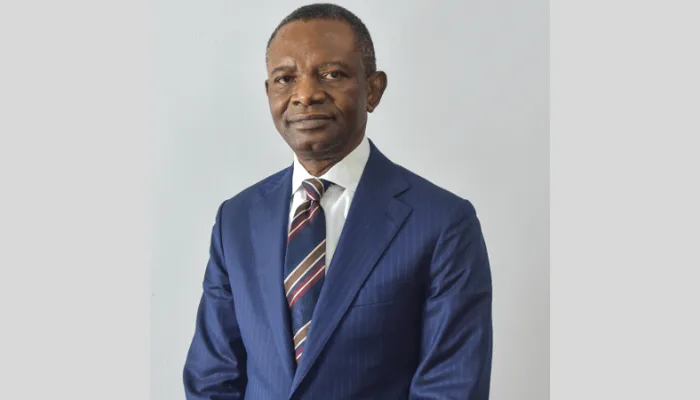
State governments across Nigeria are facing mounting pressure to demonstrate greater transparency and accountability in how they manage surging public revenues, as citizens demand evidence that billions of naira in allocations are translating into tangible improvements in their daily lives. Frank Aigbogun, Publisher of BusinessDay Media Limited and Chairman of BDTV, issued the challenge during the States Competitiveness and Investment Readiness Awards in Abuja on Thursday, calling on governors to prove their stewardship of resources that have grown substantially in recent years. The awards ceremony, which recognized subnational governments excelling in governance, infrastructure development, and economic reforms, served as a platform to spotlight both achievements and persistent shortcomings in public sector performance.
Aigbogun revealed that Nigeria’s 36 states collectively received approximately N16.94 trillion from the Federation Accounts Allocation Committee between 2023 and the first quarter of 2026, representing a significant boost in available resources for development projects. This massive inflow of funds has created an imperative for rigorous monitoring by government oversight bos, civil society organizations, and media institutions to ensure accountability. Yet despite these improved revenues, many states continue to grapple with poor budget implementation, weak transparency mechanisms, and limited public access to information about how taxpayer money is being spent.
Speaking to an aunce of government officials, business leaders, and investors, Aigbogun emphasized that the awards were not simply ceremonial recognitions but rather acknowledgments of vision, innovation, and the relentless pursuit of excellence that drives sustainable development. States honored at the event have distinguished themselves through impactful governance that creates jobs, fights poverty and insecurity, and positions their jurisdictions as attractive destinations for both domestic and foreign investment. The recognition serves to benchmark performance and encourage healthy competition among subnational governments striving to deliver measurable development outcomes for their populations.
The media publisher expressed frustration with the gap between resource availability and visible development outcomes, pointing to inadequate digital transparency as a critical obstacle to public confidence. He posed a pointed question about what potential investors browsing state government websites from abroad would actually find, suggesting that many online portals fail to provide meaningful information about policies, budgets, or achievements. Transparency is not merely about doing good work, he argued, but about ensuring that citizens and stakeholders can verify and appreciate that work through accessible channels of communication and accountability.
Beyond fiscal management, Aigbogun highlighted the escalating security crisis as a fundamental threat to Nigeria’s ility and economic progress, calling for unprecedented collaboration among state governments to address challenges that have evolved from regional concerns into a national emergency. He warned that failure to tackle insecurity comprehensively could come to define the country’s identity in damaging ways, urging governors to share successful strategies, build partnerships, and learn from one another’s experiences. Solutions to Nigeria’s intertwined security and economic challenges must emerge from within the country itself, he insisted, rather than relying solely on external interventions or fragmented state level responses.
As Nigerian states navigate competing demands for healthcare, education, infrastructure, and security amid rising public expectations, the imperative for transparent governance and competitive performance has never been more acute. Aigbogun positioned the awards platform as a neutral and credible mechanism for measuring which states are successfully translating policy announcements into economic results and development gains that citizens can see and feel. Looking ahead, the competition among states to attract investment, improve living standards, and demonstrate accountable stewardship of public resources will likely intensify, particularly as voters and investors alike demand evidence of competent leadership and effective governance capable of reversing trends of poverty and insecurity that have plagued the nation.
You May Like














Leave a comment