

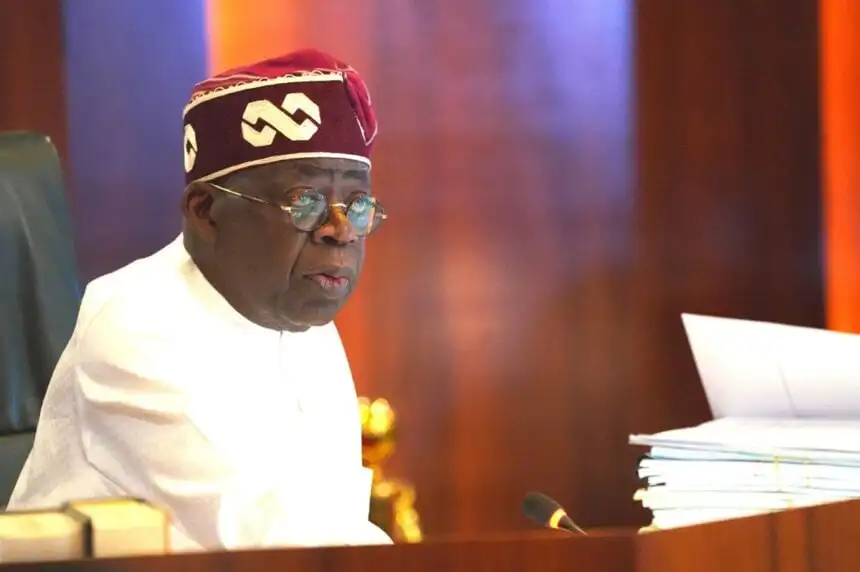
Nigeria’s presidency has sounded the alarm over what it describes as a sophisticated disinformation campaign using deepfake technology and religious manipulation to undermine President Bola Ahmed Tinubu ahead of the 2027 electoral cycle. The warning, issued Thursday by the Office of Digital Engagement and Strategy at State House, marks an escalation in concerns about artificial intelligence being weaponized for political purposes in Africa’s most populous nation.
According to the statement, manipulated videos with fabricated audio recordings are being circulated online with the deliberate intent to provoke religious tensions and turn Nigerian citizens against their president. One such video, featuring fake audio overlaid on manipulated footage and falsely attributed to a social media influencer, has already gained traction online. Another deepfake allegedly involving a religious leader is being distributed as part of what officials characterize as a calculated effort to incite Muslims against the administration. The presidency described the pattern as increasingly obvious and warned that desperate political actors would continue manufacturing outrage as the election season intensifies.
President Tinubu, a Muslim married to a Christian woman, has consistently emphasized his commitment to religious tolerance and national unity, according to the statement. Government officials pointed to his 2026 messages during both Lent and Ramadan, in which he stressed the shared values of Christianity and Islam rooted in compassion, sacrifice, justice, and peace. The presidency insisted that Nigeria remains a multi religious nation founded on constitutional freedom of worship and peaceful coexistence, principles that have guided Tinubu’s leadership across ethnic and religious lines throughout his political career.
The use of deepfake technology in political campaigns represents a growing global concern, but its deployment in nations with existing religious and ethnic tensions carries particularly dangerous implications. Nigeria, roughly divided between a predominantly Muslim north and largely Christian south, has experienced periodic outbreaks of sectarian violence throughout its history. Digital manipulation that exploits these fault lines poses a threat not merely to individual politicians but to national cohesion itself. Experts on disinformation have long warned that developing nations with lower digital literacy rates remain especially vulnerable to such tactics.
Officials are now calling on Nigerian citizens to exercise caution before sharing provocative content on social media platforms and messaging applications like WhatsApp. The statement posed a pointed question to the public: who benefits from setting citizens of different faiths against one another? This appeal to critical thinking reflects a broader strategy of inoculation against disinformation, encouraging users to pause and verify before amplifying potentially inflammatory material. The presidency characterized the phenomenon as coordinated manipulation at scale rather than isolated incidents.
Looking ahead, the government has promised enforcement action against those behind the deepfake campaign. Authorities indicated that individuals circulating fake and malicious content would be tracked and reported to law enforcement agencies under existing cybercrime laws, statutes against incitement and public mischief, and regulations governing the dissemination of false information capable of threatening public peace and national security. As Nigeria approaches what promises to be a contentious election cycle, the battle between authentic political discourse and manufactured outrage appears set to intensify, with technology serving as both weapon and battlefield in the struggle for public opinion.
You May Like












Leave a comment