


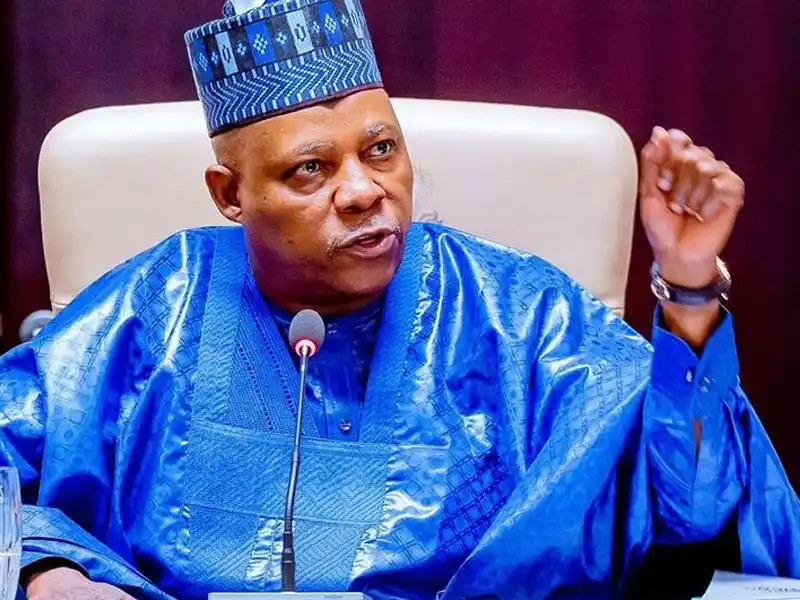
Nigeria’s dependence on imported vehicles and spare parts has continued to rise sharply, with the country spending over N6.54 trillion on transport equipment and automobile parts between 2023 and 2025, according to the Director General of the National Automotive Design and Development Council, Oluwemimo Osanipin.
Osanipin disclosed the figures during the opening of the West African Automotive Summit in Lagos, where he expressed concern over the growing import bill and its impact on Nigeria’s local automotive industry.

According to data from the National Bureau of Statistics cited at the summit, Nigerians spent more than N4.3 trillion on imported vehicles within the period. Overall imports of transport equipment and spare parts reportedly increased from N3.15 trillion in 2023 to N6.54 trillion in 2025, representing a 107 percent rise within two years.
Speaking on the summit theme, “After Sales as a Growth Engine,” Osanipin stressed that the future of Nigeria’s automotive sector depends not only on vehicle sales but also on efficient maintenance services, spare parts distribution, warranties, technical support, and customer satisfaction.
He explained that countries with successful automobile industries developed strong after sales systems that support local manufacturing, create employment opportunities, and improve consumer confidence in locally assembled vehicles.
Osanipin warned that weak after sales services discourage investment and reduce trust in local automobile brands. He added that improving customer support and technical services would encourage Nigerians to embrace locally assembled vehicles and support the Federal Government’s industrialisation agenda.
The NADDC boss also highlighted the importance of continuous training for technicians and service personnel, especially as the industry gradually adopts electric and hybrid vehicle technology across global markets.
Stakeholders at the summit discussed strategies for improving local content development, technical expertise, sustainable mobility solutions, and stronger automotive infrastructure across Nigeria and West Africa.




















Leave a comment