

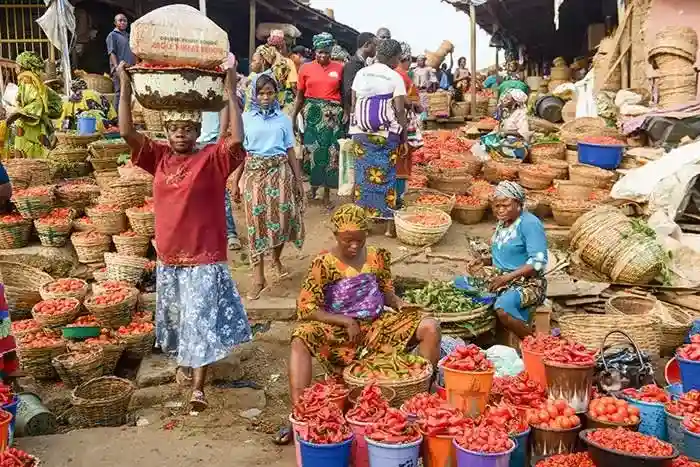
Nigeria may be heading toward a renewed food crisis later in the year, as shifting market forces, declining agricultural incentives, and persistent insecurity combine to create what experts describe as a dangerous economic paradox.
In recent years, the country experienced severe food inflation, with headline inflation previously nearing 35 percent. At that time, a 50 kilogram bag of rice sold between N80000 and N100000 depending on location, prompting government intervention at multiple levels. Authorities introduced monitoring committees, anti hoarding measures, and even involved security agencies such as the Nigerian Customs Service and military personnel in efforts to curb alleged food smuggling and price manipulation.
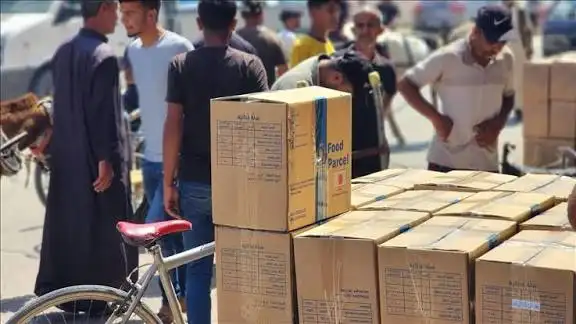
However, despite these interventions, economists argue that the real driver of price increases was reduced supply caused by poor harvests, insecurity in farming regions, and low productivity.
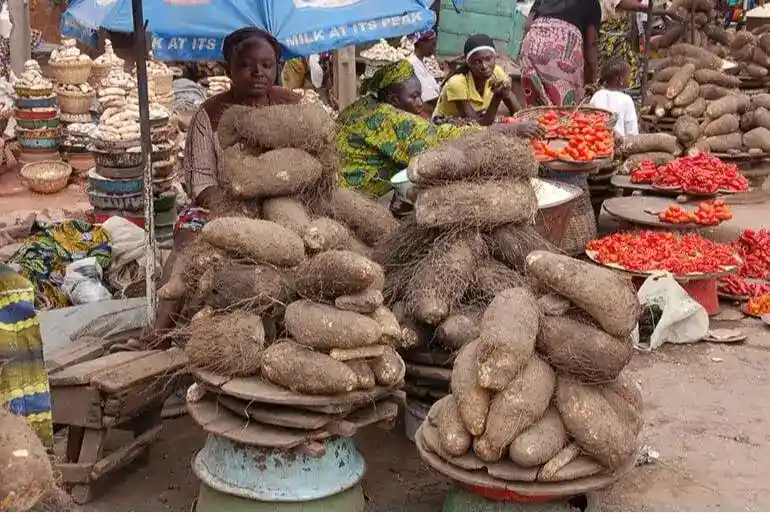
The current situation appears to be reversing. Improved supply conditions and some level of food imports have led to falling prices for several commodities. While consumers welcome the relief, farmers are now facing heavy losses as market prices drop below production costs.
This situation reflects a classic supply and demand cycle where high prices encourage production, but increased output eventually leads to oversupply and price collapse. Experts warn that such boom and bust cycles can unbalance agriculture if not properly managed.
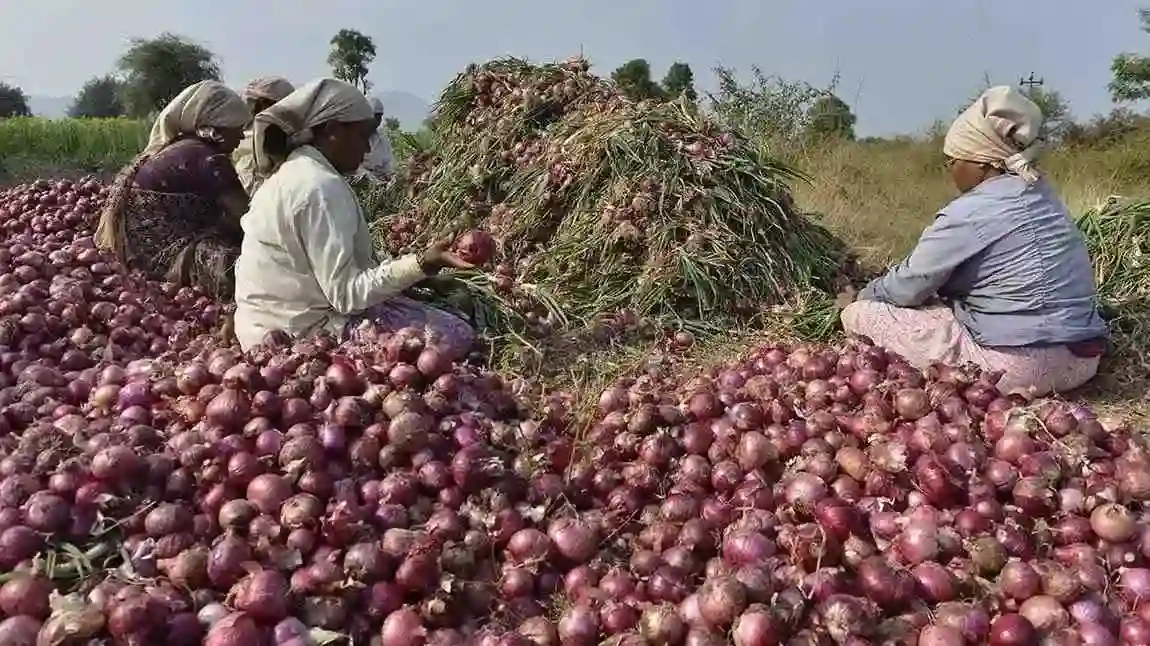
There are growing concerns that many farmers, especially in northern Nigeria, are reducing cultivation due to insecurity, kidnapping risks, and low profitability. Some are reportedly returning to subsistence farming, raising fears of future shortages once current stock levels are exhausted.
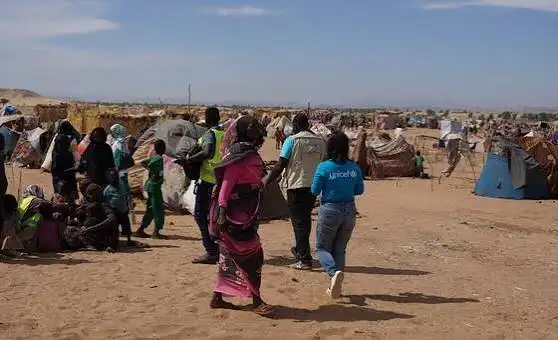
A recent projection by the United Nations World Food Programme indicates that about 55 million people across West and Central Africa could face crisis levels of hunger during the 2026 lean season, with Nigeria expected to be significantly affected due to its population size and regional vulnerability.
Analysts also argue that the recent drop in food prices may be misleading, driven not only by increased supply but also by weakening demand as more Nigerians can no longer afford certain food items. This creates an illusion of abundance while underlying production challenges persist.
Agricultural policy experts have called for urgent government intervention, including the activation of strategic food reserves and silos originally developed under earlier infrastructure programs such as the Directorate of Food, Roads and Rural Infrastructure.
They warn that without proactive measures, Nigeria risks repeating a cycle of scarcity, price spikes, and food insecurity that could worsen existing poverty levels.
The broader concern remains that agriculture, if left entirely to market forces without adequate planning and security support, may continue to experience unle cycles that threaten national food security.

















Leave a comment