

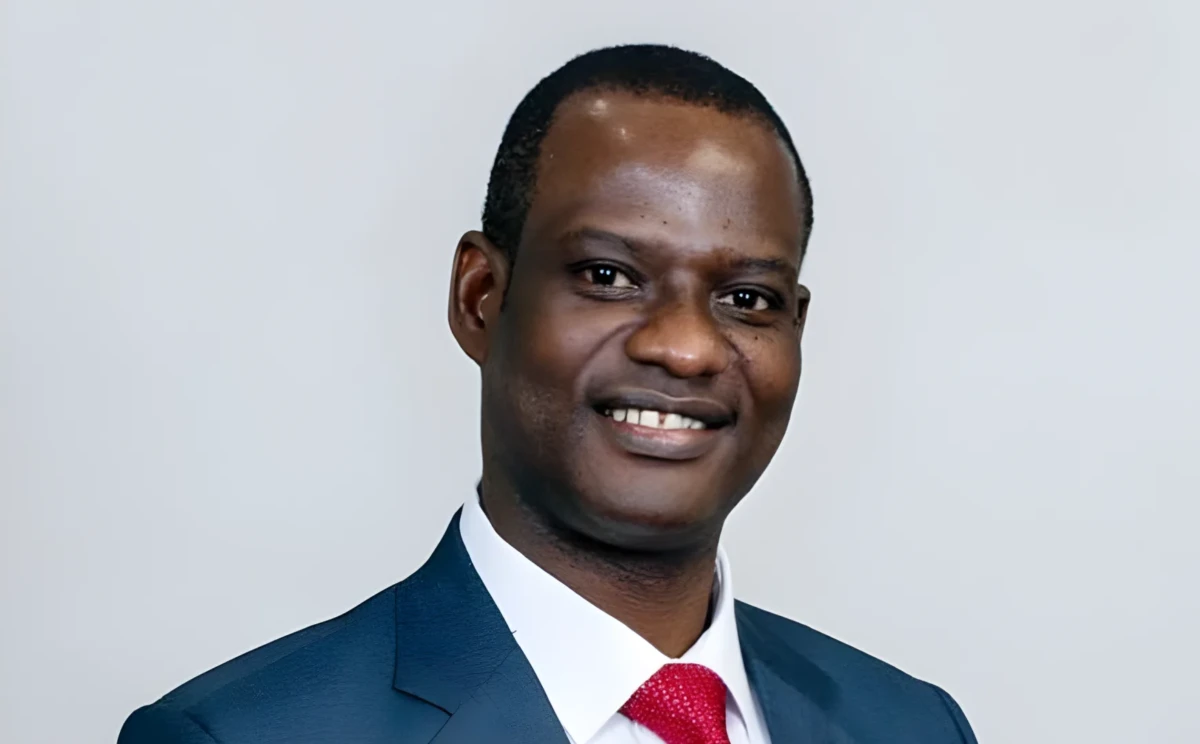
The Minister of Finance and Coordinating Minister of the Economy, Taiwo Oyedele, has warned that Nigeria can no longer rely heavily on borrowing to finance national development, stressing the need for a more sustainable fiscal system capable of supporting long term economic growth.
Oyedele made the statement on Tuesday in Abuja while speaking at the 28th Annual Tax Conference of the Chartered Institute of Taxation of Nigeria.
His remarks came shortly after reports that the Federal Government had intensified discussions with the World Bank over a fresh $1.25 billion loan aimed at supporting economic reforms, job creation, and improved competitiveness.
The minister said Nigeria must urgently shift away from debt driven development and focus on building a stronger revenue base that can sustainably fund critical sectors such as infrastructure, education, healthcare, security, and social protection.
According to him, sustainability goes beyond revenue generation and includes promoting inclusive growth, reducing inequality, protecting vulnerable groups, and improving productivity across the economy.
Oyedele explained that ongoing tax reforms are designed to strengthen fiscal ility, improve fairness, and make the economy more attractive to investors. He noted that Nigeria’s tax system has suffered for years from structural challenges including multiple taxation, weak compliance, fragmented administration, and a narrow revenue base.
He added that many businesses have struggled with overlapping tax demands, unpredictable enforcement, and rising compliance costs, while citizens often view the system as unfair due to uneven burden distribution.
The minister said the reforms aim to simplify taxation, improve transparency, reduce distortions, and strengthen trust between citizens and government. He also disclosed that minimum wage earners have been exempted from personal income tax, while low and middle income earners will experience reduced tax pressure.
On corporate taxation, Oyedele said the government is considering lower company income tax rates to improve Nigeria’s competitiveness and attract more investment. He also highlighted reforms in Value Added Tax administration aimed at expanding input credits, clarifying exemptions, and reducing inflationary pressures.
He further revealed that efforts are ongoing to harmonise taxes across states, with at least 15 states already adopting tax harmonisation laws to reduce duplication and improve compliance efficiency.
Oyedele emphasised that technology will play a central role in the new tax system through automation, digital filing, and improved data integration to enhance compliance and transparency.
Vice President Kashim Shettima, represented by Dr Tope Fasua, also defended the reforms, describing them as pro people and pro business initiatives aimed at reducing poverty and strengthening economic growth.
He said the administration of President Bola Tinubu is working to build an economy where Nigerians can thrive regardless of background, while also improving the global competitiveness of locally produced goods.
Shettima acknowledged concerns over public scepticism but insisted that the reforms are designed for long term national benefit and require stronger public sensitisation.
The Chairman of the Chartered Institute of Taxation of Nigeria, Innocent Ohagwa, described the reforms as the most significant overhaul of the country’s fiscal system in over three decades, noting improvements in revenue performance and debt servicing ratios.
Other stakeholders including Minister of Power Joseph Tegbe and former Edo State Governor Adams Oshiomhole also expressed support for the reforms, with Oshiomhole calling for a fairer tax system that ensures high income earners contribute more to national development.


















Leave a comment