

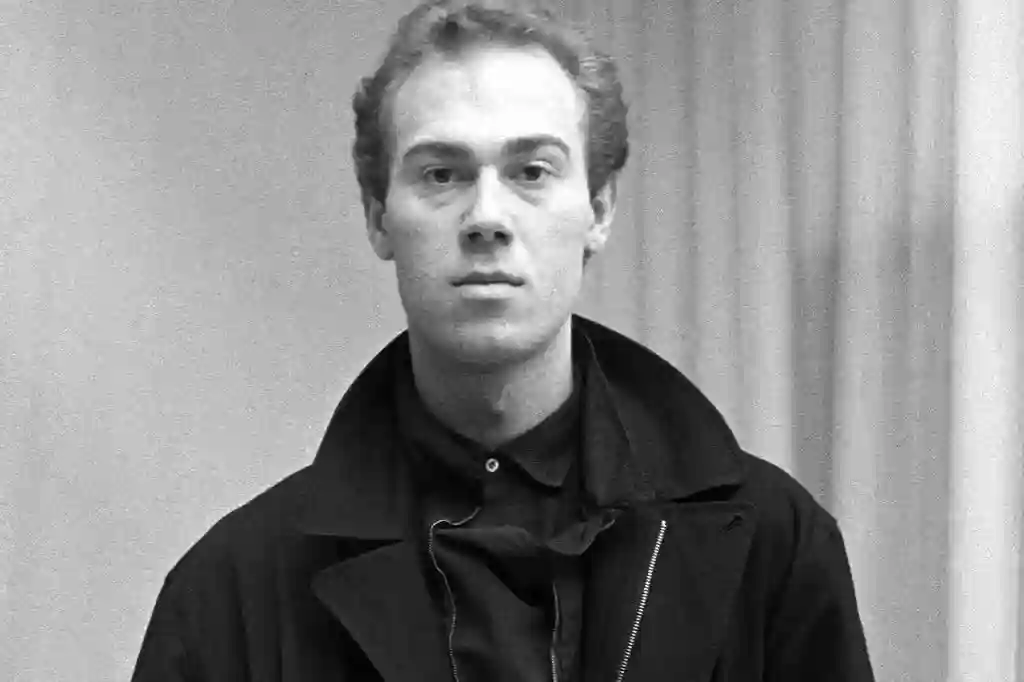
One of fashion’s most enigmatic figures has emerged from decades of self-imposed obscurity to share treasures from his creative vault. Martin Margiela, the reclusive Belgian designer whose radical approach to fashion revolutionized the industry in the 1990s, has put his personal archives up for auction in Paris, offering collectors and institutions an unprecedented opportunity to own pieces of fashion history.
Margiela built his reputation on anonymity and innovation in equal measure. His deconstructed garments and upcycled aesthetic challenged every convention of luxury fashion during an era dominated by logo driven excess. Rather than courting celebrity, he famously refused interviews and avoided being photographed, allowing his designs to speak entirely for themselves. His fashion house operated under a collective identity, with all communications attributed simply to “Maison Martin Margiela” rather than the designer personally.

The archive sale represents a remarkable shift for someone who has spent the better part of three decades avoiding the spotlight. Since leaving his eponymous label in 2009, Margiela has pursued fine art projects while maintaining his characteristic distance from the fashion world. His willingness to part with personal materials signals either a desire to cement his legacy or perhaps a recognition that these artifacts belong in the broader cultural conversation rather than hidden away in private storage.
Fashion historians and collectors have long regarded Margiela’s work as among the most influential of the late twentieth century. His techniques, from exposing garment construction to repurposing vintage materials, anticipated contemporary fashion’s current obsession with sustainability and transparency. Young designers today still reference his conceptual approach, even if they have never seen his original pieces in person.
The auction includes sketches, prototypes, finished garments, and ephemera documenting his creative process from the early days of his independent label. Museum curators and private collectors are expected to compete fiercely for key lots. Prices for rare Margiela pieces have climbed steadily in recent years as fashion institutions race to acquire examples of his work for permanent collections.
Whether this auction signals a broader reengagement with the public or simply a practical decision to disperse materials accumulated over decades remains unclear. What seems certain is that scholars, students, and admirers of conceptual fashion will finally gain access to primary source materials that illuminate one of the discipline’s most mysterious creative minds. For an industry that often values spectacle over substance, Margiela’s quiet emergence reminds us that truly transformative work speaks loudest when its creator steps aside.
You May Like





















Leave a comment