


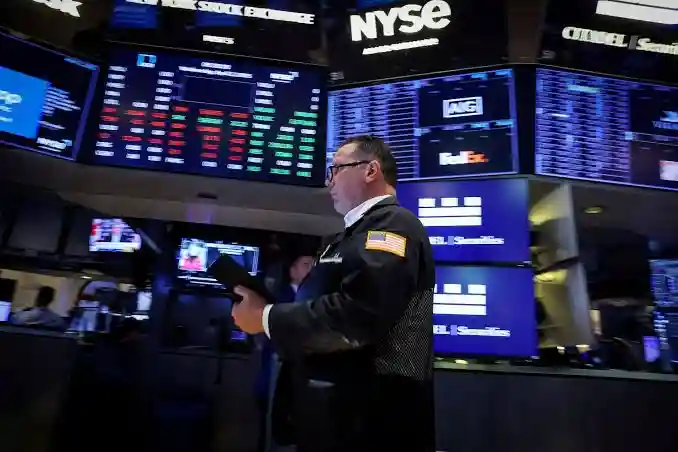
Global financial markets opened the week with a powerful surge of optimism as diplomatic channels between Washington and Tehran showed signs of thawing after years of escalating tensions. Investors who had spent months watching geopolitical risk premiums climb across energy and equity markets suddenly found reason to breathe easier, sending stock indices higher and oil prices lower in synchronized relief.
At the heart of this market euphoria lies a carefully crafted declaration of intent between the United States and Iran, one that diplomats hope to formalize during meetings scheduled for Geneva later this week. According to sources familiar with the negotiations, the draft agreement centers on elishing a 60 day window for substantive talks between the two nations. During this period, both sides would observe a ceasefire arrangement while working through the complex web of issues that have kept them at loggerheads for decades.
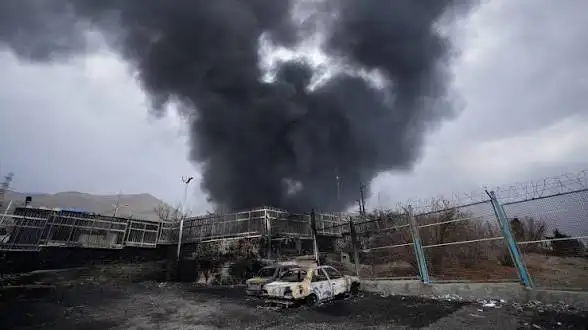
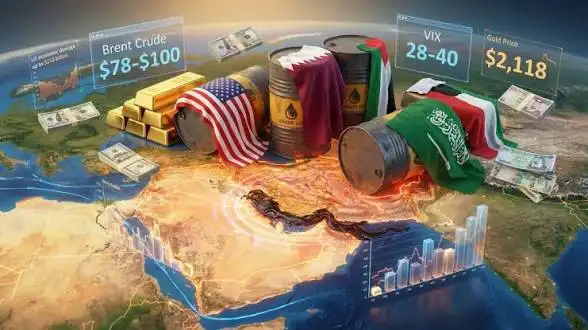
The timing of this diplomatic overture could hardly be more significant for global markets. Energy traders have been pricing in substantial risk premiums amid fears that any military confrontation in the Persian Gulf could disrupt critical shipping lanes and constrict oil supplies. With roughly one fifth of the world’s petroleum passing through the Strait of Hormuz, even the hint of conflict in the region sends ripples through commodity markets and threatens to reignite inflationary pressures that central banks have worked tirelessly to contain.
Currency markets registered the shift in sentiment immediately, with traditional safe haven assets like gold and the Japanese yen retreating as investors rotated back into riskier positions. European stock markets, which have been particularly sensitive to energy price volatility given the continent’s dependence on imported fuel, posted some of the strongest gains. Meanwhile, defense sector stocks that had enjoyed a sustained rally on geopolitical tensions saw profit taking as traders recalibrated their exposure.
Analysts caution that markets may be getting ahead of themselves given the preliminary nature of the agreement. Previous attempts at rapprochement between Washington and Tehran have foundered on issues ranging from nuclear enrichment to regional proxy conflicts to the fate of detained nationals. Success in Geneva will require both sides to navigate domestic political opposition while addressing legitimate security concerns that have fueled mistrust for generations. Still, the mere fact that senior officials are willing to sit down together represents progress that seemed unlikely just months ago.
Looking ahead, investors will be watching Geneva closely for any signs that the 60 day negotiating window can produce concrete results rather than simply deferring difficult decisions. If diplomats can forge a durable framework for reducing tensions, markets could see a sustained unwinding of geopolitical risk premiums that would benefit everything from airline stocks to emerging market bonds. Conversely, any collapse in talks could trigger an even sharper reversal as traders who positioned for peace scramble to hedge renewed conflict risk. For now, cautious optimism prevails, but the coming weeks will test whether this week’s market relief proves fleeting or marks the beginning of a genuine de-escalation in one of the world’s most volatile flashpoints.
















Leave a comment