

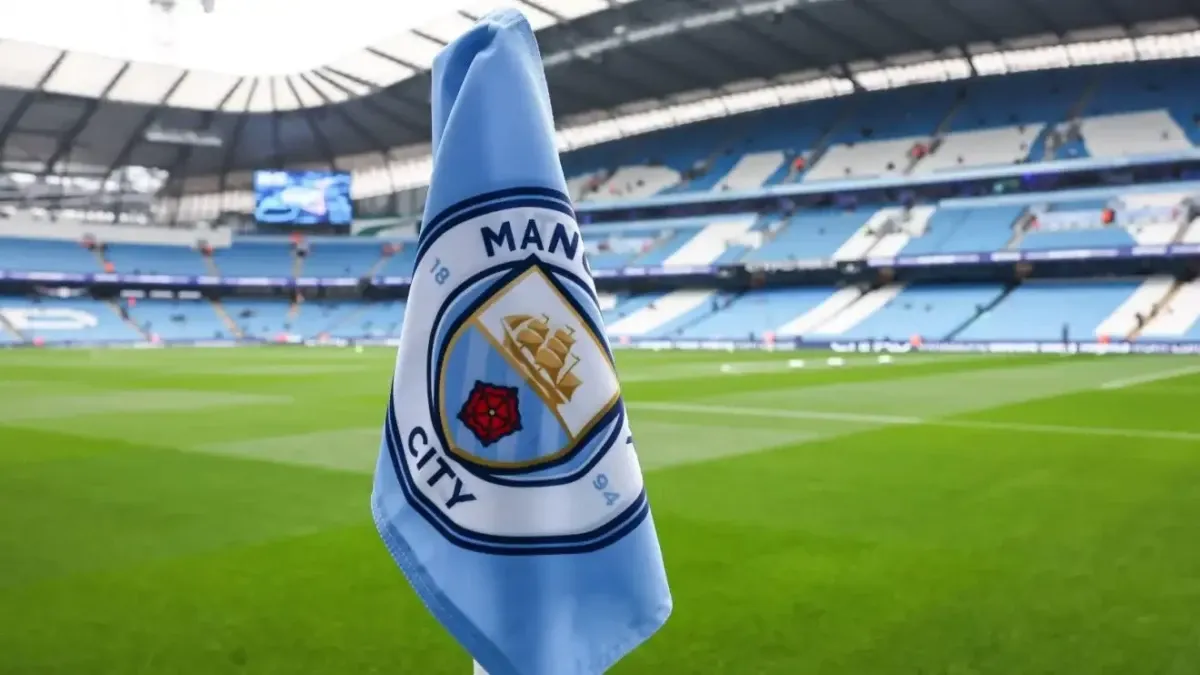
Manchester City is now valued at a staggering £7.5 billion, according to chairman Khaldoon Al Mubarak, who has firmly rejected any suggestion that owner Sheikh Mansour might consider selling the club despite ending a season without major silverware. Speaking in his traditional end of season interview, Al Mubarak painted a picture of relentless value creation since the Abu Dhabi royal acquired the club in 2008 for what now appears a bargain price of around £100 million. The valuation places City comfortably ahead of Manchester United, which was valued at £5 billion when Sir Jim Ratcliffe made his investment in 2024, underlining the extraordinary financial transformation of English football’s most successful club of the past decade.
Al Mubarak traced the club’s remarkable financial trajectory through several milestone valuations, from the initial investment of between 100 and 120 million dollars through to the current estimate of over 10 billion dollars in potential market value. According to the chairman, City Football Group has consistently attracted investors at progressively higher valuations, reaching three billion dollars, then five billion, climbing through six and seven billion before surpassing eight billion dollars. Each time new investment arrived, Sheikh Mansour made what Al Mubarak described as a crucial decision to reinvest the capital back into the business rather than extracting profits, a strategy designed to compound growth and build long term value.
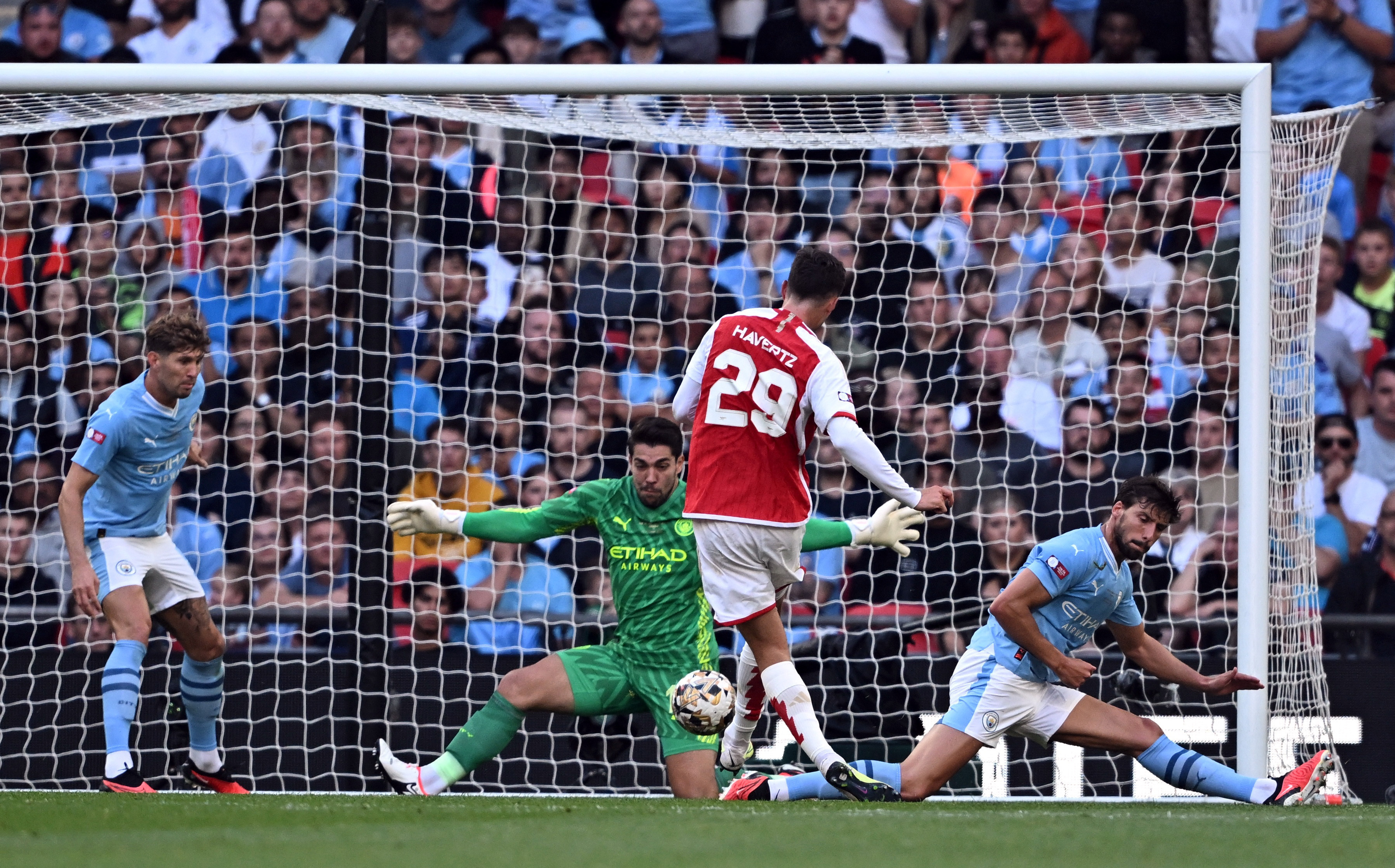
The valuation discussion comes at a pivotal moment for City, who have experienced their first sustained period without Premier League dominance since 2017. After winning multiple titles under Pep Guardiola’s transformative management, the club has now gone two consecutive seasons without claiming the English top flight trophy. Guardiola’s decade long tenure as manager concluded at the end of last season, marking the end of an era that delivered unprecedented success including multiple domestic titles and the club’s first Champions League trophy. The departure of such an iconic figure might typically raise questions about ownership commitment, but Al Mubarak was unequivocal in dismissing such speculation.
Explaining Sheikh Mansour’s long term vision, Al Mubarak emphasized that football remains an attractive investment precisely because of its enduring appeal in an increasingly fragmented entertainment landscape. While consumer attention shifts rapidly across different media and platforms, sport maintains a consistent ability to captivate aunces worldwide. Within the sporting universe, football occupies the premier position, and Manchester City, through its multi club City Football Group structure, has positioned itself at the pinnacle of the global game. These assets, which Al Mubarak described as jewels, are not candidates for divestment in the ownership’s view.
The chairman’s confidence reflects broader trends in football finance, where valuations have soared over the past two decades driven by lucrative broadcasting deals, commercial partnerships, and the global expansion of the Premier League brand. City’s transformation from a mid table English club to a global sporting powerhouse represents one of the most dramatic examples of how Gulf investment has reshaped European football’s competitive and financial landscape. The City Football Group model, which includes sister clubs across multiple continents, has created a diversified football business that extends far beyond the traditional single club ownership structure.
Looking ahead, City faces the challenge of returning to domestic dominance while navigating the transition to a new managerial era and maintaining the momentum that has driven such extraordinary value creation. Whether the club can sustain its valuation growth without the talismanic Guardiola at the helm remains an open question, though Al Mubarak’s bullish assessment suggests ownership believes the institutional strength built over nearly two decades will endure beyond any single personality. For Sheikh Mansour, who has transformed a relatively modest investment into what may now be football’s most valuable single club asset, the message is clear: this project remains a long term commitment rather than a financial exit opportunity, regardless of short term sporting fluctuations.
You May Like











Leave a comment