


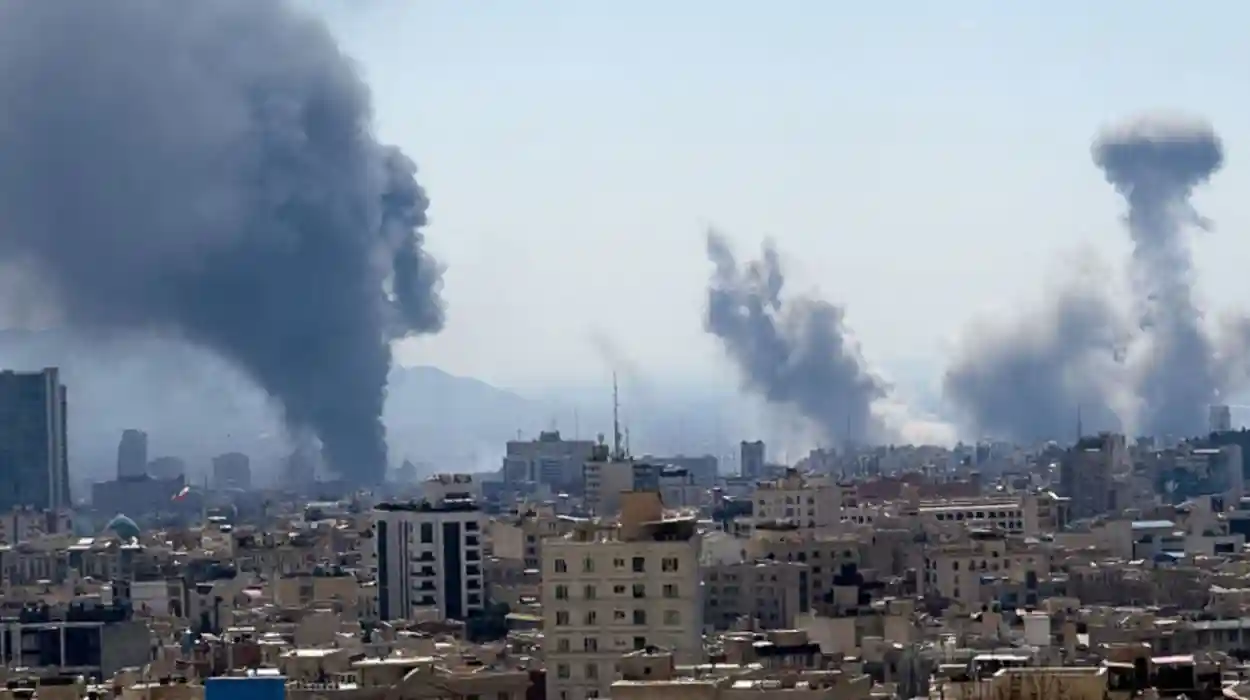
Major international banks have revised their outlook for global oil prices as ongoing tensions in the Middle East continue to create uncertainty across energy markets. Financial institutions that track commodity trends say prolonged disruptions to production facilities, shipping routes, and export infrastructure could tighten global supply conditions. As a result, analysts at several major banks are adjusting their projections for oil prices over the coming period.
Energy specialists working within global banking institutions have been closely monitoring developments affecting the Persian Gulf, a region that plays a central role in the international oil trade. The possibility of interruptions to production or transportation networks has led analysts to consider scenarios where global supply could decline while demand remains steady. Such conditions typically place upward pressure on crude oil prices and increase market volatility.
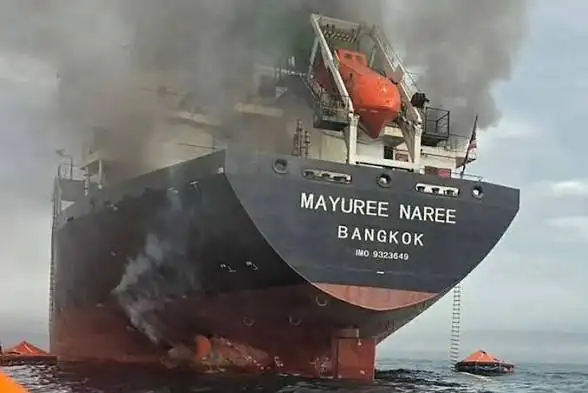
Banks that provide research for investors and energy companies have also highlighted the importance of shipping routes such as the Strait of Hormuz. A significant portion of the world’s crude oil shipments moves through this narrow waterway, linking Gulf producers with international buyers. If maritime traffic through the region becomes restricted, analysts warn that energy markets could experience rapid price movements as traders react to reduced supply availability.
Financial institutions say they are incorporating a wider range of geopolitical factors into their energy forecasts. In addition to supply concerns, banks are examining how prolonged regional tensions might affect investment in energy infrastructure and long term production capacity. These considerations are influencing how investors, governments, and large corporations evaluate their exposure to global energy markets.
The revised outlook from major banks highlights the growing sensitivity of oil prices to geopolitical developments. Energy markets often respond quickly to signals of supply disruption, particularly when they involve major producing regions. As the regional conflict continues to unfold, financial analysts say oil price expectations will remain closely tied to events affecting production facilities, export terminals, and maritime transportation routes.














Leave a comment