

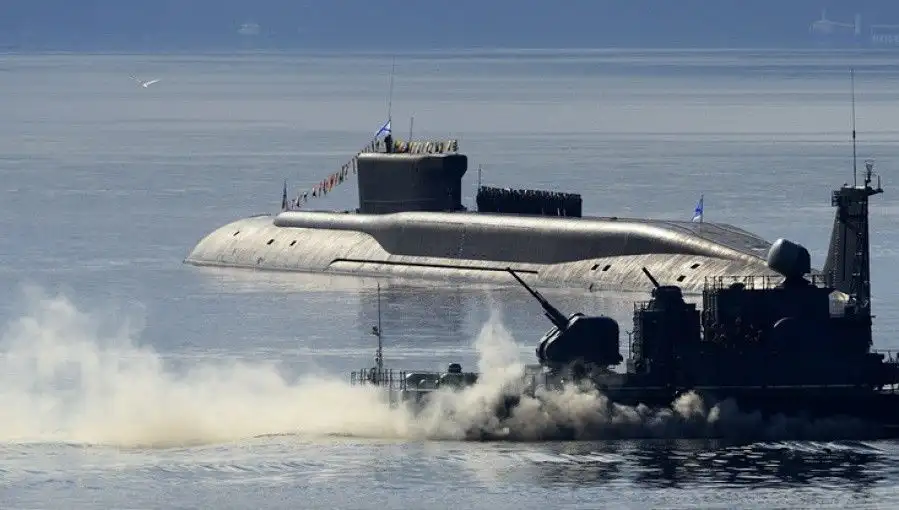
Russia has issued a stark reminder that it reserves the right to deploy nuclear weapons if the existence of the Russian state comes under existential threat, according to a senior Kremlin official who outlined Moscow’s nuclear doctrine in unambiguous terms. Presidential spokesman Dmitry Peskov, speaking to Swiss newspaper Weltwoche, characterized Russia’s position on nuclear weapons as straightforward and transparent. The country possesses the world’s largest arsenal of nuclear warheads, making any discussion of their potential use a matter of profound international concern.
Peskov described the nuclear doctrine as bold, simple, and understandable, emphasizing that the conditions for deployment are clearly defined. “If soing endangers the idea of the existence of the Russian state, then nuclear weapons will be used. Otherwise no,” the presidential aide stated. He dismissed other speculation about Russian military intentions as unfounded, appearing to push back against concerns voiced by European capitals about Moscow’s potential to trigger a broader regional conflict.

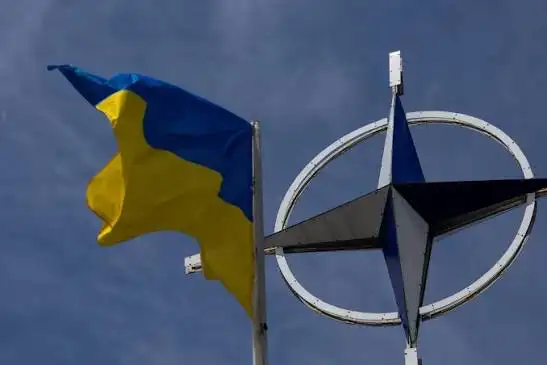
The comments come as NATO leaders gathered this week in Ankara to reaffirm their collective defense commitments and address what they characterized as the long term threat Russia poses to Euro Atlantic security and ility. Alliance members reiterated their obligations under mutual defense provisions, signaling continued unity in the face of what Western nations view as Russian aggression. Tensions between Russia and the Western alliance have reached levels not seen since the Cold War, with the conflict in Ukraine serving as the primary flashpoint.
Addressing the ongoing war in Ukraine, Peskov claimed that President Volodymyr Zelensky originally came to power promising his people he would end the conflict. According to the Kremlin spokesman, Zelensky retains the power to end hostilities by withdrawing Ukrainian forces from the Donbas region and other territories that Moscow now claims as part of the Russian Federation, as well as by recognizing the current situation as legally binding. Such demands represent a continuation of Russia’s insistence that Ukraine cede sovereign territory, conditions that Kyiv and its Western partners have categorically rejected.
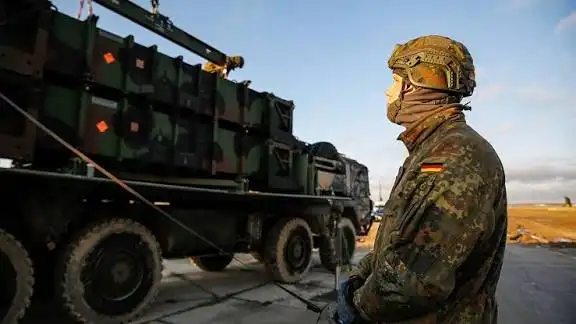
Peskov sought to reframe the conflict not as a war between Russia and Ukraine alone, but rather as a confrontation between Russia and a coalition of nations. He pointed to the substantial military assistance flowing to Kyiv from multiple European countries and the United States, describing millions of tons of weapons being supplied to Ukrainian forces. This characterization reflects Moscow’s longstanding narrative that it faces not just Ukraine but the collective might of NATO, despite the alliance not being a direct party to the conflict.
Looking ahead, the nuclear rhetoric from Moscow is likely to fuel continued debate within Western capitals about how to support Ukraine while avoiding escalation that could draw NATO into direct confrontation with a nuclear armed power. European and American policymakers face the delicate task of maintaining robust military assistance to Kyiv without crossing red lines that could trigger the very existential threat scenarios Peskov outlined. As diplomatic efforts continue alongside military operations, the international community remains focused on finding pathways to de escalation while preserving Ukrainian sovereignty and territorial integrity.












Leave a comment