

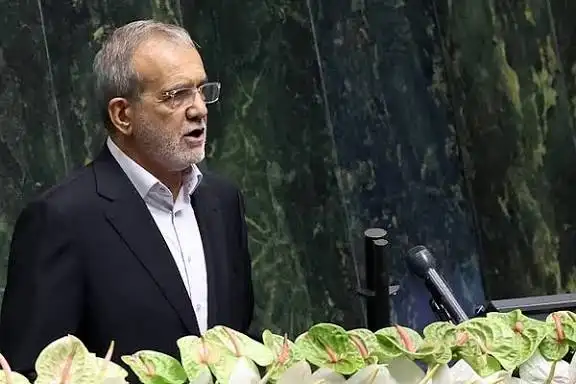
Iran’s president has declared that the country will not bow to external pressure as negotiations with the United States over its nuclear program enter a sensitive phase. The statement comes amid renewed diplomatic engagement aimed at managing tensions surrounding Tehran’s nuclear activities and international sanctions.
Speaking during a nationally broadcast address, President Ebrahim Raisi asserted that Iran would defend its sovereignty and interests while remaining open to dialogue. He emphasized that any agreement must respect the nation’s rights and ensure tangible economic benefits for its citizens.
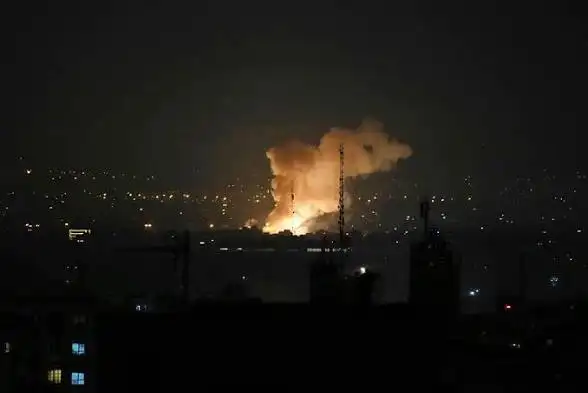
The talks seek to revive or reshape understandings related to the nuclear framework that once formed the basis of the Joint Comprehensive Plan of Action. That accord placed limits on Iran’s nuclear program in exce for sanctions relief, but it unraveled after the United States withdrew and reinstated penalties.
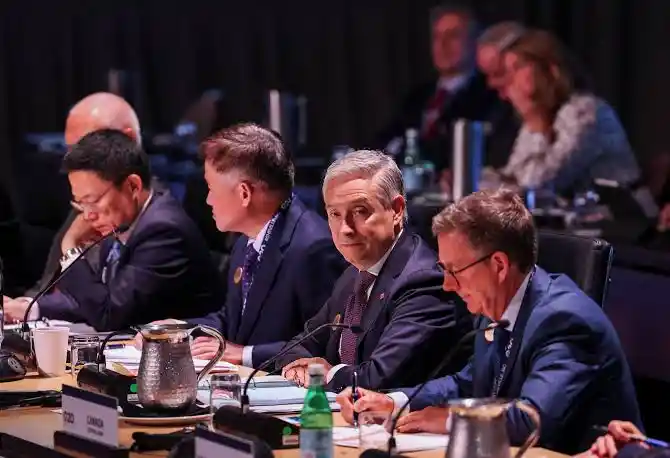
Negotiations have since proceeded intermittently, with both sides expressing cautious optimism while acknowledging significant gaps. U.S. officials have indicated that curbing Iran’s uranium enrichment levels remains a priority, citing concerns about regional security and proliferation risks. Tehran, for its part, has insisted on guarantees that future administrations will not abandon any new agreement.
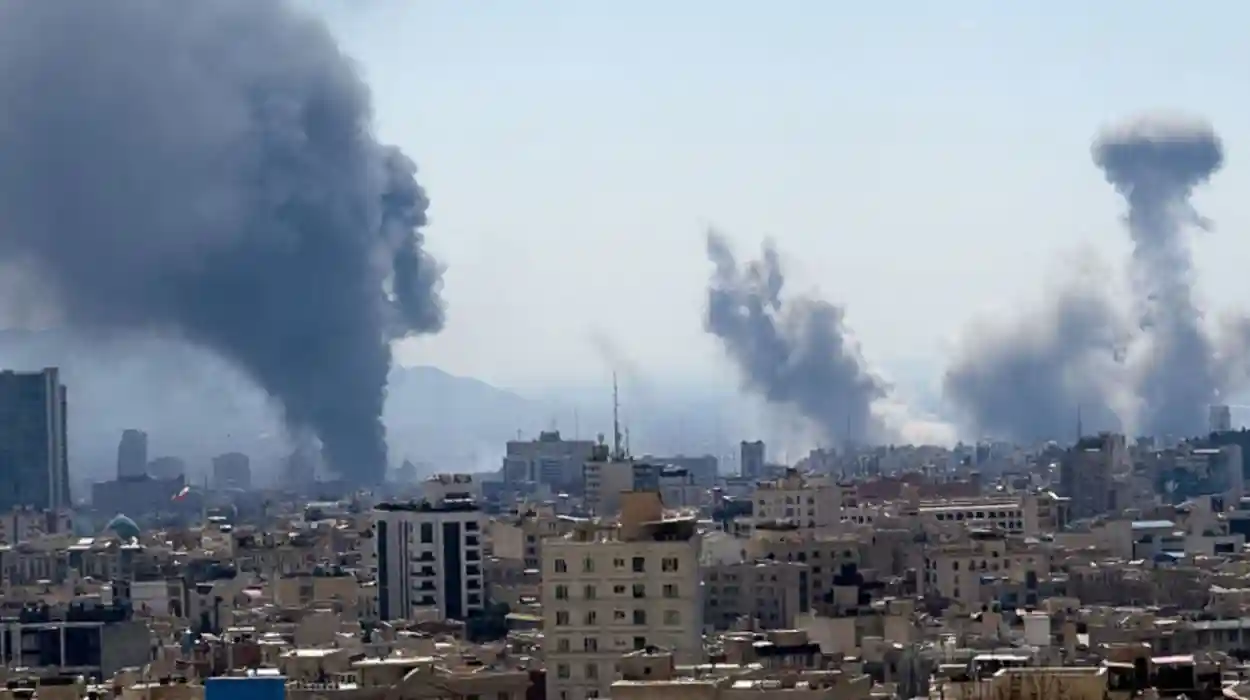
Regional actors are closely monitoring the developments, aware that the outcome could influence ility across the Middle East. Escalating rhetoric in recent months has fueled speculation about potential confrontation if diplomacy falters.
Economic pressures within Iran have added urgency to the discussions. Sanctions have weighed heavily on key sectors, contributing to inflation and currency volatility. Iranian leaders argue that relief from restrictions is essential to improving domestic conditions and restoring investor confidence.
Despite firm language rejecting pressure, analysts suggest that both Washington and Tehran recognize the high stakes involved. A breakthrough could ease geopolitical tensions and open avenues for broader cooperation, while failure might intensify confrontation and uncertainty.
As negotiations continue behind closed doors, President Raisi’s remarks reflect a balancing act between projecting resolve at home and signaling conditional openness abroad. The coming weeks are expected to test whether diplomatic momentum can overcome longstanding mistrust.










Leave a comment