

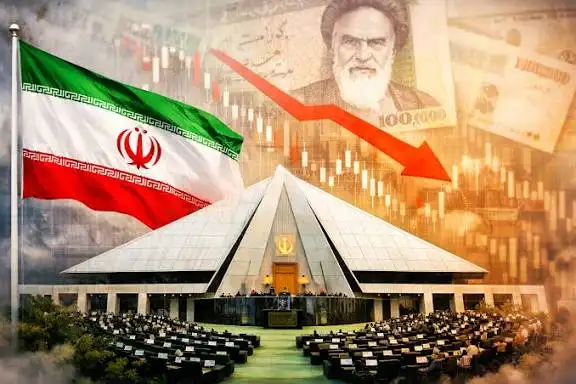
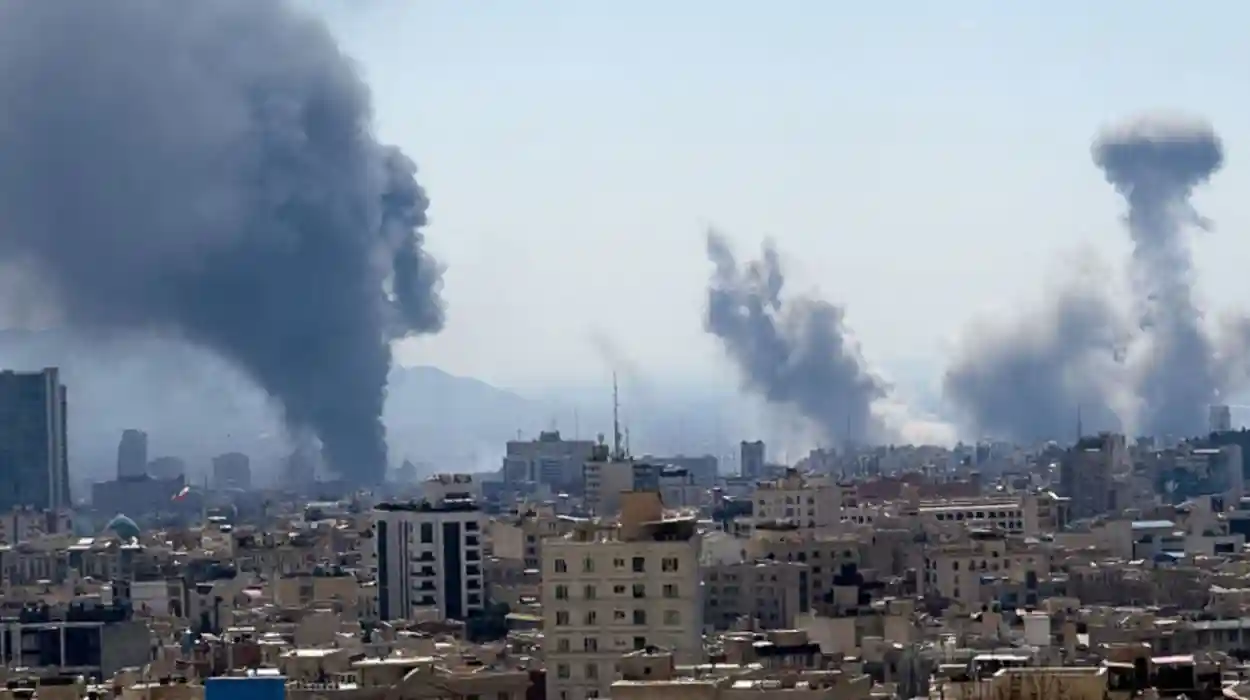
Iran has begun restructuring parts of its national economy to support sustained military and industrial activity as the confrontation with Israel and the United States continues. Government officials in Tehran say the adjustments are intended to ensure that essential industries remain operational while the country manages the growing demands created by the conflict. Economic planners are focusing on maintaining fuel supply, industrial production, and logistical networks that support both civilian needs and national defense requirements.
Authorities have introduced measures aimed at redirecting resources toward sectors considered critical during periods of national emergency. State controlled industries are reportedly increasing output in areas related to energy distribution, transportation, and manufacturing. Iranian officials say these steps are part of a broader effort to ensure economic resilience while the country navigates the pressure created by external military operations and international market uncertainty.
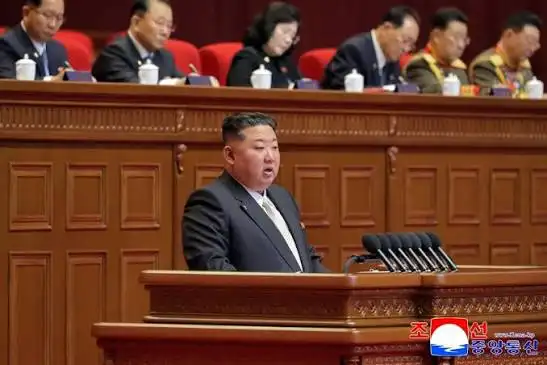
Economists observing the situation note that wartime economic strategies typically involve prioritizing domestic production and strengthening supply chains within national borders. Iran has long maintained systems designed to function under economic pressure due to years of international sanctions. Analysts say those experiences have shaped the country’s ability to adapt economic policies quickly during periods of geopolitical crisis.
The economic ces are also being felt by the wider population as authorities encourage conservation of fuel and other resources. Government messaging has focused on national unity and preparedness while highlighting the importance of maintaining ility in financial markets and everyday commerce. Officials have emphasized that essential services such as healthcare, transportation, and food distribution will continue operating despite the challenging environment created by the conflict.
International observers are closely watching how these adjustments may influence both Iran’s domestic economy and the broader regional economic landscape. A shift toward wartime production could alter trade patterns and energy supply dynamics if the conflict persists for an extended period. As the situation continues to evolve, analysts believe economic resilience will play a central role in determining how long each side can sustain the pressures of the confrontation.














Leave a comment