

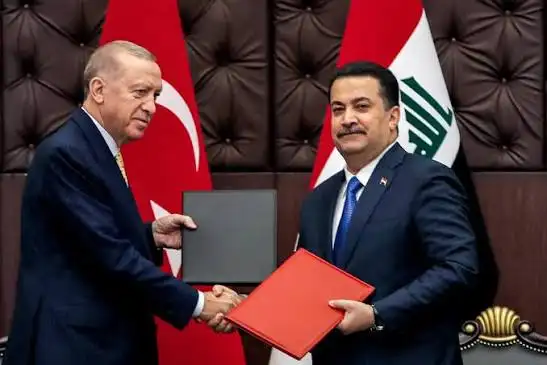
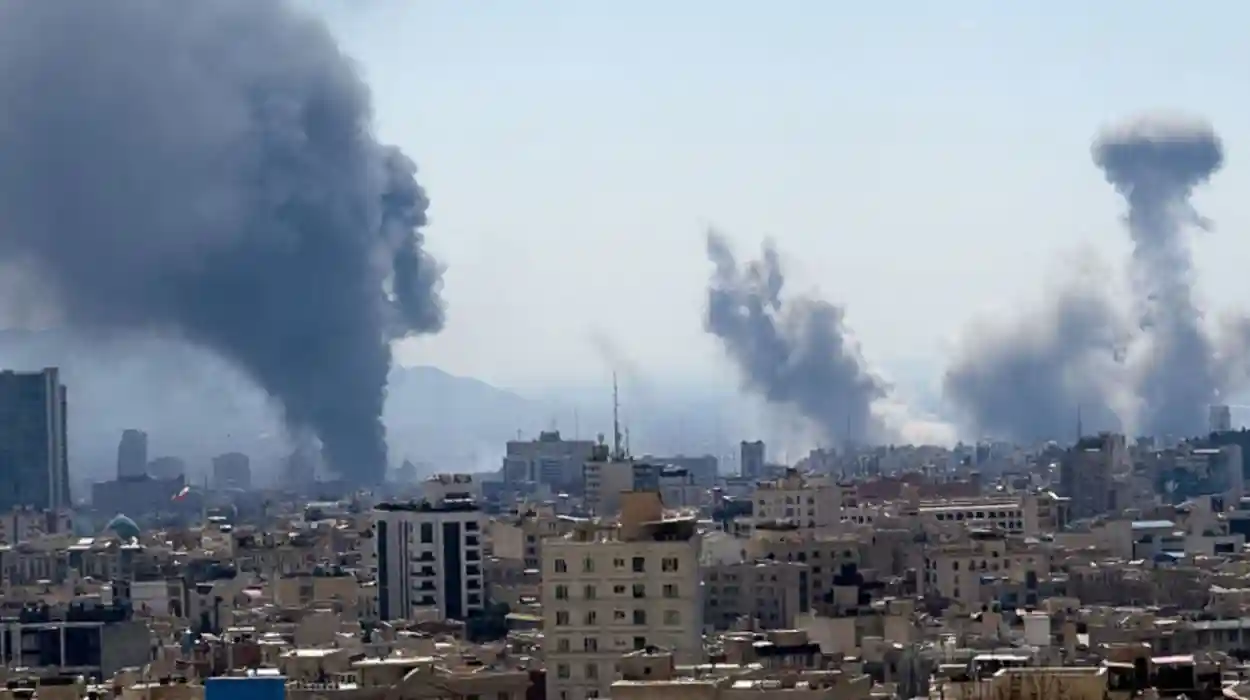
International leaders are intensifying discussions over potential ceasefire initiatives as the expanding conflict in the Middle East raises fears of a broader regional crisis. Diplomatic channels across multiple continents have been activated as governments attempt to explore pathways that could reduce hostilities and prevent further military escalation. The conversations reflect growing concern that continued fighting could deilize the region and create significant humanitarian and economic consequences.
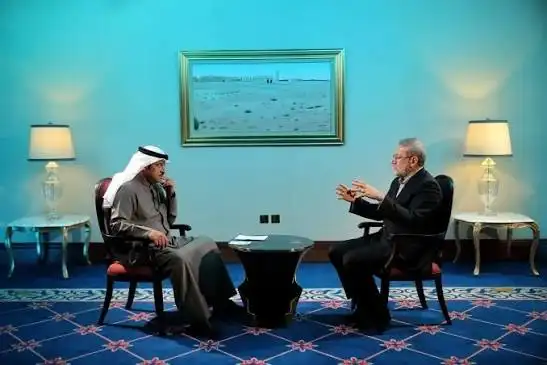
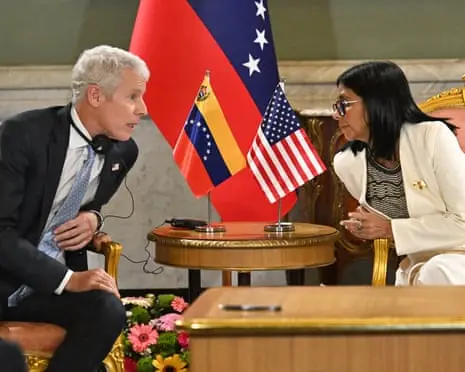
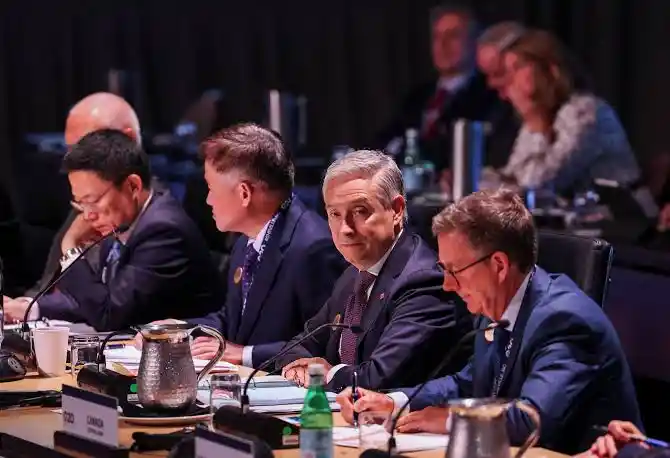
Senior officials from several countries have begun consulting with partners and allies in an effort to determine whether a coordinated diplomatic approach could encourage a temporary halt to military operations. These discussions have taken place through a variety of diplomatic platforms including bilateral meetings, emergency consultations, and international forums focused on security and conflict resolution. Leaders involved in the talks say that even a limited pause in hostilities could provide critical time for negotiations and humanitarian relief operations.

One of the central challenges facing diplomats is identifying conditions that all parties involved in the conflict would be willing to accept. Previous ceasefire proposals in regional conflicts have often stalled due to disagreements about security guarantees, monitoring mechanisms, and the sequence of steps required to reduce military activity. Analysts note that successful ceasefire arrangements typically require detailed frameworks that outline responsibilities for each side while also elishing ods for verifying compliance.
Humanitarian considerations are playing a major role in the push for ceasefire discussions. Aid organizations have warned that prolonged conflict could lead to severe consequences for civilian populations, including displacement, disruption of essential services, and shortages of medical supplies. Hospitals and emergency response teams in several areas of the region are already operating under heightened pressure as they prepare for potential surges in casualties if the conflict continues to intensify.
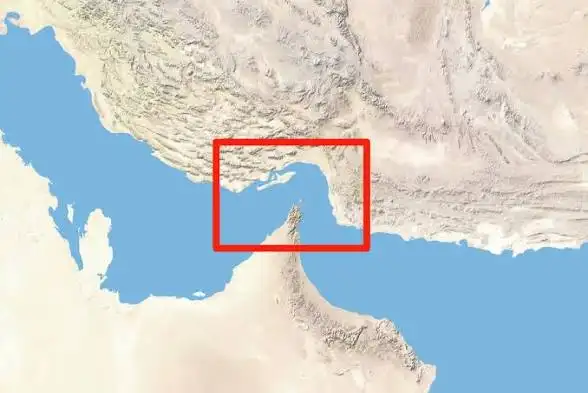
Economic concerns are also influencing the diplomatic debate. The Middle East is a central hub for global energy production and international shipping routes. Any sustained disruption caused by military activity could affect global markets and create volatility in energy prices. Governments and financial institutions are therefore closely monitoring the situation as they evaluate the broader economic implications of the conflict.
Security experts say that ceasefire negotiations are often most effective when supported by strong international coordination. This may include the involvement of neutral mediators, monitoring teams, and diplomatic guarantees from influential countries. Such mechanisms can help build trust between opposing parties while ensuring that agreements are respected once they are reached.
Despite the growing international focus on ceasefire options, analysts caution that negotiations can take time and require sustained political commitment. Differences in strategic objectives among the parties involved may complicate efforts to reach a rapid agreement. Nevertheless many governments believe that continued diplomatic engagement remains essential to preventing further escalation.
As tensions continue to rise, the debate among international leaders highlights the urgency of finding a path toward de escalation. The success or failure of ceasefire initiatives in the coming weeks may play a decisive role in shaping the future trajectory of the conflict and the ility of the broader Middle East region.















Leave a comment