

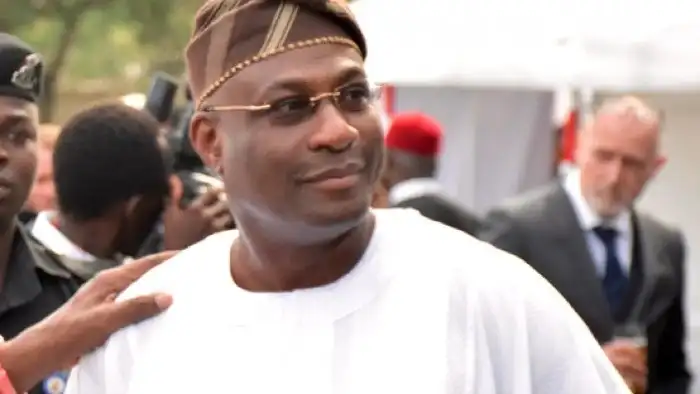
A retired Commissioner of Police, Fatai Owoseni, has argued that Nigeria’s persistent insecurity is largely a failure of leadership, trust, and local initiative rather than flaws in the country’s security structure.
Reacting to recent s in Jos, Plateau State, Owoseni stressed that the key missing link is actionable intelligence supported by community trust. While acknowledging the role of technology, he maintained that human intelligence remains critical, noting that security agencies must build confidence among citizens to encourage real time information sharing.

He criticized the tendency of state leaders to depend heavily on federal intervention, insisting that governors have both the authority and responsibility to tackle insecurity within their domains. According to him, every governor should conduct proper threat assessments and deploy available local resources rather than waiting for directives from Abuja.
Owoseni also downplayed the growing calls for state police as a singular solution, describing it as only one part of a broader strategy. He advocated a “whole of society” approach that integrates state actors, local communities, and traditional institutions in addressing security challenges.
Drawing from his experience in Lagos State and Oyo State, he cited the success of coordinated efforts involving government support, police intelligence, and community cooperation in reducing crime rates. He emphasized that similar models can be replicated nationwide if leaders are committed.
On the recurring violence in Plateau, Owoseni attributed the crisis to insincerity, poor community engagement, and the manipulation of ethnic and religious divisions by political actors. He warned against profiling crimes along ethnic or religious lines, stating that criminals should be treated as such regardless of background.
He further highlighted systemic weaknesses within the policing system, noting that the Nigeria Police Force remains under resourced, while the military has taken on roles that should ideally be temporary.
Owoseni called for stronger community participation in security, urging citizens to take proactive steps in safeguarding their environments while holding leaders accountable at all levels.
According to him, sustainable peace will only be achieved when leadership, community trust, and coordinated local action are prioritized over reliance on external solutions.



















Leave a comment