

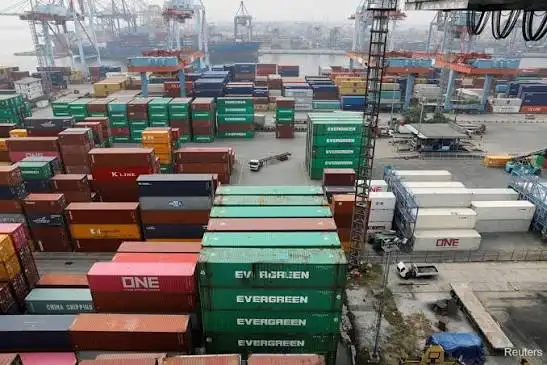
Indonesia reported a widening trade surplus for January, reflecting robust growth in exports that outpaced import demand, according to a recent Reuters poll of economists. The data indicate that the country continues to benefit from strong external demand for commodities and manufactured goods, supporting overall economic ility.
Exports in January were buoyed by increased shipments of palm oil, coal, and electronic components, which remain key contributors to Indonesia trade performance. Analysts note that global market conditions, including rising commodity prices and recovery in partner economies, have provided a favorable backdrop for export growth. Stronger shipments to major markets such as China, the United States, and the European Union have been particularly influential in widening the surplus.
Imports, while still significant, grew at a slower pace, reflecting moderated domestic demand for capital goods and raw materials. Economists said the trade balance improvement suggests resilience in Indonesia external sector, even amid concerns about global economic volatility and potential disruptions in supply chains.
The expanded trade surplus has implications for the country macroeconomic outlook. A stronger external balance can support the domestic currency, help contain inflationary pressures, and provide additional fiscal space for government spending initiatives. Authorities have emphasized the importance of maintaining export competitiveness through investment in infrastructure, diversification of trading partners, and enhancement of manufacturing capabilities.
Industry experts highlight that continued attention to value added sectors, including electronics and processed goods, will be crucial in sustaining export momentum. In addition, environmental and sustainability considerations, particularly in commodity exports, are becoming increasingly relevant as global markets demand higher standards and compliance with international regulations.
While the January figures are encouraging, analysts caution that external risks, including fluctuations in commodity prices, geopolitical tensions, and potential shifts in global demand, could influence trade outcomes in the coming months. Policymakers have indicated that proactive monitoring and strategic adjustments will remain necessary to maintain positive trends in the trade balance.
You May Like



















Leave a comment