

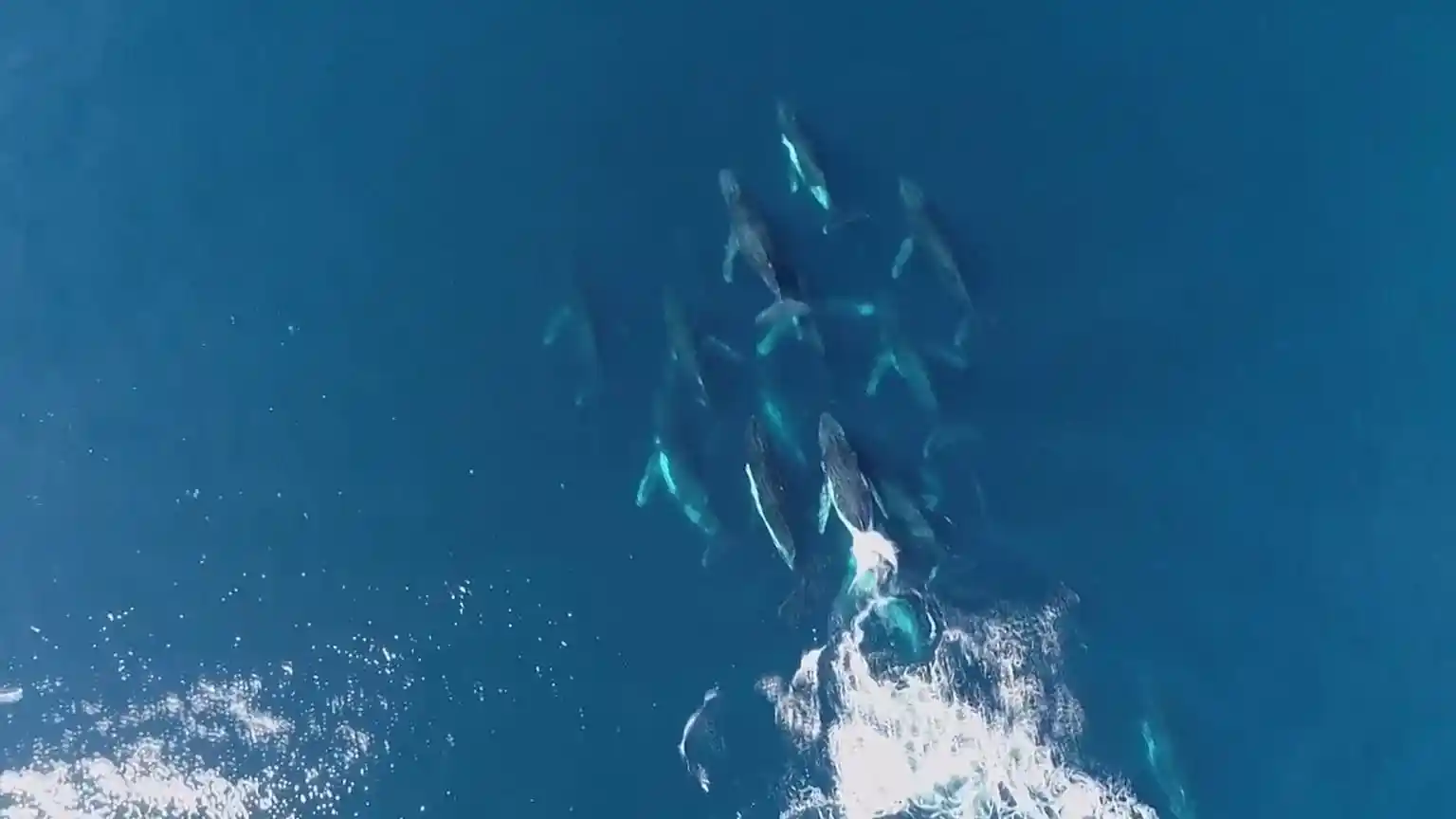
A South African couple found themselves surrounded by nearly 300 humpback whales in a breathtaking encounter that scientists say demonstrates one of marine conservation’s greatest success stories. Chris and Monique Fallows witnessed what researchers call a supergroup last December off the west coast of South Africa, with plumes of whale breath erupting across the ocean surface like a living Manhattan skyline. The massive gathering appears to be the largest humpback whale assembly ever documented, according to marine researchers who have verified the sighting.
Chris Fallows, a renowned wildlife photographer with 35 years of marine documentation experience, described the scene as extraordinary. He and his wife Monique, an author and naturalist, odically counted 299 individual humpback whales by photographing their tail flukes, which serve as unique identifiers much like human fingerprints. Each whale’s tail pattern is distinct, allowing scientists and citizen researchers to track individual animals across vast ocean distances. The couple had grown accustomed to seeing increasingly larger whale groups in recent years, but nothing had prepared them for the sheer scale of what emerged from the water that December morning.
Alex Vogel, the Africa coordinator for Happywhale, confirmed the significance of the sighting through the organization’s global whale database. Happywhale relies on photographs and observations submitted by citizen scientists worldwide, creating a comprehensive tracking system that has revolutionized whale population stus. The database verification process confirmed that the Fallows’ encounter represents the largest recorded humpback whale supergroup, marking a milestone in understanding these marine giants’ social behaviors and population dynamics.
Humpback whale numbers have rebounded dramatically in the southern hemisphere since the International Whaling Commission enacted a global hunting ban in 1986. Populations that had dwindled to fewer than 10,000 individuals during the height of commercial whaling have now recovered to healthier levels, with some estimates suggesting current populations number in the tens of thousands. The recovery represents one of conservation’s most remarkable turnaround stories, demonstrating that decisive international action combined with decades of protection can reverse even severe population declines.
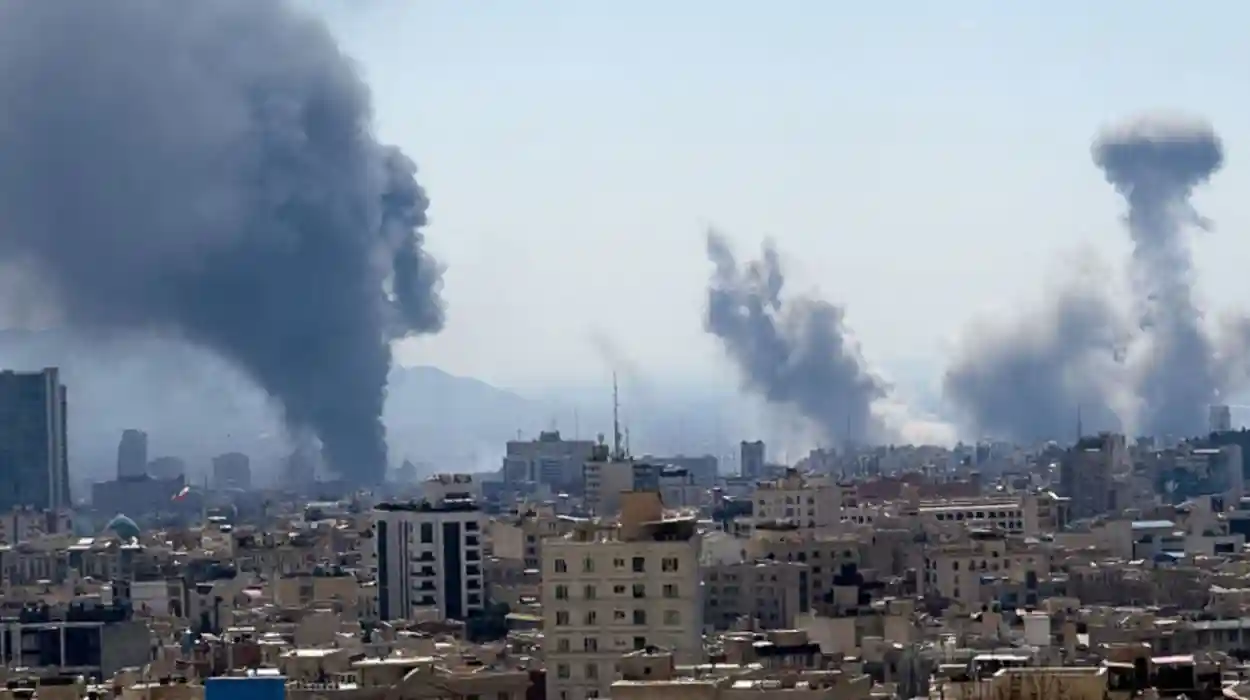
However, the ongoing conflict involving Iran poses significant dangers to whale populations that have only recently begun to recover. Military activity, increased shipping traffic, underwater explosions, and potential environmental damage from naval operations threaten critical whale migration routes and feeding grounds throughout the region. Acoustic pollution from military sonar and vessel traffic can disrupt whale communication, navigation, and feeding behaviors, potentially undoing decades of conservation progress. Marine biologists warn that sustained conflict in key ocean regions could fragment populations and create barriers to the natural movement patterns that allow whale populations to thrive.
Looking ahead, the challenge for marine conservationists will be balancing celebration of recovery milestones with vigilance against emerging threats. Supergroup sightings like the one off South Africa offer hope that protective measures work when given sufficient time and enforcement. Yet geopolitical inility, climate ce impacts on ocean temperatures and prey availability, and ongoing threats from shipping and industrial activity mean that whale populations remain vulnerable despite their impressive comeback. Whether these gentle giants can maintain their population gains through the turbulent years ahead will depend on sustained international cooperation and a commitment to protecting the ocean environments upon which they depend.
You May Like



















Leave a comment