

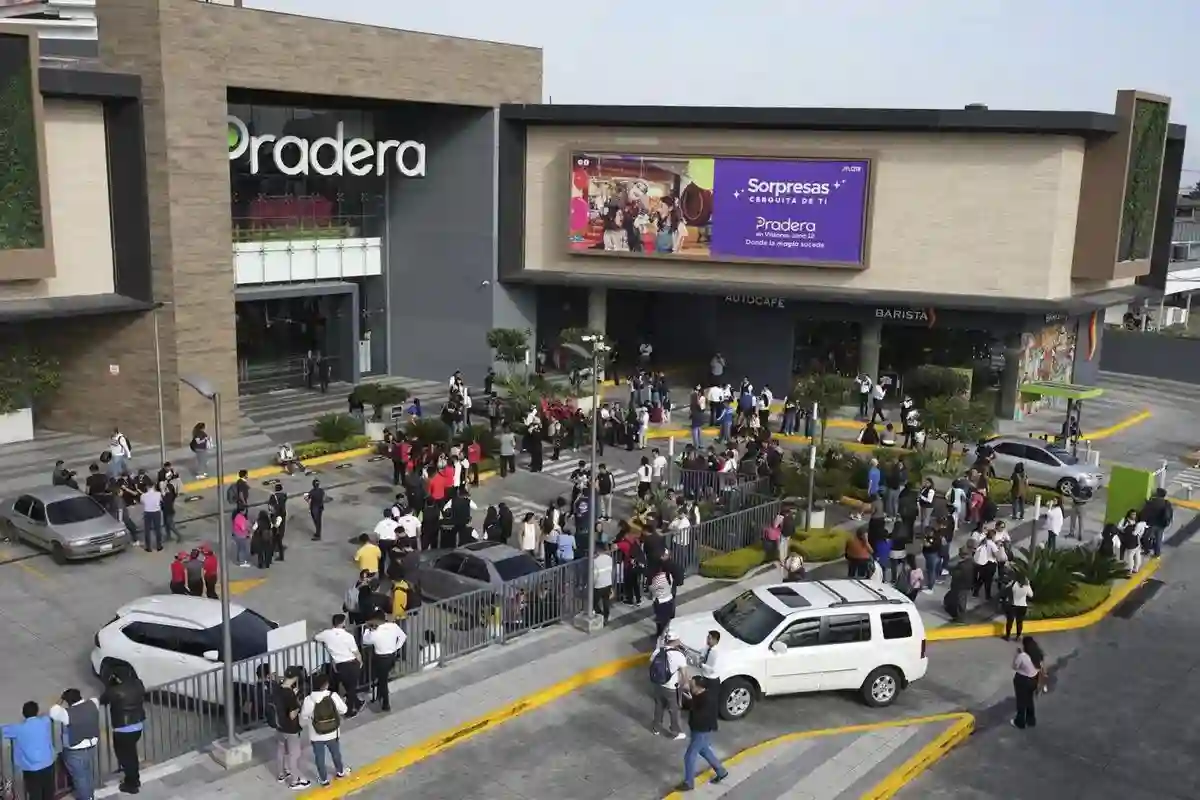
In the aftermath of a series of earthquakes that struck Guatemala on July 8, 2025, residents of Santa María de Jesús, a rural community in the Sacatepéquez department southwest of the capital, took matters into their own hands. The earthquakes, with magnitudes up to 5.7, resulted in at least 10 fatalities and over 300 injuries, causing significant structural damage across six departments of the country.
Amid the devastation, rumors emerged of individuals exploiting the chaos to loot damaged homes. In response, the community organized a search for the alleged thieves. When authorities attempted to intervene, residents blocked their efforts, leading to a tragic escalation. Overnight, five men were apprehended, beaten with sticks and stones, and subsequently burned by the mob. The incident has raised serious concerns about vigilantism and the breakdown of law and order in the region.
The lynchings occurred despite the presence of law enforcement and military personnel in the area. Police spokesman César Mateo condemned the actions, stating, “While it’s true that robbery is illegal, lynching is also a crime.” This sentiment underscores the delicate balance between community justice and the rule of law, especially in the wake of natural disasters that often strain governmental resources.
Santa María de Jesús, home to an Indigenous Mayan community, has been severely affected by the earthquakes. Approximately half of the buildings in the municipality of 27,000 residents sustained some form of damage. The community is grappling with a lack of electricity and potable water, complicating relief efforts. The government has deployed humanitarian aid, but access remains challenging due to landslides and damaged infrastructure.
The events in Santa María de Jesús highlight the broader challenges faced by Guatemala in the aftermath of the earthquakes. The government’s response has been met with criticism, particularly regarding the handling of the lynchings and the provision of aid to affected communities. As the nation continues to recover, the balance between maintaining public order and addressing the immediate needs of disaster-stricken populations remains a critical concern.
You May Like




















Can we really justify vigilante justice, even in extreme circumstances like natural disasters? Its a tough ethical dilemma.
Is lynching ever justified, even in the face of desperation? Lets discuss the ethical implications of vigilante justice in times of crisis.
This vigilante justice in Guatemala is concerning. Is mob violence ever justified, even in times of crisis? Lets discuss.
This is vigilante justice gone too far! Shouldnt we let the legal system handle accusations instead of resorting to violence?
Why resort to violence? Justice should be served through the proper channels, not by taking matters into our own hands.
This is a brutal act of vigilante justice. Is this really the answer? What about due process and the rule of law?
This is a clear case of vigilante justice gone wrong. Should we condone violence as a response to looting? Lets discuss.
This vigilante justice in Guatemala is a sign of a failed justice system or a community taking matters into their own hands? What do you think?
This is vigilante justice gone too far. Mob mentality is dangerous and doesnt solve anything. There are better ways to seek justice.
Shouldnt we focus on justice through the legal system instead of resorting to vigilante violence? Lets discuss.
Is mob justice justified when communities feel unprotected by authorities? What are the implications of this vigilante behavior? Lets discuss.
Why resort to violence? Justice should be served through the legal system, not through mob mentality. Lets break this cycle.
This is a brutal act. Vigilante justice is never the answer, no matter how desperate the situation. Lets discuss alternatives.
This is vigilante justice gone too far. Should communities take matters into their own hands, or trust the legal system? Lets discuss.