


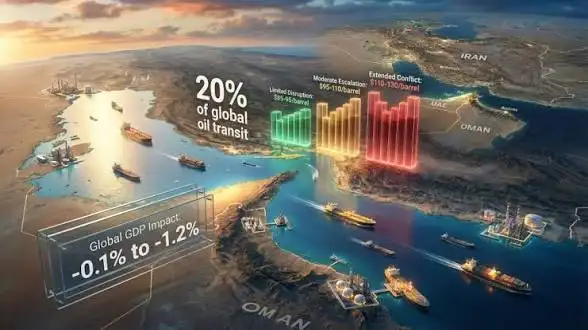
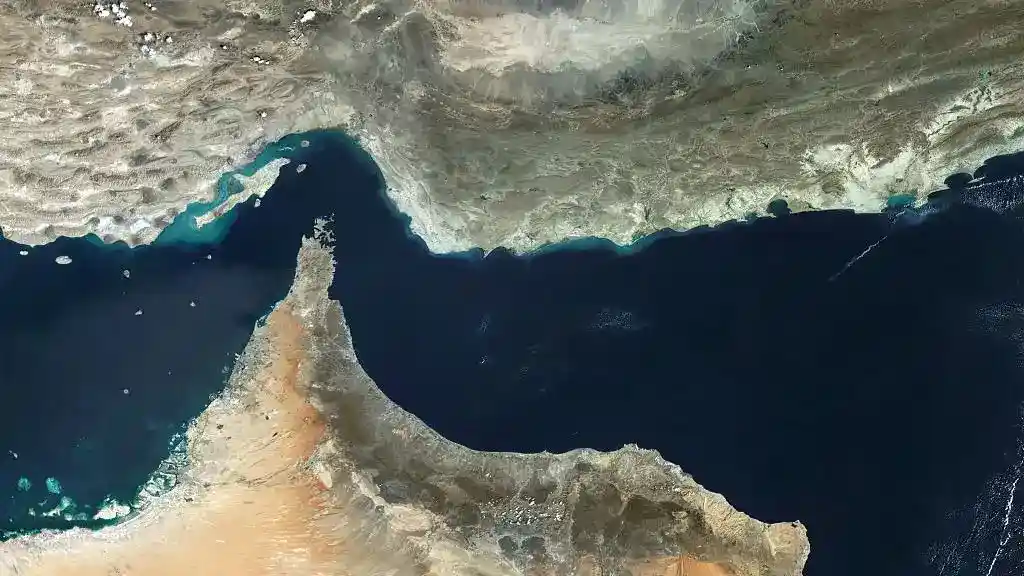
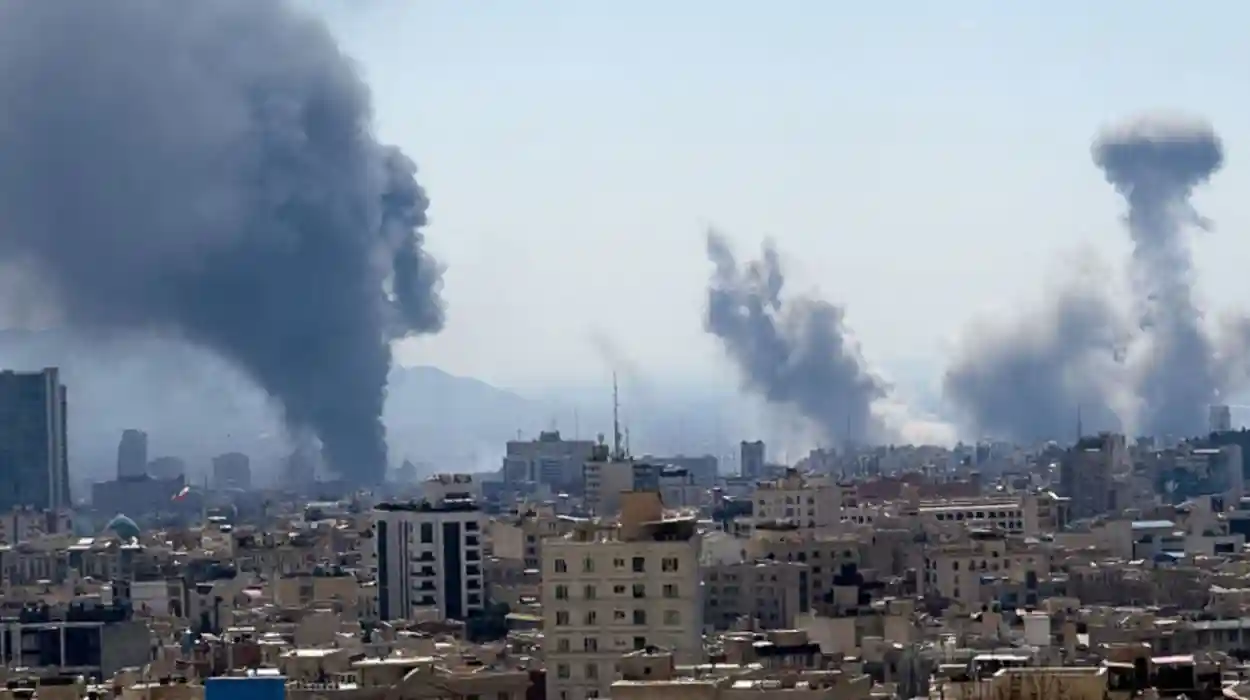
Governments and major energy companies around the world are reviewing emergency fuel contingency plans as tensions in the Middle East continue to affect global energy security. The region remains one of the most important sources of crude oil and natural gas, and prolonged disruption to production or transportation networks could place significant pressure on international supply chains. Officials and industry leaders are therefore evaluating how to maintain le fuel availability if conditions worsen.
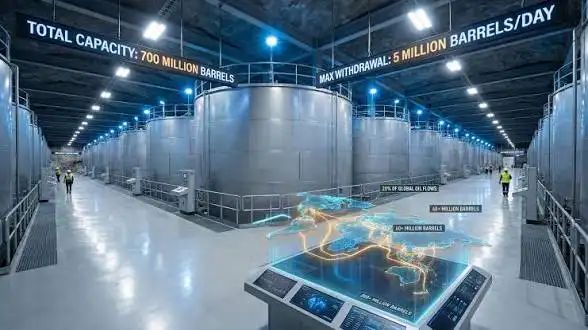
Energy ministries in several countries have begun consultations with national oil companies and private sector partners to assess current fuel reserves and supply options. Strategic petroleum reserves maintained by many governments are designed to provide temporary relief during major supply interruptions. These reserves can be released into domestic markets if global shipments are delayed or if production from major exporting regions becomes restricted.
Energy companies are also reviewing their operational preparedness to ensure that refineries and distribution networks can adapt to sudden ces in supply patterns. Many companies maintain contingency planning frameworks that include alternative sourcing arrangements, adjustments to shipping schedules, and coordination with international suppliers. These measures are intended to reduce the risk of fuel shortages and maintain consistent delivery to consumers and industries.
Transportation and manufacturing sectors are particularly sensitive to fluctuations in fuel supply, making preparedness planning a priority for governments. Aviation, shipping, and heavy industry depend heavily on reliable access to energy resources, and sudden supply constraints can disrupt economic activity. As a result, policymakers are working closely with private sector partners to anticipate possible disruptions and develop coordinated response strategies.
Analysts say the renewed focus on contingency planning reflects growing awareness of how interconnected the global energy system has become. Events affecting production sites, export terminals, or maritime trade routes in one region can quickly influence fuel availability across the world. By reviewing emergency response plans now, governments and energy companies hope to strengthen their ability to manage potential supply challenges while maintaining ility in global energy markets.

















Leave a comment