

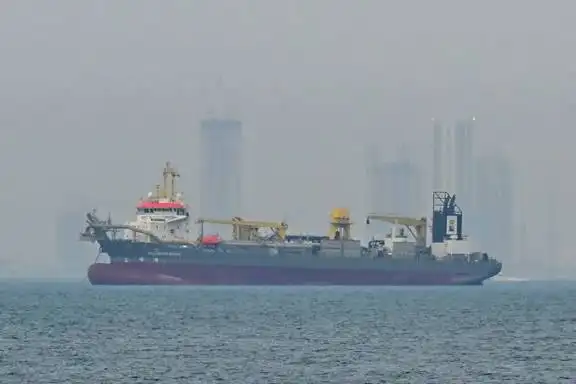
Global shipping costs for oil and gas cargoes have surged to record levels as the escalating Iran crisis disrupts vessel traffic through the Strait of Hormuz, one of the world’s most critical energy corridors. Maritime industry data shows a sharp increase in charter rates for tankers transporting crude oil and liquefied natural gas, reflecting heightened risk and operational uncertainty.
The Strait of Hormuz, which links the Persian Gulf to the Arabian Sea, handles a significant share of global energy exports each day. As military tensions intensify between Iran, Israel and the United States, shipping operators are facing increased security alerts and logistical complications. Several vessels have reported delays, route adjustments and precautionary slowdowns while transiting the area.

Insurance premiums for ships entering Gulf waters have risen dramatically in recent days. Underwriters have cited growing concerns about missile and drone activity near maritime lanes and coastal infrastructure. War risk surcharges are being added to freight contracts, further increasing transportation costs for exporters and importers alike.
Energy traders warn that the spike in shipping expenses could translate into higher fuel prices for consumers if the disruption persists. Even without direct damage to oil production facilities, bottlenecks in transportation can constrain supply and amplify price volatility. Analysts note that tight tanker availability has compounded the situation, as some shipping companies temporarily redeploy vessels to less exposed routes.
Governments in major energy importing countries are closely monitoring the developments. Strategic reserves remain an option if supply chains are severely affected, though officials emphasize that current flows have not been fully interrupted. Industry executives say the immediate challenge lies in maintaining safe passage while ensuring contractual obligations are met.
Market reactions have been swift, with energy benchmarks responding to both physical supply concerns and rising freight costs. Economists caution that prolonged inility in the Strait of Hormuz could intensify inflationary pressures globally, particularly in economies already grappling with currency weakness and elevated import bills.
Security analysts underscore that maritime routes are inherently vulnerable during periods of conflict. Even limited incidents can prompt insurers and shipping companies to reassess exposure, leading to cascading financial impacts beyond the immediate conflict zone.
As diplomatic efforts continue behind the scenes, the shipping industry remains on alert. The trajectory of freight rates will depend largely on whether tensions ease or further incidents occur near critical waterways. For now, the record high costs highlight the deep interconnection between geopolitical ility and the global energy trade.
You May Like



















Leave a comment