

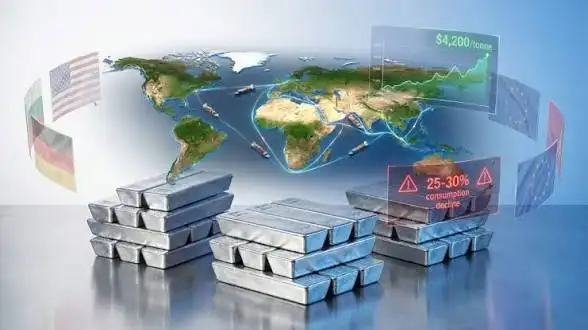
Global financial markets are undergoing notable adjustments as the ongoing Middle East conflict influences investor behavior and currency movements. Traders across major financial centers have responded to heightened uncertainty by reallocating assets and shifting positions in foreign exce markets. These ces reflect a broader effort to manage risk in an environment marked by geopolitical tension and unpredictable developments.
Currency markets have seen increased volatility, with investors moving toward assets traditionally viewed as safer during periods of uncertainty. This shift has led to fluctuations in major currency pairs, as demand patterns evolve in response to cing risk perceptions. Analysts note that such movements are typical during times of geopolitical strain, when market participants seek to protect capital and maintain liquidity.
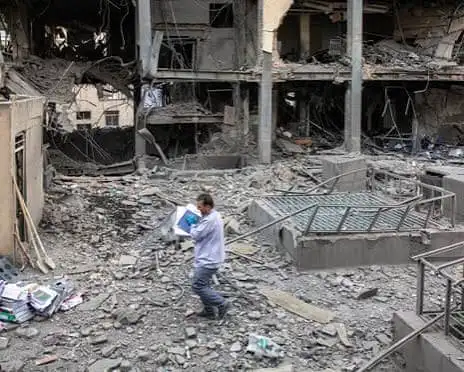
Central banks are also closely monitoring the situation, as currency inility can influence inflation, interest rates, and overall economic performance. Policymakers may need to adjust strategies to account for external shocks that impact domestic financial systems. The interconnected nature of global markets means that developments in one region can quickly ripple across economies worldwide, amplifying the effects of localized conflicts.
Equity and bond markets have similarly reacted to the cing landscape, with investors reassessing growth prospects and adjusting portfolios accordingly. Sectors linked to energy and defense have attracted increased attention, while industries sensitive to global trade have experienced more cautious sentiment. These shifts highlight the complex interplay between geopolitical events and financial decision making.
As the conflict continues, market participants are expected to remain vigilant, adapting to new information and evolving conditions. The current environment underscores the importance of flexibility and strategic planning in navigating uncertainty. While financial systems have demonstrated resilience in the face of past disruptions, ongoing developments will play a key role in shaping market direction in the near term.















Leave a comment