

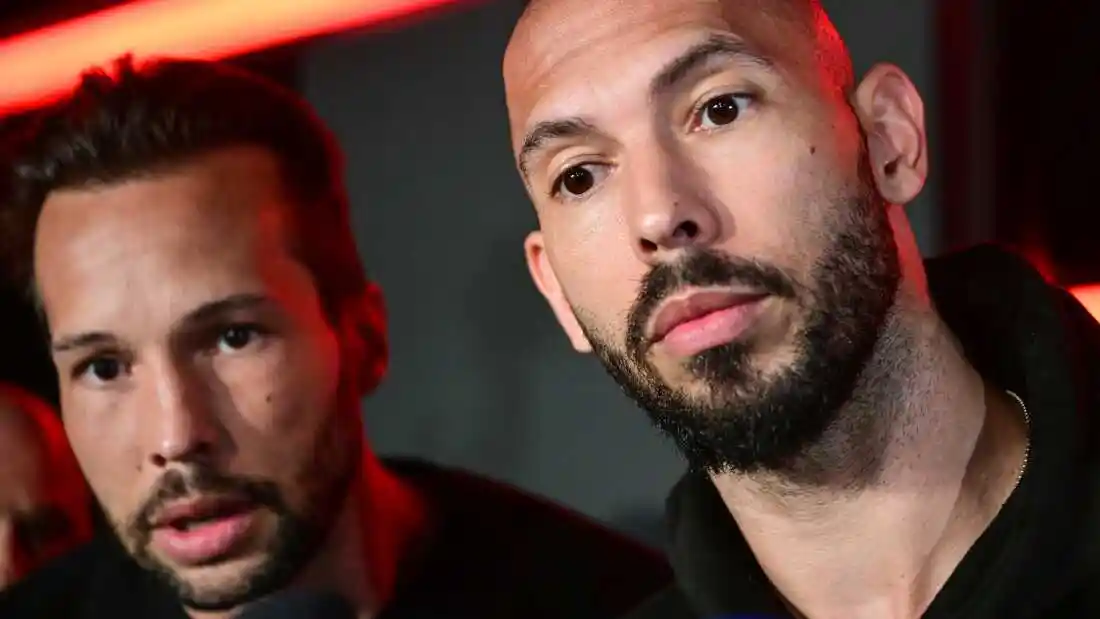
A high profile arrest in Florida has thrust an uncomfortable question into the national spotlight: should the United States automatically honor extradition requests from Britain, or does America need to reassess its longstanding cooperation with its closest ally? The detention of social media personalities Andrew and Tristan Tate has become far more than a celebrity scandal. It represents a crucial test case for how the US navigates complex international law enforcement relationships in an era of increasing skepticism about foreign legal systems.
Extradition treaties form the backbone of international criminal justice, allowing countries to hold fugitives accountable even when they flee across borders. The relationship between Washington and London has historically been characterized by deep mutual trust, with both nations generally treating each other’s legal requests as presumptively valid. Yet critics argue this automatic deference may be misplaced, particularly when defendants face accusations that might not constitute crimes under American law or when foreign prosecutions appear politically motivated. Legal scholars note that US courts typically conduct only minimal review of extradition requests from treaty partners, examining whether probable cause exists rather than scrutinizing the underlying merits of foreign charges.

Constitutional protections afforded to American citizens complicate matters further when extradition requests target US nationals or those with strong ties to America. Due process guarantees, free speech protections, and other civil liberties enshrined in American law sometimes clash with legal standards in requesting nations, even close allies like Britain. Defense attorneys increasingly argue that courts should conduct more searching reviews of whether extradition would violate fundamental American values or subject defendants to unfair proceedings abroad. These concerns gain urgency when cases involve controversial speech or conduct that, while potentially offensive, might enjoy constitutional protection on American soil.
Beyond legal technicalities, the Tate case highlights broader geopolitical considerations about sovereignty and reciprocity in international relations. Some foreign policy experts warn that overly accommodating extradition policies effectively outsource American justice to foreign governments, potentially exposing US citizens to prosecution for actions that would be perfectly legal domestically. Others counter that robust extradition cooperation remains essential for combating transnational crime, from human trafficking to financial fraud, and that any retreat from elished treaties would damage crucial law enforcement partnerships. Balancing these competing interests requires careful calibration, particularly as authoritarian governments increasingly weaponize international legal mechanisms to silence dissidents and critics abroad.
Public opinion on extradition policy tends to vary dramatically depending on the specific case and the individuals involved. High profile defendants with significant online followings can mobilize supporters to pressure political officials, transforming what might otherwise be routine legal proceedings into contentious public debates. Social media campaigns portraying defendants as victims of foreign persecution can complicate diplomatic relationships and force policymakers to weigh legal obligations against domestic political considerations. Whether such populist pressure should influence extradition decisions remains hotly contested, with some arguing it reflects legitimate democratic input while others warn it undermines rule of law principles.
Moving forward, Congress may face mounting pressure to revisit extradition treaties and impose stricter standards for honoring foreign arrest warrants, particularly those targeting American residents. Proposed reforms could include heightened judicial review, explicit protections for constitutional rights, and reciprocity requirements ensuring that partner nations afford American defendants comparable legal safeguards. Whatever happens in the Tate case specifically, it has already succeeded in forcing a long overdue national conversation about whether decades old extradition arrangements still serve American interests in a rapidly cing world. How courts and lawmakers respond will shape international law enforcement cooperation for years to come, with implications extending far beyond any single prosecution.


















Leave a comment