

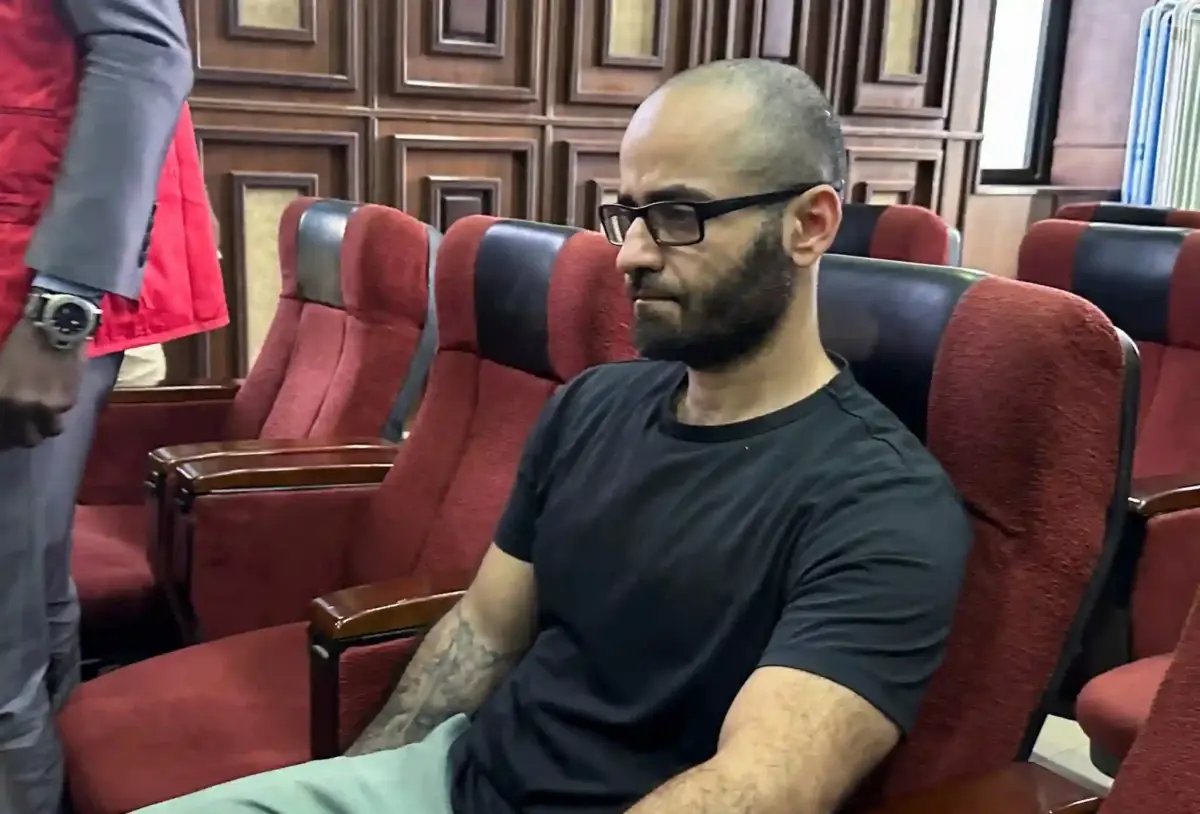
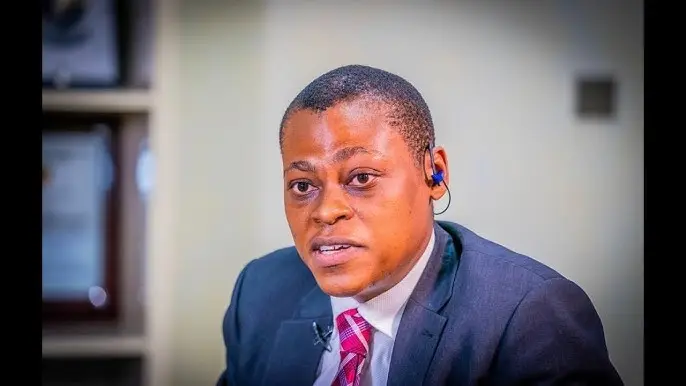
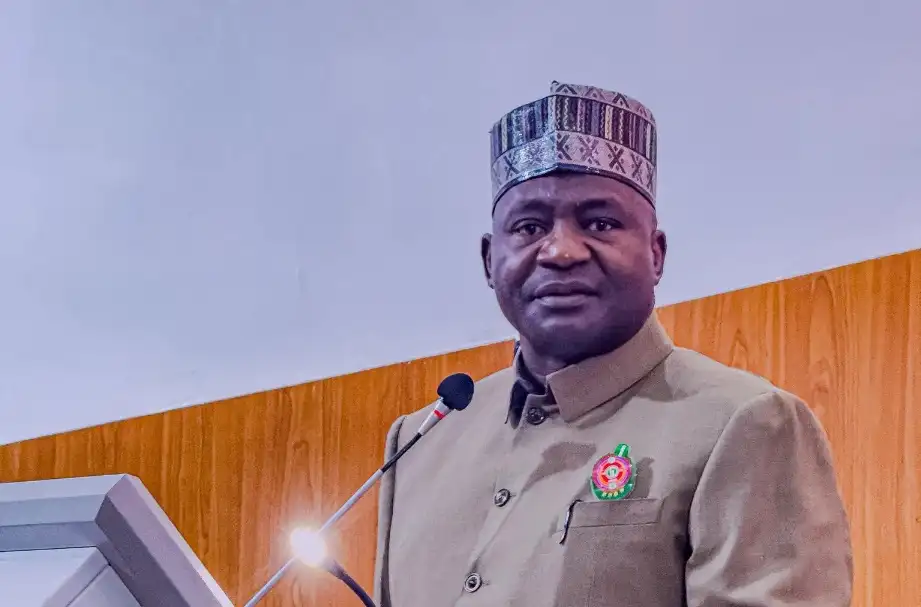
The ongoing investigation by the Economic and Financial Crimes Commission into the Director General of the Energy Commission of Nigeria, Mustapha Abdullahi, has triggered fresh political tension within the ruling All Progressives Congress over alleged financial arrangements linked to the 2027 elections.
What initially appeared to be a routine corruption investigation involving alleged movements of between N500 billion and N701 billion has now evolved into a sensitive controversy touching on campaign financing, internal party trust and power alignments ahead of the next presidential election.
The issue gained public attention after reports alleged that over N800 billion may have been mobilised through structures associated with the Renewed Hope political movement linked to President Bola Ahmed Tinubu. According to the claims, governors elected on the APC platform allegedly contributed funds derived from Federation Account allocations to support future political mobilisation.
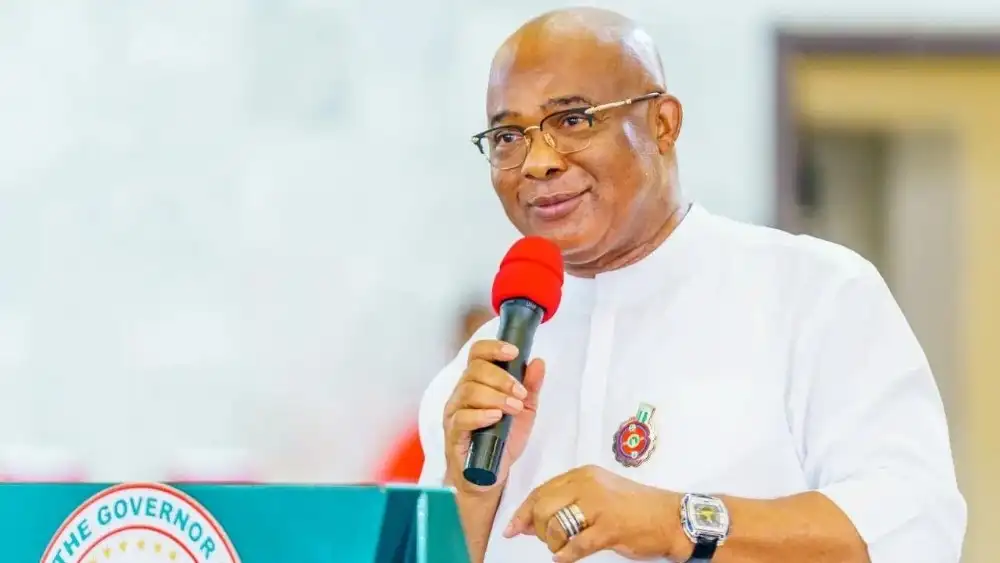
The allegations have also drawn attention to the Progressive Governors Forum chaired by Imo State Governor Hope Uzodimma. Although no formal charges have been filed against the forum itself, reports of disagreements among governors over the management and accountability of the alleged funds have generated anxiety within the ruling party.
Sources familiar with the investigation disclosed that the EFCC is tracing financial transactions to determine how the funds moved, who authorised the transfers and whether public resources were diverted into partisan activities.
Within APC circles, the controversy is reportedly creating fears of deeper internal divisions as political calculations ahead of 2027 continue to intensify. Some party insiders insist the contributions were voluntary political support efforts and not criminal acts, while critics argue that the use of public derived funds for political mobilisation raises serious constitutional and ethical concerns.
The controversy has also reignited public debate over transparency in campaign financing and governance, especially at a time when many Nigerians continue to face economic hardship following subsidy removal and rising inflation.
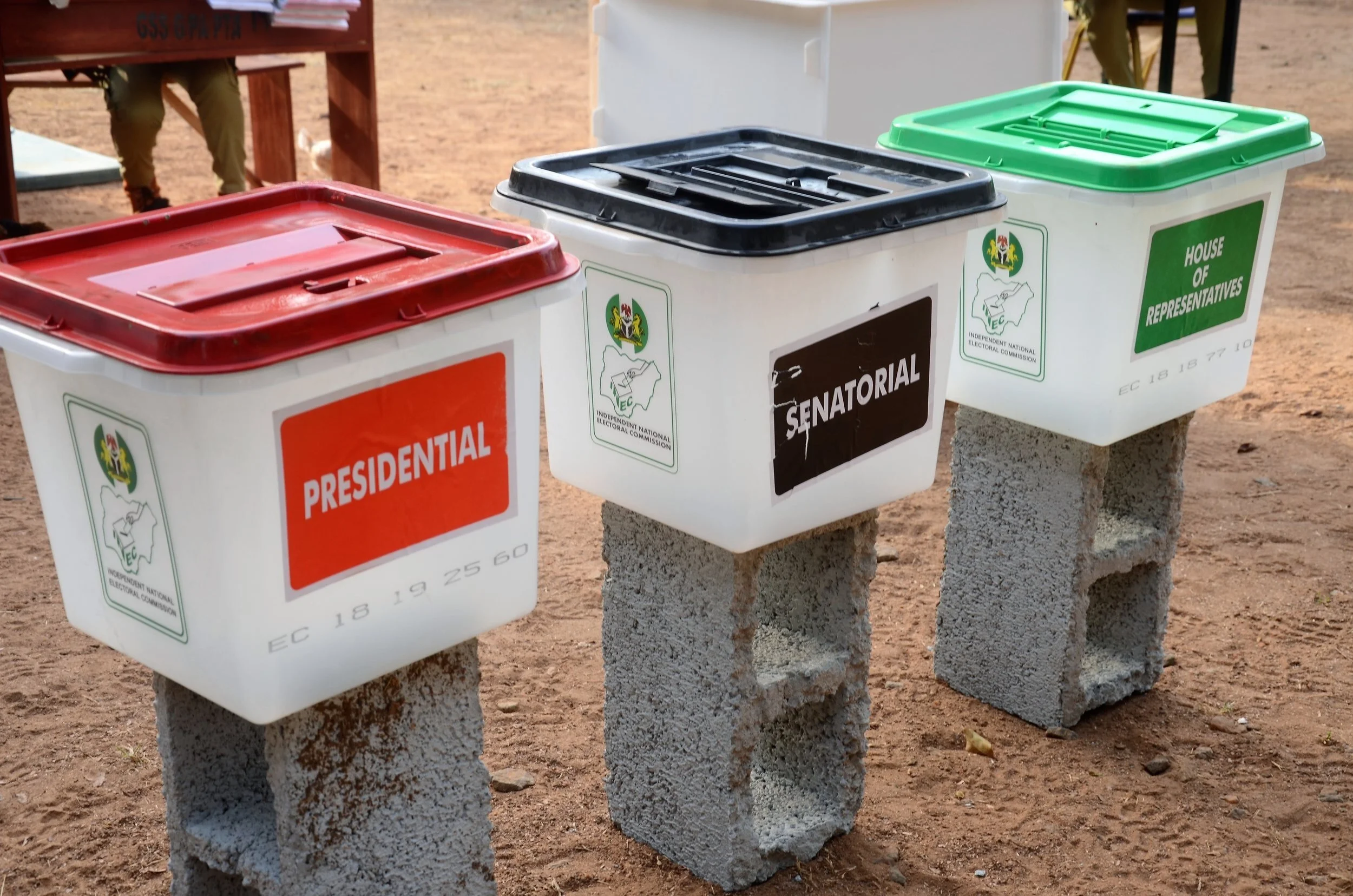
Political observers believe the investigation may become one of the defining accountability battles ahead of the 2027 elections as questions continue to grow over how political power is financed in Nigeria.









Leave a comment