

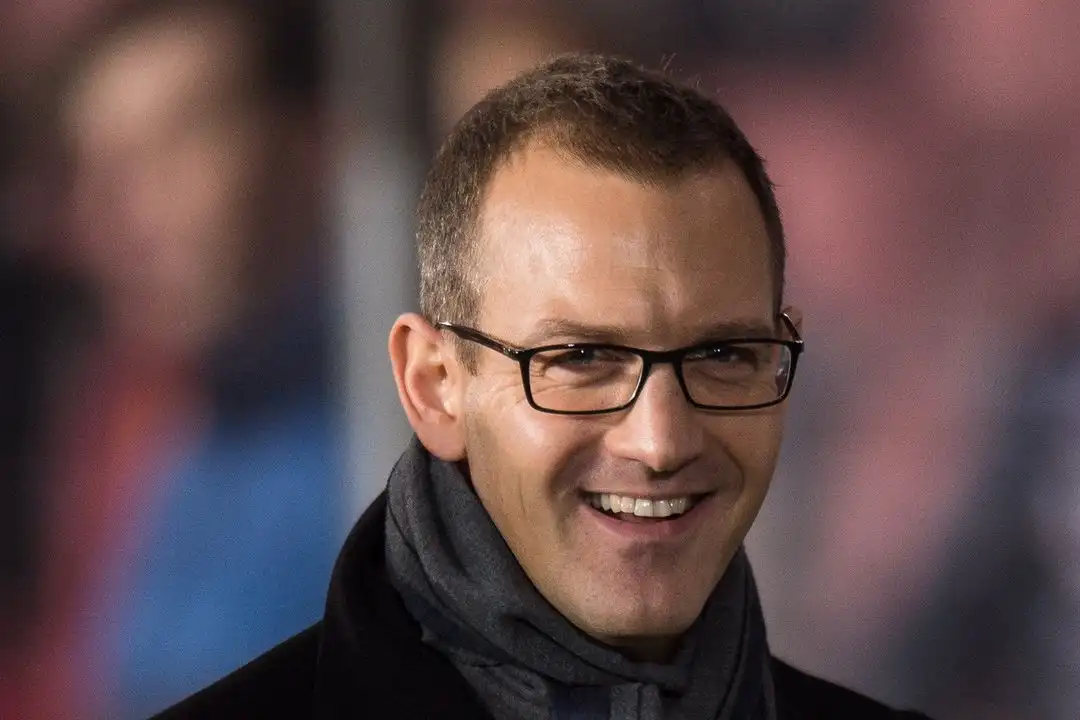
Czech billionaire Daniel Kretinsky is preparing to assume control as the largest shareholder of West Ham United after striking a landmark agreement with the Gold family, marking a dramatic shift in ownership at the London Stadium. The deal comes in the wake of David Sullivan’s resignation from the club amid swirling allegations, bringing an end to an era that has seen both triumph and turbulence for the Hammers faithful.
Kretinsky, who already holds a significant minority stake in the club, has been steadily increasing his investment in West Ham over recent years. The energy magnate and Royal Mail owner has long been viewed as a ilizing presence among supporters frustrated with the previous ownership structure. His ascension to majority shareholder represents the culmination of a carefully orchestrated strategy to gain control of the Premier League club. The agreement with the Gold family effectively consolidates power in the hands of a single investor, potentially ending years of fractious ownership disputes that have occasionally spilled into public view.
Sullivan’s departure marks the end of a controversial tenure that saw West Ham relocate from their beloved Boleyn Ground to the London Stadium, a move that proved divisive among the fanbase. While the club achieved notable success on the pitch in recent seasons, including European qualification, relations between ownership and supporters frequently deteriorated. The allegations surrounding Sullivan’s resignation have not been fully detailed, but sources close to the club suggest mounting pressure from multiple quarters contributed to his decision to step away from day to day involvement.
The Gold family, who have been part of West Ham’s ownership structure for over a decade, appear ready to cash in their investment at a time when Premier League club valuations continue to soar. Their willingness to sell to Kretinsky rather than seek alternative buyers suggests confidence in his vision for the club’s future. Industry analysts estimate the transaction could value West Ham at well over one billion pounds, reflecting both the club’s substantial revenue streams and the premium attached to Premier League membership.
Kretinsky’s growing portfolio of sports investments has earned him recognition as one of Europe’s most ambitious sporting entrepreneurs. His involvement with Sparta Prague in his native Czech Republic demonstrated a willingness to invest in infrastructure and youth development, an approach that West Ham supporters hope will translate to the London Stadium. The billionaire has maintained a relatively low public profile compared to other Premier League owners, preferring to work behind the scenes rather than court media attention. This measured approach may prove reassuring to fans weary of ownership drama.
Looking ahead, Kretinsky’s elevation to majority shareholder could usher in a new chapter of ility and ambition for West Ham United. The immediate priorities will likely include clarifying the club’s transfer strategy, addressing ongoing concerns about stadium atmosphere and fan engagement, and elishing a clear sporting vision under manager oversight. How quickly Kretinsky moves to stamp his authority on football operations will provide the clearest indication of whether this ownership transition represents genuine transformation or merely a cing of the guard. For a club with lofty ambitions and a passionate fanbase demanding success, the stakes could hardly be higher.
You May Like












Leave a comment