


Management of the Dangote Refinery has attributed the persistent high cost of petrol in Nigeria to global market forces, despite the country’s growing domestic refining capacity.
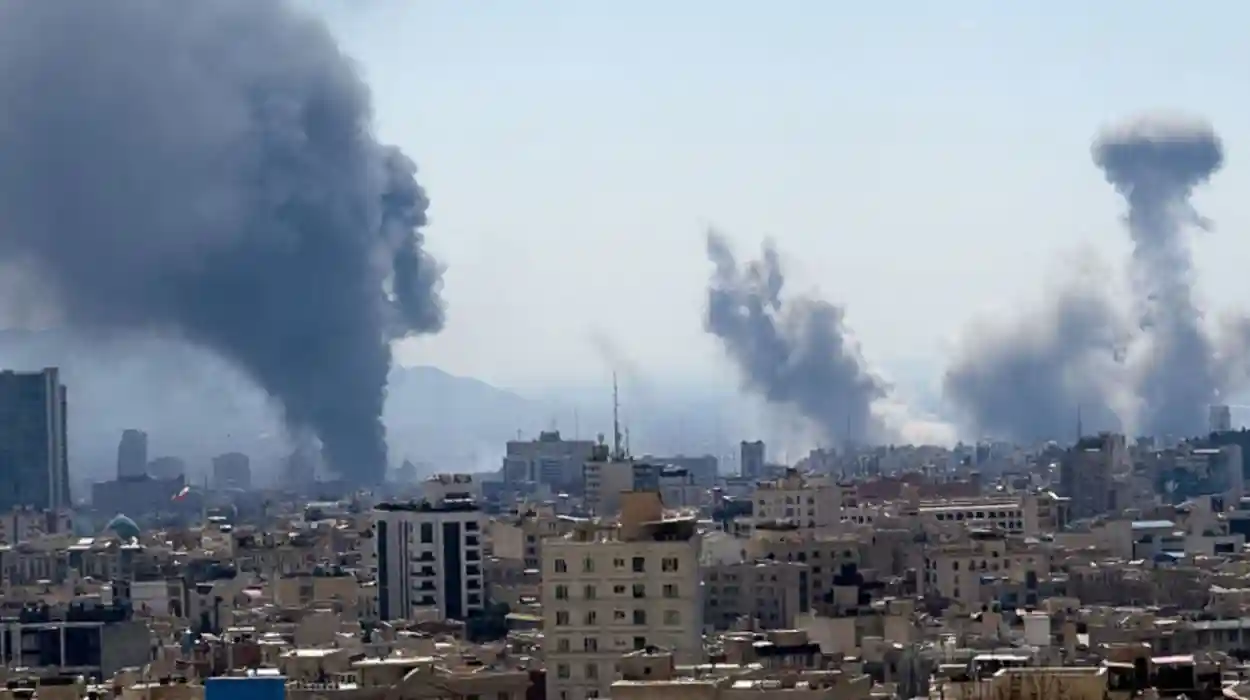
Speaking in an interview, the refinery’s Managing Director, David Bird, explained that fuel pricing remains heavily influenced by international crude oil dynamics and geopolitical tensions, particularly in the Middle East.

According to him, the refinery operates without subsis and is fully exposed to fluctuations in global markets. He noted that key cost components such as crude oil prices, freight charges, and insurance are all affected by external factors beyond local control.
A recent market survey showed that petrol prices across Nigeria remain high, averaging about 1300 naira per litre. This follows a nearly 20 percent increase last week, triggered by rising global crude oil prices. However, the recent dip in crude prices has yet to reflect in pump prices, raising concerns among consumers.
Bird described the situation as part of a wider cost of living crisis, stressing that energy costs impact every sector of the economy. He warned that even if global conflicts were resolved immediately, disruptions in supply chains could persist for months.
He also called on the government to adopt a more comprehensive approach to addressing the cost structure within the petroleum sector. This includes examining regulatory pressures and improving the overall ease of doing business in Nigeria.
In addition, Bird raised concerns about the crude allocation system, stating that the refinery often does not receive sufficient volumes or preferred grades of Nigerian crude. As a result, the company is forced to source crude from the international market at higher costs.
He revealed that the refinery pays significant premiums for Nigerian crude abroad, sometimes exceeding 18 dollars per barrel, alongside high freight and insurance costs. This, he said, undermines the expected benefits of local refining.
The situation highlights the complex interplay between domestic production and global oil market realities, suggesting that local refining alone may not immediately translate into lower fuel prices.





















Leave a comment