

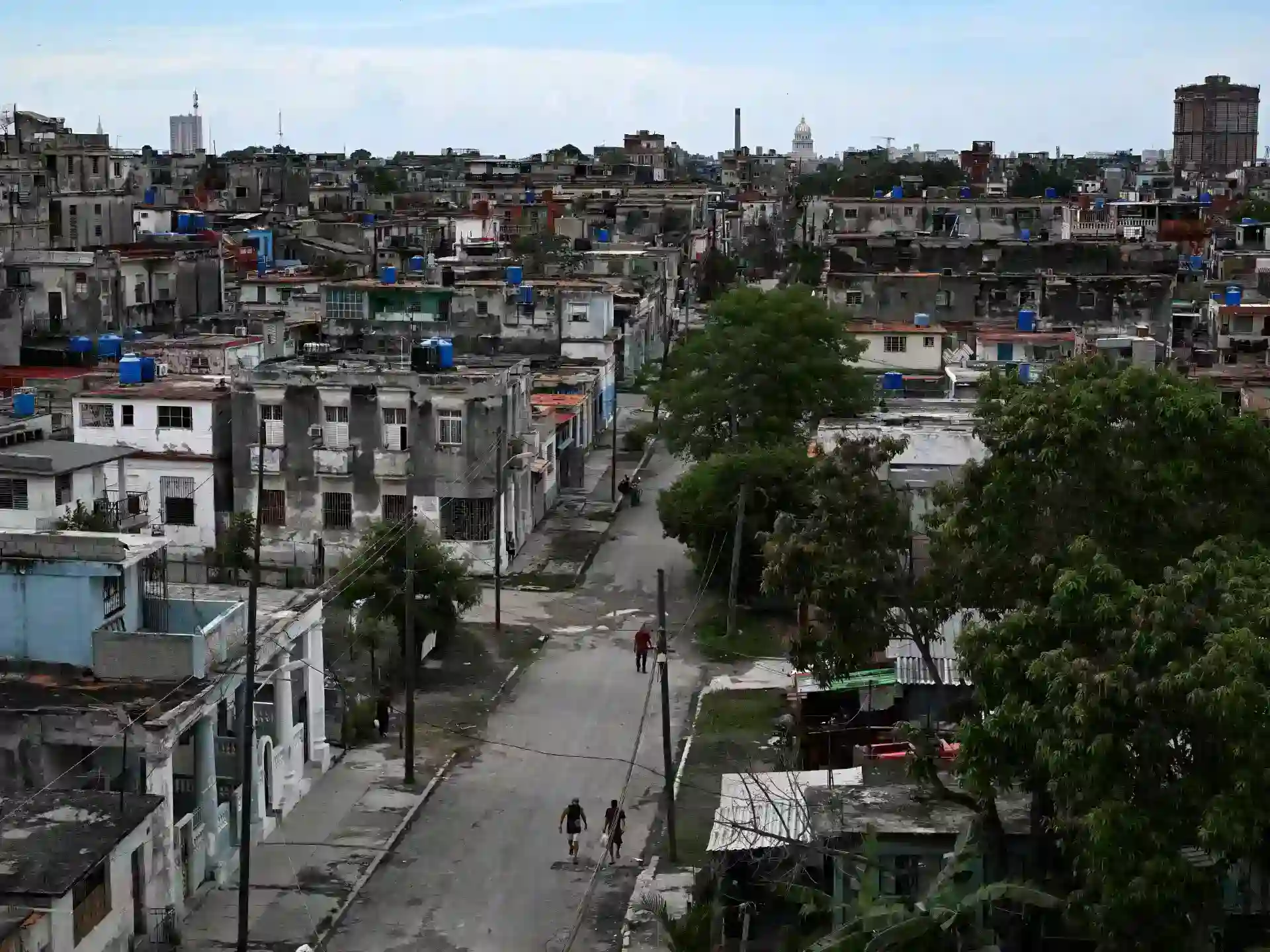
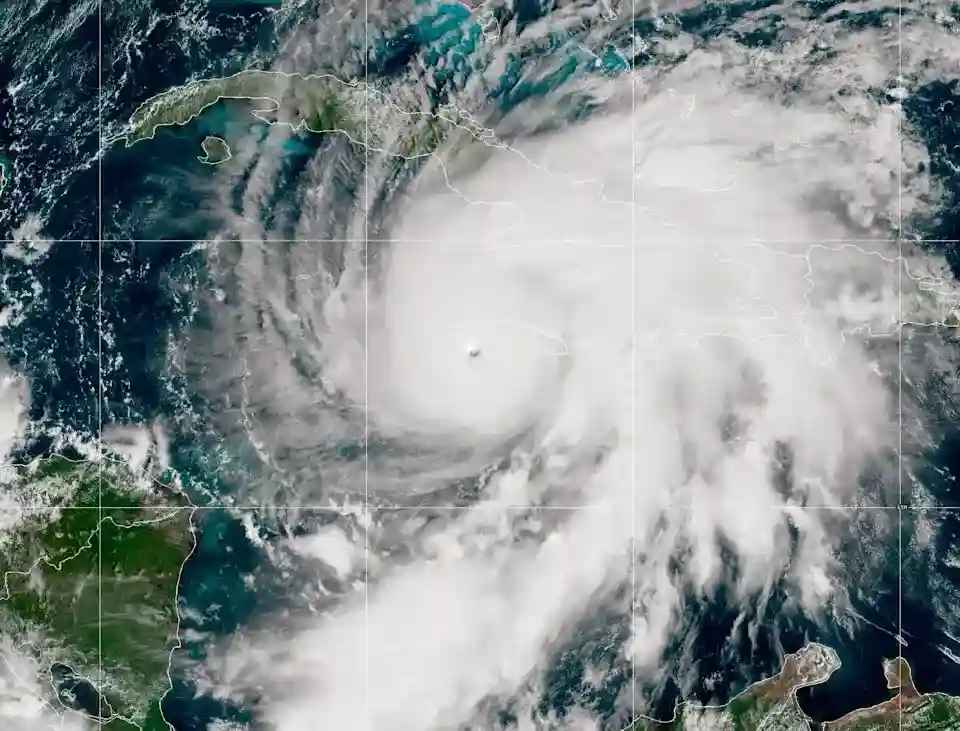
Cuba descended into darkness late Friday as the island suffered its second nationwide blackout within days, a stark indication that the Caribbean nation’s economic crisis has reached a critical stage. Power grids across the country failed simultaneously, leaving millions without electricity and exposing the fragility of infrastructure that has deteriorated after decades of underinvestment. The recurring outages represent more than inconvenience. They signal the unraveling of basic state capacity in a country already struggling with shortages of food, medicine, and fuel.
Government officials in Havana have pointed to US financial sanctions and what they term aggressive diplomatic pressure as primary causes of the economic deterioration. Yet analysts note that the crisis has deeper roots in systemic problems that predate the current sanctions regime. Chronic mismanagement, lack of market mechanisms, and insufficient modernization of essential services have compounded over decades. The electrical grid, in particular, has suffered from postponed maintenance and inability to secure investment for necessary upgrades, creating a cascading series of failures that leave the population vulnerable to extended outages.
The timing of the latest blackout coincides with increased scrutiny of Cuban state operations from Washington. Four US lawmakers have called on the Trump administration to impose sanctions on Cuba’s overseas medical services program, arguing that the initiative exploits healthcare workers while funneling revenue to the government. These medical missions, long touted as a humanitarian achievement, have come under fire as critics describe them as a form of labor exploitation that props up state finances while workers receive only a fraction of the payments made by host countries.
Adding to the pressure, federal authorities have been investigating networks allegedly connected to Cuban intelligence operations with ties to organizations operating within the United States. Recent actions have targeted what officials describe as influence operations designed to advance Cuban interests through partnerships with sympathetic groups. Several prominent Democrats have joined calls for investigations into these connections, marking a rare bipartisan moment of concern over foreign influence activities. The probes have expanded to include examination of funding sources and coordination between international advocacy networks and domestic political organizations.
Just before the first nationwide outage earlier this week, Raúl Guillermo Rodríguez Castro, grandson of former Cuban leader Raúl Castro, indicated in public statements that he would be willing to enter negotiations with President Trump. The overture suggests that mounting pressures, both internal and external, may be forcing recalculation within elements of the Cuban leadership. Economic conditions have deteriorated to the point where even families with access to foreign currency struggle to obtain basic necessities, and public frustration has manifested in rare demonstrations over the past year.
Looking ahead, the convergence of infrastructure collapse, economic stagnation, and diplomatic isolation suggests Cuba may be approaching a turning point. Whether the government will pursue meaningful market reforms or attempt to weather the crisis through traditional ods of control remains uncertain. What appears clear is that the current trajectory is unsustainable. As blackouts become routine and shortages intensify, the pressure for systemic ce grows stronger, though the path forward remains fraught with political complexity and resistance from entrenched interests unwilling to cede control over the economy.












Leave a comment